



More Than Just a Different Picture
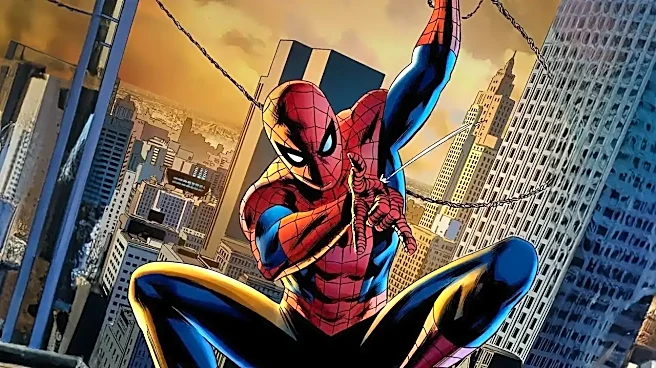
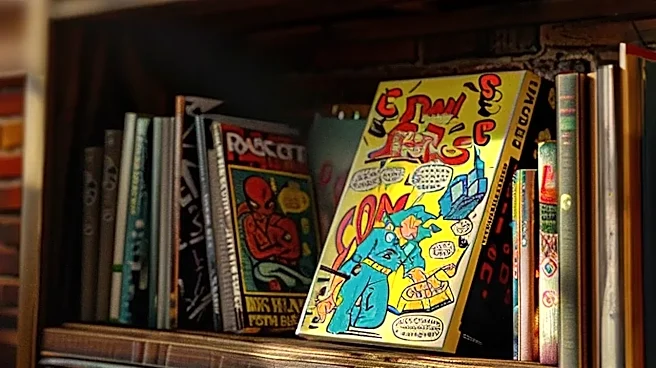
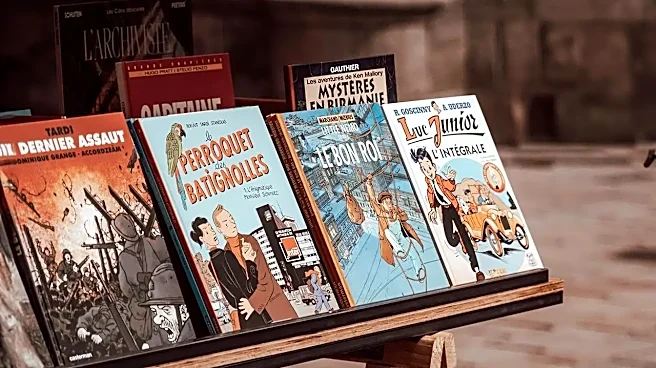
At its core, a convention-exclusive cover is a limited-edition version of a standard comic. The story inside is identical, but the cover art is unique and available only at that specific event. Think of it like a limited-run sneaker drop, but for comic books.
These aren't just random pretty pictures; they are strategic assets. Publishers like Marvel and DC, smaller independent creators, and even retailers commission these special covers. Low print runs, sometimes limited to just a few hundred copies, create immediate scarcity. This manufactured rarity transforms a $5 comic into a coveted artifact that can ignite collector interest and drive significant buzz. The goal isn't just to sell a comic; it's to create an event within the event, turning a simple purchase into a memorable part of the convention experience.
The Publisher and Retailer Playbook
For major publishers, the cost of exhibiting at a massive show like NYCC can be astronomical. Selling exclusives helps offset those significant expenses for booth space, travel, and staffing. More importantly, it's a powerful marketing tool. An exclusive cover can generate hype for a new series, celebrate a milestone issue, or simply draw a massive crowd to a publisher's booth. The buzz created by a hot exclusive extends far beyond the convention floor, dominating social media and collector forums. Retailers also get in on the action, commissioning their own exclusives to sell directly. This provides them with a unique product that can’t be found anywhere else, driving both in-person and online traffic and creating a direct, high-margin revenue stream.
A Win for Artists and the Convention
The exclusive cover ecosystem is also a significant boon for the artists who create them. A popular artist can command substantial fees for their work on a limited-edition cover and often receives a cut of the sales. For many artists setting up in Artist Alley, selling their own exclusive prints and comics is what makes attending the convention financially viable. It provides a reliable source of income and a powerful platform for exposure. For the convention organizers themselves, exclusives are a core part of the appeal. The hunt for these rare items is a major draw that helps sell tickets and keeps attendees on the show floor, shopping from the hundreds of exhibitors. The promise of scoring an exclusive is part of what makes NYCC a 'can't-miss' event in the pop culture calendar.
Fueling the Aftermarket Frenzy
The life of an exclusive cover doesn't end when the convention doors close. In fact, for many, that's just the beginning. The secondary market on platforms like eBay is where the true speculative value is often realized. It's not uncommon for a comic bought for $30 or $40 at the show to be listed for hundreds of dollars just hours later. While publishers and artists don't directly profit from these aftermarket sales, the persistent online chatter and high resale values serve as powerful, free advertising. This 'FOMO' (fear of missing out) culture motivates fans to prioritize buying exclusives at future shows, reinforcing the entire cycle. The aftermarket frenzy confirms the item's status as a collectible, validating the initial hype and ensuring the model remains profitable for years to come.