

The Science of Grip and Stretch
Before diving into specific hems, it’s helpful to understand what creates that 'grippy' quality. It all comes down to stitch structure. A knitted fabric’s elasticity is determined by how the yarn travels. Alternating between knit and purl stitches within
the same row or creating columns of them forces the fabric to pull inward, creating a natural elasticity. Ribbing is the most common example of this. In contrast, stitches that are all uniform, like garter stitch or stockinette, have different properties. Garter stitch (knitting every row) creates a stable, non-curling fabric with moderate stretch, while stockinette (knitting one side, purling the other) has a natural tendency to curl at the edges. The 'grip' of a hem is a direct result of leveraging these structural tendencies.
The Classic Grip: Ribbing
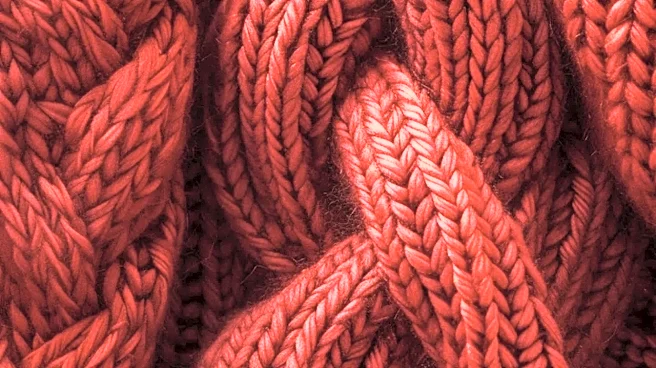
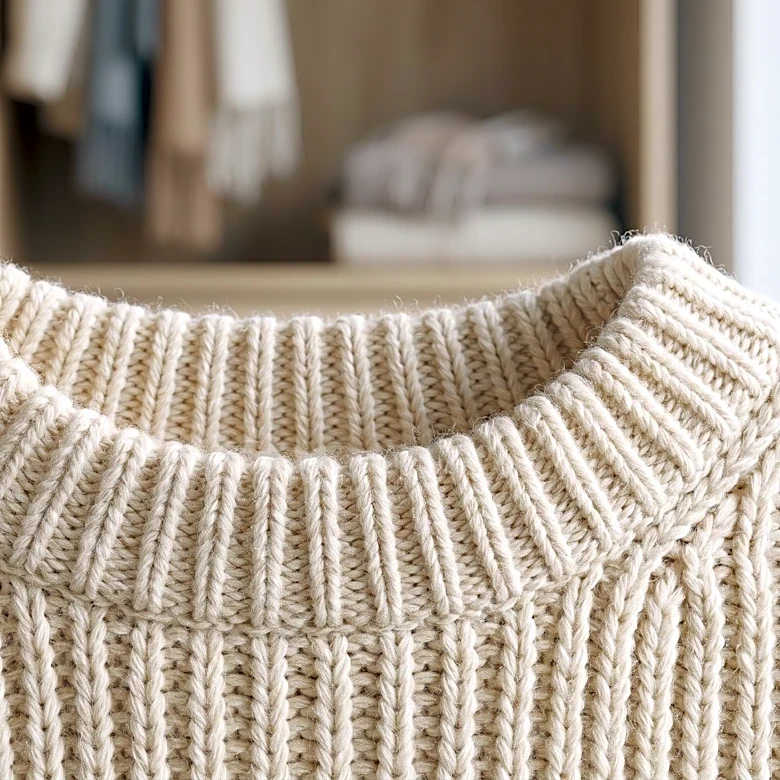
When you think of a classic sweater cuff or beanie brim, you’re thinking of ribbing. Created by alternating columns of knit and purl stitches, ribbing is the go-to for a snug, stretchy finish. The most common types are 1x1 rib (one knit stitch, one purl stitch) and 2x2 rib (two knit stitches, two purl stitches). The purl stitches recede while the knit stitches pop forward, causing the fabric to contract laterally like an accordion. This pull is what creates that form-fitting grip, making it ideal for cuffs, waistbands, and necklines that need to stay put and keep their shape after being stretched over a head or hand. Generally, 1x1 ribbing is even more elastic than 2x2 ribbing because the knit-purl transitions happen more frequently.
The Stable Edge: Garter and Seed Stitch
Sometimes you don’t want grip. For the bottom of a boxy sweater, a scarf, or a blanket, you need a hem that lies flat and prevents curling without cinching the fabric. This is where garter stitch and seed stitch shine. Garter stitch, made by knitting every row, creates a bumpy, reversible fabric that is balanced and won't roll. It provides weight and a clean, simple edge. Seed stitch, which alternates single knit and purl stitches across rows, creates a similar non-curling, textured fabric. Both of these options provide stability and a beautiful finish but offer very little inward 'grip' compared to ribbing, making them perfect for garments intended to have a straight, relaxed drape.
The Polished Finish: The Folded Hem
For a truly professional and clean look, many knitters turn to the folded hem. This technique involves knitting a double-layer of fabric at the edge, which is then folded to the inside and sewn down. The result is a smooth, rounded, and substantial edge that has excellent stability and prevents rolling without any inherent grip. Because the edge is composed of two layers, it adds weight, which helps the garment hang beautifully. While it requires a bit more yarn and finishing work, a folded hem is unmatched for creating an elegant, high-end finish on sleeves, collars, and the bottom of fine sweaters and cardigans.
The Unpredictable One: The Rolled Edge
Finally, there's the hem that happens by nature: the stockinette roll. A piece of fabric made purely of stockinette stitch has a structural tendency to curl toward the knit side at the top and bottom edges. This is due to the physical difference in shape between a knit stitch and a purl stitch. While this curling can be a frustration for beginners, it can also be used as a deliberate design feature, creating a casual, minimalist rolled hem or cuff. It offers zero grip and very little structure, serving as a simple, no-fuss edge. However, if a flat finish is desired, this natural roll must be counteracted with one of the other hem types mentioned above.