




Why Your Eyeshadow Disappears
The primary culprit behind disappearing eyeshadow is the natural oil on your eyelids. Throughout the day, these oils can mix with your makeup, causing it to break down, settle into fine lines, and lose its vibrancy. This is why a color that looks intense
in the palette can appear disappointingly sheer or patchy on the eye. Without a proper base, the delicate skin of the eyelid doesn't provide the right surface for powder or cream shadows to adhere to, leading to smudging and fading that can undermine your entire look. Even factors like blinking and weather can contribute to the breakdown of your eye makeup.
The Pro Secret: Eyeshadow Primer
The single most important step that separates amateur results from a professional finish is using an eyeshadow primer. Often mistaken as an unnecessary extra, makeup artists consider it an essential tool. Unlike a face primer, an eye primer is specifically formulated to work on the thin, delicate skin of the eyelids. It creates a slightly tacky, uniform surface that grips onto makeup, ensuring it stays put for hours. Think of it as double-sided tape for your eyeshadow: it holds onto your skin and holds onto the pigment, preventing movement.
The Triple-Threat Benefits of Primer
A quality eyeshadow primer does more than just extend wear time. First, it creates a smooth, even canvas. This helps eyeshadows glide on and blend more easily, preventing the patchy application that can happen on bare lids. Second, it intensifies color. By neutralizing any discoloration or veins on your eyelid and providing a consistent base, primers make eyeshadow shades appear truer to how they look in the pan. Finally, it prevents creasing by absorbing excess oil and creating a barrier between your skin and the makeup.
How to Apply Primer for Flawless Results
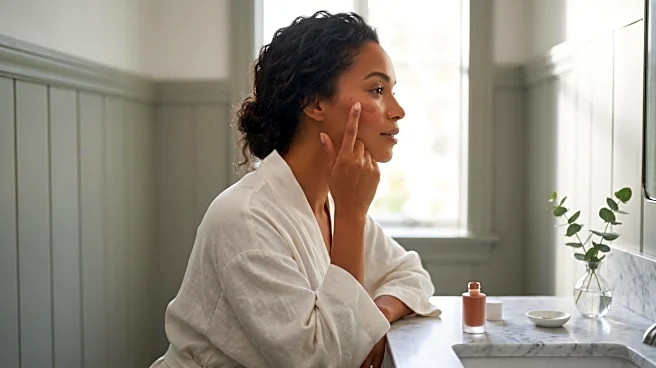
Application is simple but key. You only need a very small, pea-sized amount. Using your ring finger or a flat concealer brush, gently pat the primer onto your entire eyelid, from the lash line up to the brow bone. Avoid rubbing, as patting ensures a smooth, even layer. If you plan on applying shadow to your lower lash line, add a small amount there as well. Let the primer set for at least 30 seconds to a minute before applying eyeshadow; it should feel slightly tacky, not wet. This waiting period is crucial for allowing the primer to properly grip the shadow. Some makeup artists also recommend lightly dusting a translucent powder over the set primer to make blending even more seamless.
What If You Don't Have a Primer?
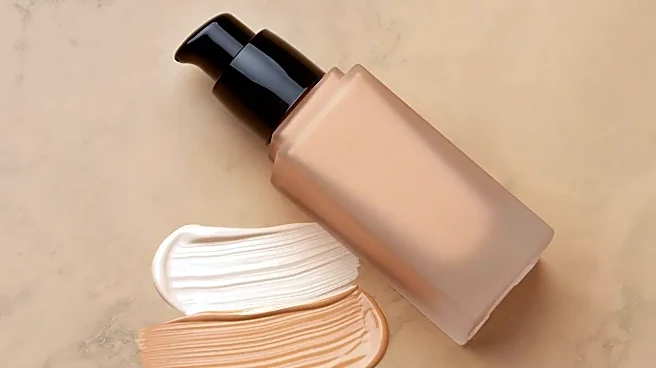
In a pinch, a matte concealer can serve as an alternative to a dedicated eyeshadow primer. Choose a formula that isn't too creamy or oily, apply a thin layer, and blend it out just as you would a primer. Setting it with a translucent powder is especially important when using concealer to prevent it from creasing on its own. While this is a great trick, a dedicated eyeshadow primer is specifically designed with gripping agents that offer superior longevity and oil control, making it a worthwhile investment for anyone serious about their makeup.