








A New Golden Age for Whodunits
For years, the TV mystery was dominated by the police procedural—a reliable format where grizzled detectives solved a new case each week. But a creative shift is underway. Inspired by the success of puzzle-box films and shows that reward obsessive attention
to detail, television is re-embracing the classic 'whodunit' with a modern twist. The new rule of the game is 'fair play,' an old concept where the creators promise that the audience has access to every clue needed to solve the crime. It’s a reaction against stories with last-minute twists that no one could have possibly seen coming. Instead, these new shows are meticulously crafted to be unraveled, turning a passive viewing experience into an active, engaging hunt for the truth. This fall’s lineup represents the peak of this trend, with networks and streamers betting big on our collective desire to play detective.
Meet the Class of 2026
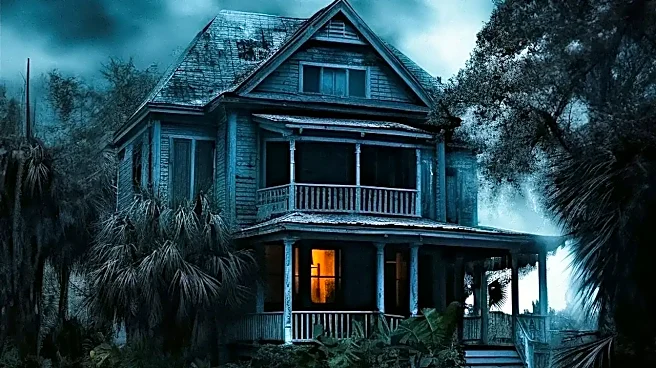
This season's mystery slate is built around audience participation. Take Peacock’s much-anticipated “The Larkspur Murders,” an Agatha Christie-style drama set in a secluded Vermont inn. Its creators have boasted that while the characters on screen follow the main plot, eagle-eyed viewers at home can spot visual clues hidden in the background of scenes—a misplaced letter, a muddy boot print, a reflection in a window—that point directly to the killer. Meanwhile, Hulu is launching “Red Herring,” a noir series with an unreliable narrator. Each week, the hard-boiled protagonist recounts the case, but it's riddled with contradictions. The viewer’s job is to sift through his version of events and compare it to the visual evidence presented in flashbacks to separate fact from fiction. Finally, Apple TV+ is blurring genres with “The Final Clue,” a show-within-a-show where a true-crime podcast team investigates a cold case. The audience sees dramatized 'archival footage' of the original events, packed with clues the podcasters themselves haven't found yet, creating a race to solve the case before the on-screen investigators do.
More Than Just a Passive Watch
The magic of these new shows is that they extend far beyond the weekly broadcast. Creators are no longer just making a TV show; they're building a playground for an entire community of sleuths. The week-long gap between episodes has become a crucial part of the experience, fostering vibrant online discussions on platforms like Reddit and Discord. Fans gather to share screenshots, float theories about suspects, and debate the significance of the smallest details. Showrunners are intentionally fueling this speculation by creating narratives with enough depth and ambiguity to support multiple valid interpretations. This communal effort turns a solitary viewing activity into a collaborative event, a modern version of friends gathering to solve a puzzle together. The shows are being written with the expectation that every frame will be scrutinized, turning the audience into a decentralized team of consulting detectives.
Why We Love to Play Detective
So why is this happening now? In an era of endless content and passive binge-watching, these interactive mysteries offer something different: a challenge. They demand your full attention and reward it with the satisfaction of solving a complex puzzle. This gamified approach to storytelling taps into our innate desire to find order in chaos and be the one who figures it all out. The sense of accomplishment that comes from correctly identifying the killer before the on-screen reveal is a powerful hook. It’s a shift from being a mere consumer of a story to becoming an active participant in it. These shows provide a structured, low-stakes environment to test our wits and intuition, making us feel clever and engaged. It’s a more fulfilling experience than simply letting the next episode auto-play, offering a sense of mastery that keeps us coming back for more.