



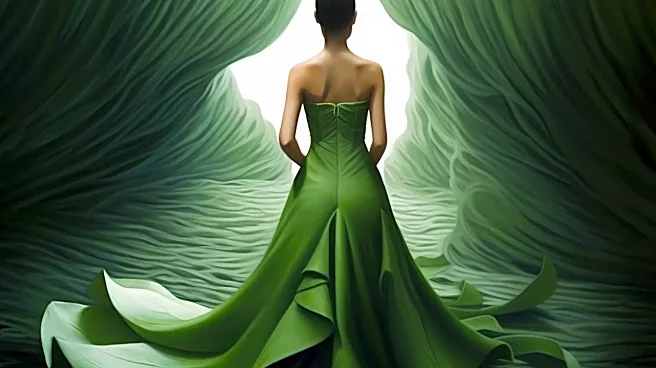

More than two decades after its debut, Wicked's story of outcasts, propaganda, and the meaning of 'good' feels more relevant than ever. The hit films have brought its complex moral questions to a vast new multi-generational audience.
Who Decides Who Is 'Wicked'?
At its core, Wicked
challenges the simple binary of good and evil. The story recasts Elphaba, the infamous 'Wicked Witch of the West', as a misunderstood and brilliant young woman ostracized for her green skin. She is not malicious; she is an idealist who fights for the rights of the oppressed, particularly the talking Animals who are being systematically silenced by the government. Her 'wickedness' is a label applied by a corrupt regime to discredit her when she refuses to comply with its agenda. The narrative forces audiences to question who creates these labels and why. It suggests that history is written by the victors, and that those branded as villains are often just individuals who dared to challenge the status quo.
Power, Propaganda, and Resisting 'Truth'
The true villain of Wicked is not a green-skinned witch, but a system of power maintained through lies. The Wizard of Oz is a charlatan who uses propaganda and scapegoating to consolidate his authority and suppress dissent. He and his press secretary, Madame Morrible, expertly manipulate public perception, branding Elphaba a public enemy to distract from their own oppressive policies. This theme resonates powerfully in the 21st century, but each generation filters it through a different historical lens. For Baby Boomers and Gen X, this narrative might evoke the political spin of the Cold War or the rise of partisan cable news. For Millennials, who came of age during the War on Terror and the 2008 financial crisis, the story reflects a deep-seated institutional distrust and the rise of 'fake news'. For Gen Z, digital natives fluent in online misinformation and social media activism, Elphaba's fight against a state-sponsored narrative feels intensely familiar and personal.
The Activist vs. The Influencer
The friendship between Elphaba and Glinda provides the story's emotional heart and its most nuanced moral conflict. Elphaba is the uncompromising activist, willing to become a pariah for her principles. Glinda, ambitious and desperate for approval, represents a more palatable, mainstream form of engagement. Initially superficial, Glinda slowly develops a conscience, but she often chooses the path of least resistance, valuing her social standing over taking a definitive moral stand. Older generations might view Glinda with more sympathy, recognizing the pressures to conform in professional and social hierarchies. Younger audiences, particularly Gen Z, may be quicker to label her actions as performative allyship or complicity. They live in an era where online culture often demands ideological purity, and Glinda’s reluctance to fully join Elphaba's cause can be seen as a moral failure, a choice to be an influencer when the moment demanded a revolutionary.
Ambition and Complicity's Gray Areas
Wicked refuses to let any character off the hook easily. Glinda's journey is a masterclass in the complexity of complicity. She is given the title 'Glinda the Good' by the same regime that vilifies Elphaba, becoming a public relations tool for an unjust system. While she grows and eventually tries to use her position for good, her path is paved with moral compromises made for the sake of popularity and power. The story asks: is it better to work within a corrupt system to try and change it, or to defy it completely from the outside? Is Glinda a pragmatist or a coward? There is no easy answer, and the generational divide is stark. Generations shaped by protest movements may see Elphaba's direct action as the only honorable path. Meanwhile, those more accustomed to navigating institutional structures might see Glinda's incrementalism as a more realistic, if flawed, approach to making a difference.