


The Promise and the Pitfalls
The bodycon dress is a wardrobe icon for a reason. Short for "body-conscious," its entire purpose is to hug your curves, creating a powerful, streamlined silhouette. When it works, it’s a showstopper. But when it fails, it really fails. The market is flooded
with flimsy versions made from thin, single-layer jersey that cling in the wrong places, become see-through under the slightest tension, and sag after just an hour of wear. Online reviews often focus on fit and color, but rarely dig into the construction that separates a dress that sculpts from one that simply squeezes.
The Secret: It's All About Fabric Density
The hidden detail that truly defines a quality bodycon dress isn’t just the presence of spandex; it's the fabric's structure and weight. The best bodycon dresses are made from thick, stable, double-knit fabrics. Materials like ponte di Roma, scuba, or substantial bandage knits are engineered to provide support and smoothing. Unlike a basic, thin jersey, these fabrics have a more complex, interlocking weave that gives them body and resilience. A ponte knit, for example, is a blend of rayon, polyester, and spandex that offers structure while remaining comfortable. A scuba knit, made from polyester and spandex, has a smooth finish and a springy, architectural quality that holds its shape. These dense fabrics don’t just stretch; they offer compression and support, which is what creates that sleek, polished look designers intend.
The 'Snap-Back' Test: Your 5-Second Quality Check
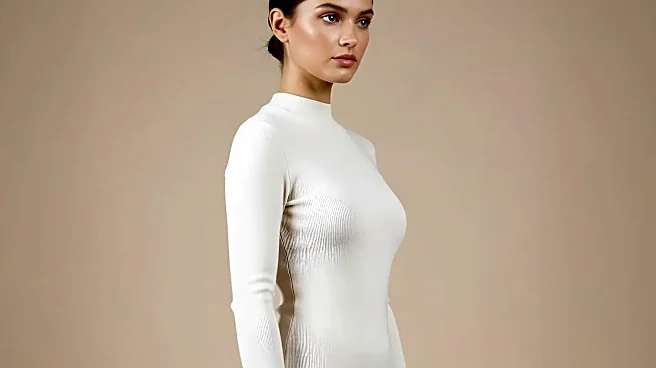
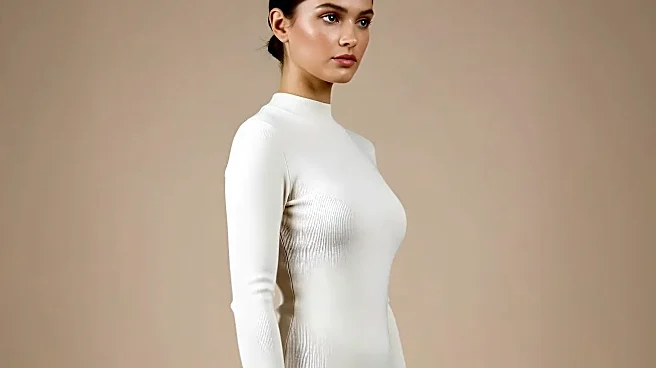
So how can you spot this quality in a store or judge it from an online photo? Perform the "snap-back" test. If you're in a store, grab a section of the dress's fabric, stretch it out firmly for a few seconds, and then let it go. A high-quality knit with good recovery will snap back to its original shape instantly, with no sagging or lingering distortion. Cheap fabric will look slightly stretched out, loose, or even a bit warped. This simple test is a proxy for the fabric's composition and knit density. A fabric with a high percentage of spandex (5% or more) blended into a stable knit structure will have excellent recovery. Online, look for descriptions that mention "double-knit," "structured knit," "ponte," or "scuba." Also, examine how the dress hangs on the model; a heavier, more structured fabric will have smoother lines and won't show every detail underneath.
Supporting Clues: Seams and Lining
While fabric density is the star player, a few other details confirm you've found a winner. Check the seams, especially along the sides. On a well-made dress, the seams will be straight, flat, and robust. Low-quality garments often have puckered or twisted seams that won't lie flat against the body. Another significant sign of quality is a lining or a double-layered construction. A lining helps the dress skim over your body smoothly, prevents it from being see-through, and helps it hold its shape. Even if a dress is made of a great fabric, the absence of these finishing touches can be a red flag that the manufacturer cut corners where it counts.