




The Silhouette Is the Signature
Before you can even see a tag, the shape of an outfit does the talking. Copenhagen's style set uses distinct silhouettes as a primary form of brand recognition. Think of the voluminous, almost cloud-like dresses that have become synonymous with Danish
designer Cecilie Bahnsen. Spotting one across a crowded square is like a secret handshake among those in the know. Similarly, the a-line coats, often in a pop of color, or the wide, flowing trousers known as "balloon pants" signal an appreciation for a specific, comfort-first yet architectural aesthetic that defines many Scandinavian brands. It’s not about a logo on the chest; it’s about the architectural volume of a sleeve or the precise, relaxed drape of a pant. This focus on form over branding suggests an appreciation for design itself, a core tenet of the Scandi style ethos.
Texture and Fabric as Code
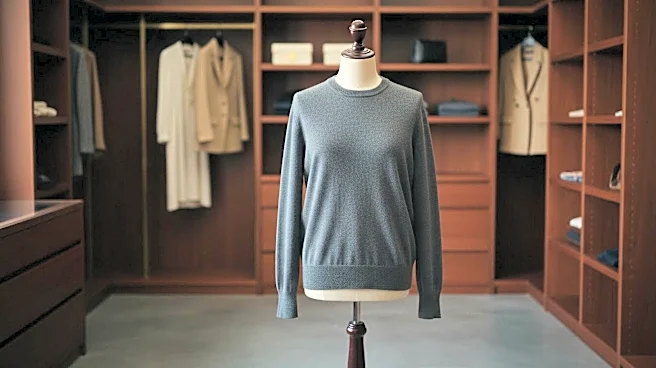
In a sea of minimalist color palettes, texture becomes a crucial differentiator. A simple black coat isn't just a black coat if it's made from a unique crinkled nylon, a rich faux fur, or a nubby, oversized shearling. During the Fall/Winter shows, attendees famously eschew basic puffers for more expressive outerwear, from slick, buttery leather to theatrical shearling coats. In warmer months, it might be the appearance of delicate lace layered over denim or peeking out from under a blouse. These material choices are deliberate. They communicate a knowledge of specific collections and designers who prioritize tactile sensation. A particular knit pattern, a specific kind of recycled polyester, or the hand-feel of a garment are all subtle clues that broadcast a deeper fashion literacy than any logo could.
The 'Wrong' Shoe Theory
One of the most defining characteristics of Copenhagen street style is the intentional, slightly off-kilter choice of footwear. You'll often see a hyper-feminine, romantic dress paired not with delicate heels, but with a pair of chunky sneakers, utilitarian clogs, or even a pair of casual Havaianas. This isn't a mistake; it's a statement. This “wrong shoe theory” is about prioritizing personal comfort and injecting a dose of reality into high-fashion looks. It signals a confident, pragmatic approach to style that is quintessentially Danish. It says, “I love this beautiful dress, but I also have to bike across town.” This juxtaposition of high and low, elegant and practical, demonstrates a mastery of styling that goes far beyond simply putting on an expensive outfit.
It's All in the Unexpected Accessory
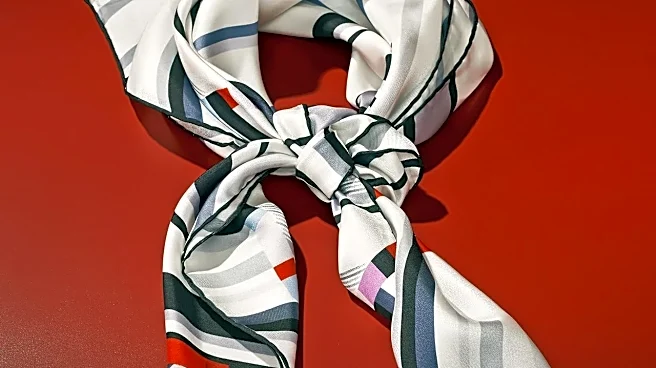
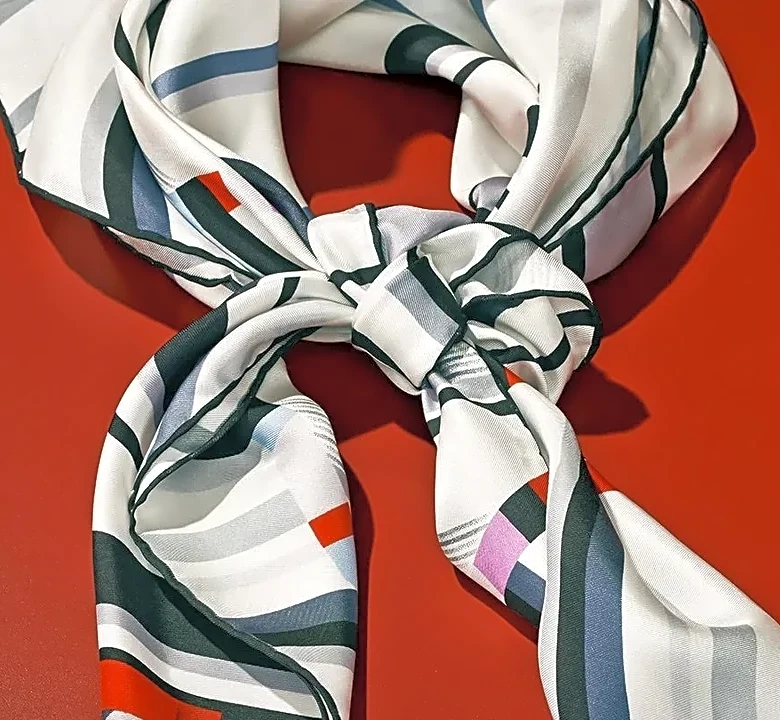
Where logos are absent, a well-chosen accessory can punctuate an entire look. Rather than a logo-heavy 'It' bag, the signals are more nuanced. It might be a pop of a very specific, on-trend color, like the recent surges of tomato red or butter yellow seen on bags and shoes. It could be a piece of sculptural, minimalist jewelry from a niche local designer. Or it could be a particular way of styling a common item, like a bandana tied around the head or a silk scarf worn as a belt. During recent seasons, quirky hair accessories like metallic clips and rosettes became a micro-trend, adding a touch of personality to otherwise understated looks. These small but deliberate choices demonstrate an awareness of the current fashion conversation without needing to shout.
Clever Layering and Minimalist Sets
The art of layering is fundamental in Scandinavia, born from practical necessity but elevated to an art form. Copenhagen showgoers are masters of the unexpected layer, such as wearing a dress or skirt over a pair of pants. This styling trick, which cycles in and out of mainstream fashion, is a consistent staple in Copenhagen, showcasing an advanced understanding of proportion and silhouette. Another key signal is the minimalist set. A perfectly coordinated top and bottom in a solid, often neutral or pastel color, creates a powerful, polished statement. The impact comes from the clean lines, the quality of the fabric, and the monochrome commitment—a look that is instantly recognizable as thoughtful and put-together, proving that true style doesn't need to yell to be heard.