
The Dress That Divided an Audience
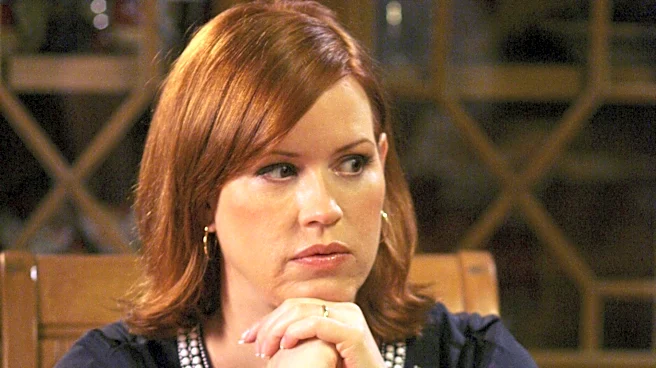
In the climactic scene of 1986's Pretty in Pink, Molly Ringwald's character Andie reveals her self-made prom dress. It's a high-necked, loose-fitting creation in a shade of salmon pink. For decades, audiences
have been split. Was it a triumph of individual style or a fashion disaster? Even Ringwald herself famously disliked it, bursting into tears when she first saw it. Costume designer Marilyn Vance intentionally avoided the typical 80s trends of puffy sleeves and taffeta. Her goal was to create something that reflected Andie's thrift-store creativity and outsider status. The dress was constructed from two different garments, embodying Andie's resourcefulness. Yet, the core silhouette—a high neck and a voluminous shape—wasn't an 80s invention. It was a deliberate throwback.
Echoes of the 1950s 'New Look'
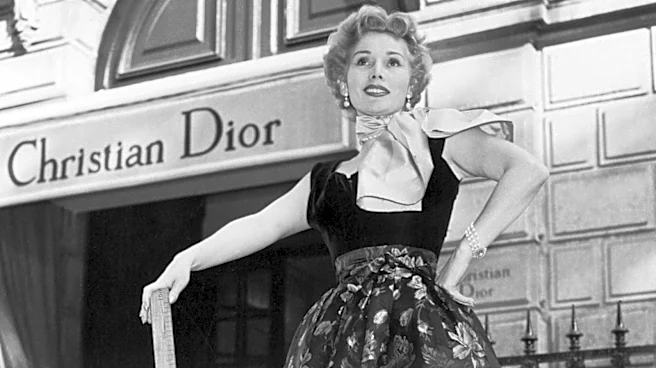
The design DNA of Andie’s dress, particularly the original vintage gown her friend Iona gives her, comes straight from the 1950s. This was the era of Christian Dior's revolutionary "New Look," which debuted in 1947 and dominated the following decade. After the austere, fabric-rationed years of World War II, Dior introduced an opulent, ultra-feminine silhouette: a cinched waist, a full bust, and a voluminous, often tea-length skirt made with yards of fabric. Prom and party dresses of the 50s adopted this style with glee, featuring full tulle or taffeta skirts, sweetheart necklines, and a celebration of the hourglass figure. While Andie's final creation was a deconstructed, almost abstract version of this, the source material was pure 1950s idealism.
Why the '80s Loved the '50s
The 1980s had a full-blown love affair with the 1950s. This nostalgia was visible everywhere in pop culture, from films like Back to the Future and Grease (which, though released in 1978, became a cultural touchstone in the 80s) to the resurgent Rockabilly music scene. There was a perceived parallel between the two decades: the post-war economic boom and optimism of the 50s mirrored the consumerist confidence of the Reagan-era 80s. Both decades were also a reaction to the eras that preceded them. The 50s pushed back against the severity of the 40s, while the 80s rejected the earthy, un-structured styles of the 1970s. For fashion, this meant a return to more defined, glamorous, and even playful silhouettes like circle skirts and bold prints.
A Silhouette with a Story
Ultimately, borrowing from the 50s was the perfect storytelling choice for Andie's character. By taking a vintage dress—a symbol of a past generation's idea of conformity and glamour—and literally tearing it apart to create something new, she makes a powerful statement. She isn't just making a dress; she's crafting her own identity, piece by piece. The silhouette is a rejection of the wealthy, preppy conformity of her classmates and their off-the-rack designer gowns. Costume designer Marilyn Vance stated she wanted a look that was original and reflected a character who "marched to a different drummer." The dress isn't meant to be a perfect 1950s replica or a trendy 1980s gown. It’s a hybrid, a conversation between past and present, perfectly symbolizing Andie's journey to find her own place between two worlds.