

Start with the Vibe, Not the Wardrobe
Before you even think about clothes, think about the character's personality. Are they a brooding detective in a gritty city? A sharp-tongued CEO navigating the boardroom? A charming artist in a sun-drenched countryside? Their clothing is an extension
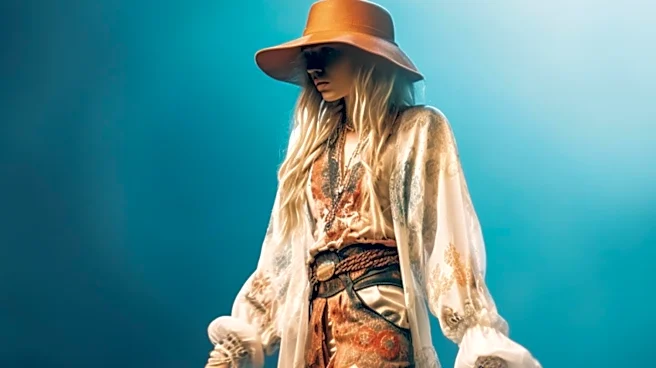
of who they are. The goal is to capture this feeling, or 'vibe,' not to replicate an exact outfit. Someone with a 'Dark Academia' aesthetic might feel studious and a bit moody, drawn to textures like tweed and wool, while a character with a breezy, bohemian vibe is all about flowy fabrics and earthy tones. Identify the core attitude—confident, rebellious, elegant, whimsical—and let that be your starting point.
Deconstruct Their Color Palette
One of the most effective ways to channel a character is through color. Most characters on screen have a specific color palette that defines their world and mood. Think of the rich, quiet luxury neutrals of Shiv Roy in 'Succession' or the consistent use of blue for Zooey Deschanel's character in '500 Days of Summer'. You don't need every color they wear. Instead, identify a core palette of three to five signature hues. Build your inspired look around these shades. This creates a cohesive aesthetic that nods to the character without being a direct copy. A wardrobe built on muted grays, deep blues, and black will instantly feel more like a hard-boiled detective than one built on pastels.
Identify Signature Silhouettes and Pieces
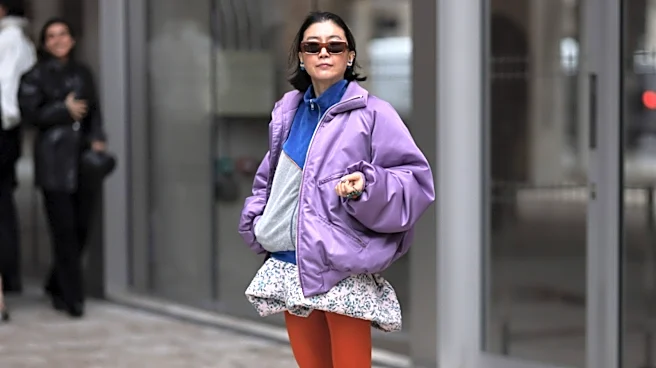
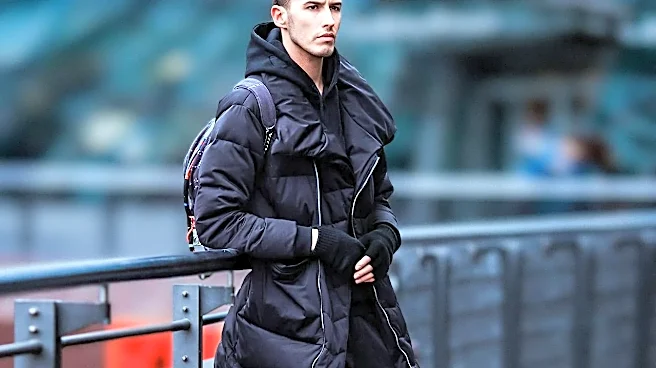
Every memorable character has their go-to items. It might be a specific silhouette or a single signature piece. For James Bond, it's a perfectly tailored suit. For Indiana Jones, it's the rugged leather jacket. The key is to find the modern, wearable equivalent. You don't need the exact jacket, but a well-fitting, high-quality leather jacket can become a cornerstone of your wardrobe. Pay attention to how clothes fit the character. Are their looks sharp and structured or loose and relaxed? Focusing on the overall shape—like pairing a fitted top with baggier pants, a favorite 'model off-duty' trick—does more to capture a vibe than any single item.
Accessorize with Intention
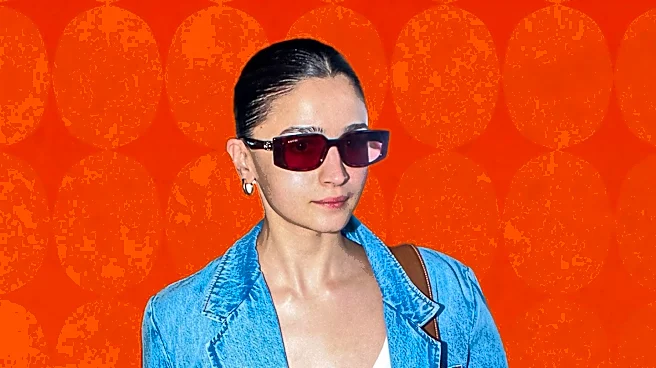
Accessories are where you can have the most fun and add the clearest nod to your inspiration. They are often the most personal part of a character's look. Think of Holly Golightly's oversized sunglasses in 'Breakfast at Tiffany's' or the many bow headbands worn by Blair Waldorf in 'Gossip Girl'. These small details are powerful. A specific style of boot, a vintage-inspired watch, a simple piece of jewelry, or a particular type of bag can complete the entire aesthetic. Unlike a full outfit, an accessory is a subtle wink. It allows you to feel connected to the character in a personal way that's versatile enough for everyday wear.
Make It Your Own
The final and most important step is to filter everything through your own personal style and lifestyle. Don't force yourself to wear something that feels unnatural or impractical. If a character wears stilettos but you live in sneakers, find a sleek, polished sneaker in their color palette. The process of drawing inspiration from a character shouldn't be about becoming them; it should be about discovering a new facet of yourself. Use their style as a framework to try new combinations, silhouettes, or colors you might have otherwise ignored. The best character-inspired outfits look like they belong to you, with just a hint of on-screen magic.