



The Allure of the Red Carpet
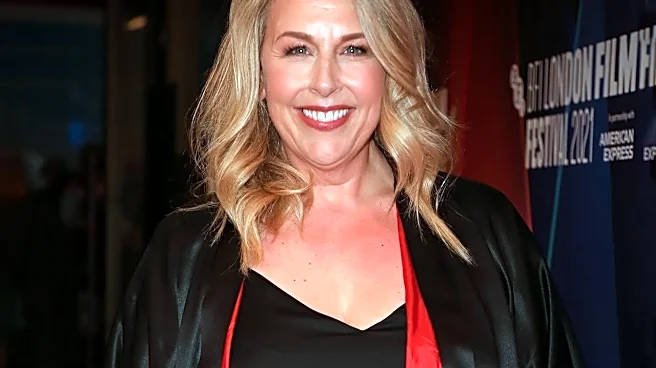
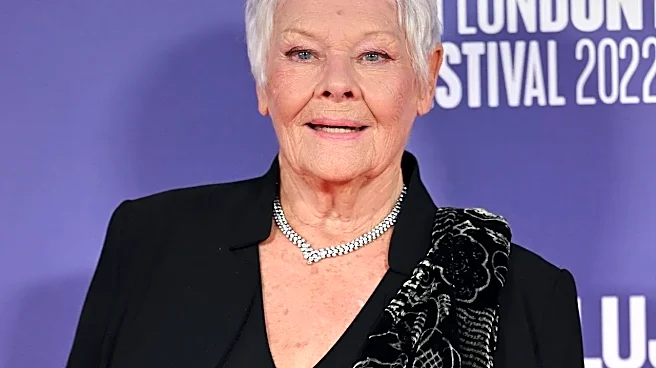
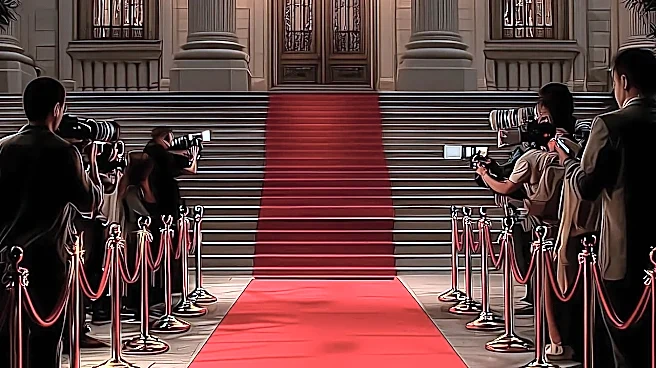
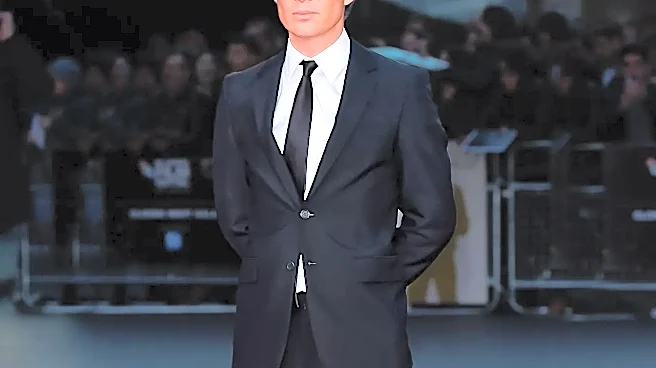
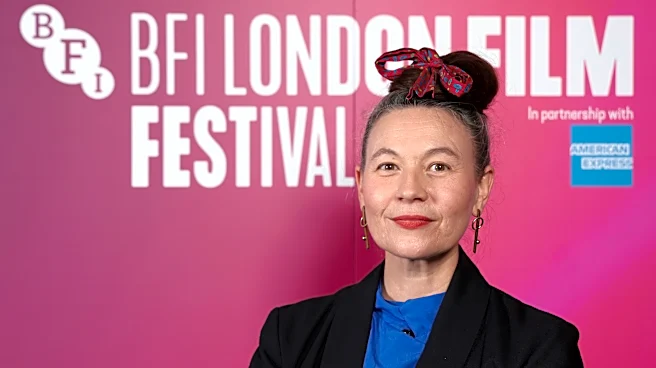
For decades, the path to cinematic glory ran through film festivals. Premiering at a prestigious event like the BFI London Film Festival, which is currently celebrating its 70th edition, has long been a mark of artistic validation. A festival premiere
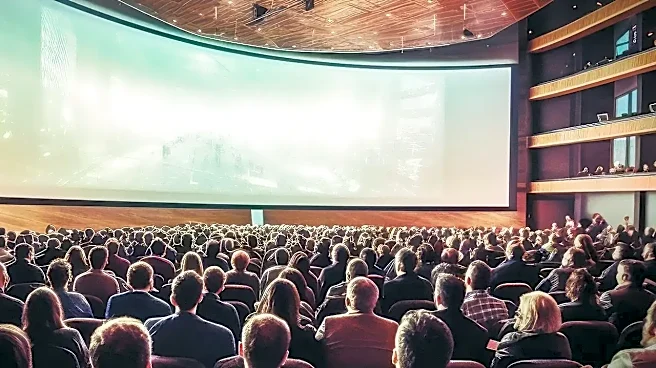
tells the world that a film has been vetted and deemed worthy by industry gatekeepers. This curated launch generates invaluable buzz. Critics gather, reviews are published, and a well-received film can find itself at the center of the cultural conversation, building crucial momentum for an awards season run. For independent filmmakers especially, festivals are a vital marketplace where a bidding war among distributors can lead to a lucrative theatrical deal. It’s a chance to network, gauge live audience reactions, and build a reputation that can define a career.
The Power of the Platform
Then came the streaming titans. Why fight for attention in a crowded festival lineup when a platform like Netflix or Prime Video can deliver your film to millions of homes overnight? A streaming-first release bypasses traditional distribution hurdles and enormous marketing costs. The platforms' powerful recommendation algorithms can push a new movie directly to viewers most likely to enjoy it, creating a different kind of 'buzz' that shows up in trending lists and social media feeds. This model offers filmmakers a global audience from day one and often involves a significant upfront buyout, providing financial certainty without the gamble of the festival market. For viewers, the convenience is unmatched: no tickets, no travel, just a massive library of content available on demand.
Prestige vs. Accessibility
The core of the debate comes down to two different currencies: prestige and accessibility. Festivals trade in scarcity and exclusivity. Being one of a few hundred films selected from thousands of submissions confers immediate status. That laurel wreath on a movie poster signals quality to audiences and potential buyers. A streaming premiere, on the other hand, trades in mass accessibility. While some still perceive a direct-to-streaming movie as less prestigious, that stigma is fading as major auteurs and stars increasingly work with these platforms. The risk for a streaming film is getting lost in an endless sea of content, becoming just another tile on a crowded interface. A festival launch concentrates attention, but a streaming launch offers a potentially much larger, if more distracted, audience.
A Hybrid Future, Not a Binary Choice
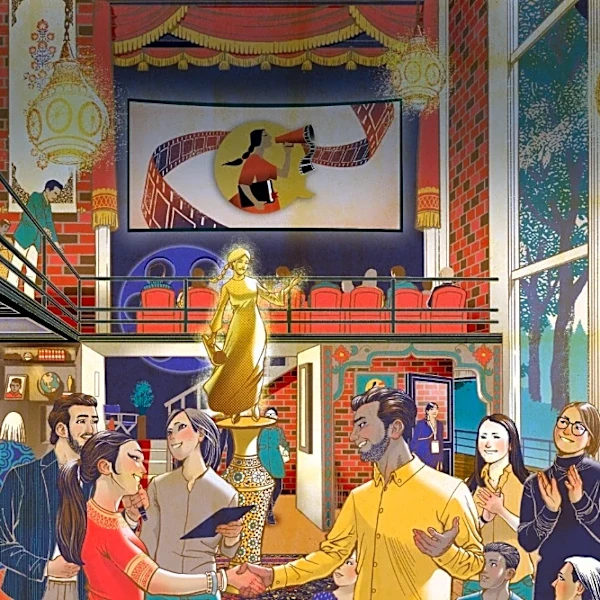
Increasingly, the 'versus' in the headline is becoming obsolete. The smartest strategy in 2026 is often a hybrid approach. Streamers themselves recognize the value of festival prestige. Major platforms like Netflix and Apple TV+ routinely premiere their most important films at festivals like Venice, Toronto, and London to generate critical acclaim and kickstart Oscar campaigns before the movie lands on their service weeks later. This model offers the best of both worlds: the concentrated buzz and industry validation of a festival run, followed by the broad, convenient access of a streaming release. The festival becomes the launch event for a much larger digital marketing campaign. It proves that the two models are no longer mutually exclusive but can be powerful complements.