






A Nuclear Ghost from the Past
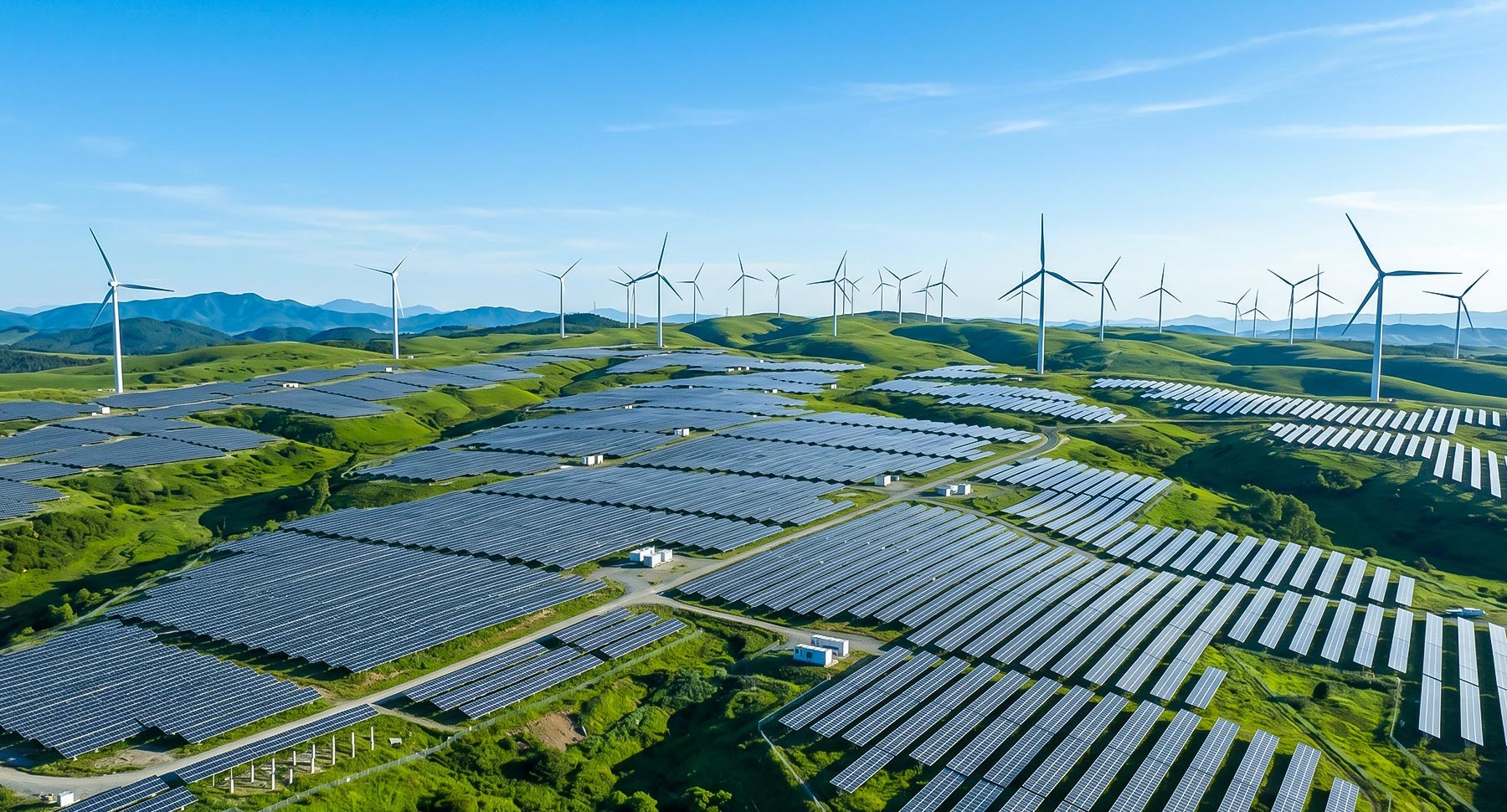
The technology in question isn't solar panels or wind turbines, but a radical type of nuclear reactor. When most of us picture nuclear power, we think of the giant, concrete cooling towers and solid uranium fuel rods used in conventional light-water reactors—the kind that have dominated the industry for 60 years. This 1970s-era concept, the Molten Salt Reactor (MSR), flips that design on its head. Instead of solid fuel rods that need to be cooled by water, an MSR uses a liquid fuel. Nuclear material, like uranium, is dissolved directly into a molten fluoride or chloride salt. This hot, radioactive salt mixture flows through the reactor core, creating a self-sustaining fission reaction that generates immense heat. That heat is then used to spin
a turbine and create electricity. The core concept is elegant: the fuel is also the coolant, eliminating the risk of a meltdown caused by a loss of cooling water, the central fear in accidents like Fukushima.
The Oak Ridge Experiment
This isn’t just a theoretical blueprint. From 1965 to 1969, scientists at Tennessee’s Oak Ridge National Laboratory successfully ran the Molten Salt Reactor Experiment (MSRE). For over four years, the reactor operated safely, proving the fundamental principles were sound. Proponents saw a future of incredibly efficient power plants that could run for years without refueling, operate at normal atmospheric pressure (reducing the need for massive containment domes), and even consume existing nuclear waste as fuel. So why aren’t we all powered by MSRs today? The answer is a mix of timing, politics, and priorities. In the early 1970s, the U.S. government had to make a choice about which advanced nuclear technology to fund for the future. The nuclear establishment, heavily invested in the solid-fuel, water-cooled reactors used for its naval submarine fleet, favored a different design called the liquid-metal fast breeder reactor. With limited funding available and powerful figures backing the competition, the promising molten salt program was officially shelved in 1976.
Why Old Is New Again
Half a century later, the world has changed. The primary driver for new energy isn't just cost, but the urgent need for reliable, carbon-free power to combat climate change. While wind and solar are crucial, their intermittent nature—the sun doesn't always shine, and the wind doesn't always blow—creates a need for a consistent “baseload” power source that can run 24/7. Conventional nuclear provides this, but public perception and safety concerns remain significant hurdles. This is where MSRs are making a comeback. Their key safety feature is what engineers call “passive safety.” If the reactor overheats or loses power, a frozen salt plug at the bottom of the core melts, and the liquid fuel drains by gravity into a subcritical holding tank, stopping the reaction cold. No human intervention or powered pumps needed. This “walk-away safe” design is a massive selling point in a post-Chernobyl world. Furthermore, their potential for greater fuel efficiency and reduced long-lived waste addresses two other major criticisms of the nuclear industry.
Not a Silver Bullet (Yet)
Despite the renewed excitement, resurrecting this 70s tech isn’t a simple plug-and-play operation. Decades of lost momentum mean significant challenges remain. The primary technical hurdle is materials science: the hot, corrosive salt mixture is extremely tough on pipes and reactor vessels. Finding alloys that can withstand that environment for decades of continuous operation is a major focus of current research. Then there's the business and regulatory side. Companies like TerraPower (backed by Bill Gates), Kairos Power, and Moltex are investing hundreds of millions to build demonstration reactors. But they face the daunting task of licensing a completely new type of reactor with regulatory bodies like the Nuclear Regulatory Commission (NRC), which has spent its entire existence overseeing water-cooled designs. Building the first-of-a-kind plants will be expensive, and proving their economic competitiveness against natural gas and renewables will be the ultimate test.