


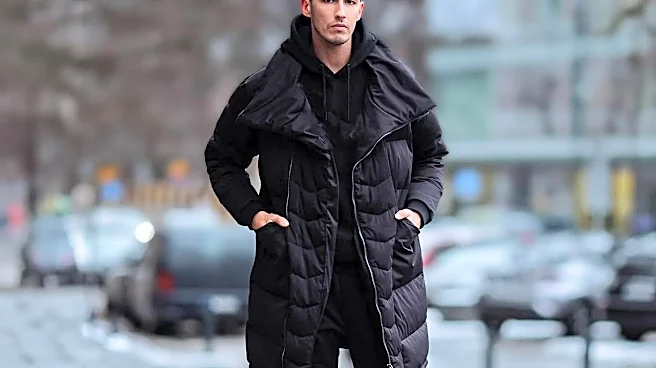

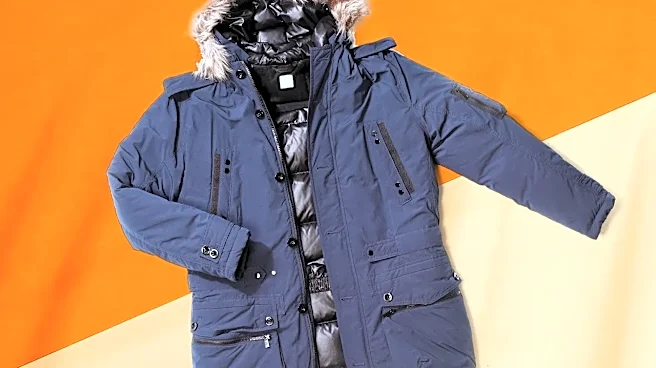
The Real Problem: Bulk vs. Warmth
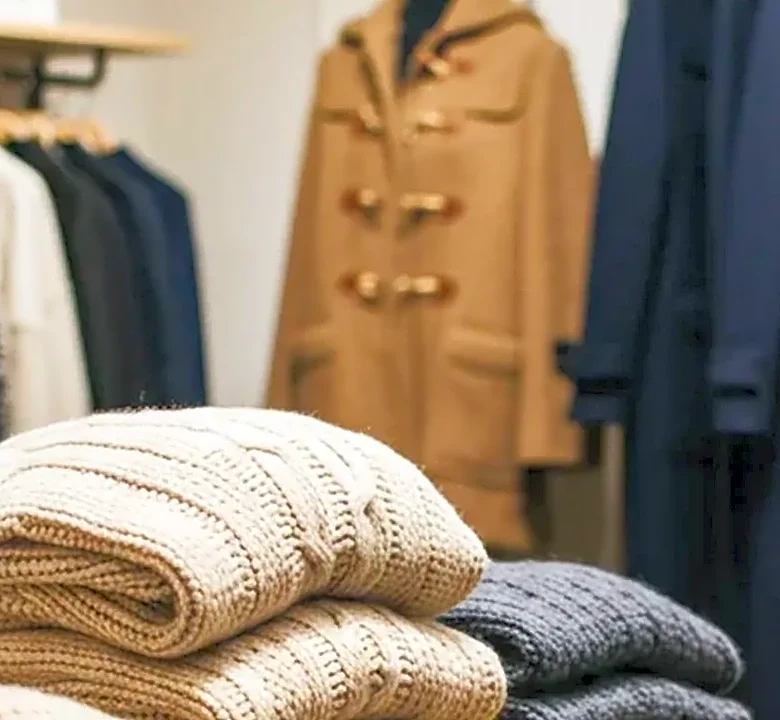
We’ve been taught that thicker clothes equal more warmth, but that’s a common misconception that leads to bulky, uncomfortable outfits. True warmth comes from trapping air, which acts as an insulator. Many traditional winter garments, like thick cotton
sweatshirts and chunky, loose-knit sweaters, are heavy and take up a lot of space but are surprisingly inefficient. They can restrict movement, compress the air pockets in layers underneath, and often fail at the most crucial job: managing moisture. When your layers trap sweat instead of letting it escape, that dampness quickly turns cold the moment you stop moving, leaving you chilled despite all the bulk. The solution isn't adding more layers, but choosing better ones that work together as a system.
Start with a Smarter Base Layer
The foundation of any good layering system is the piece that sits against your skin. Its primary job isn’t just warmth; it's moisture management. This is where many people go wrong by wearing a cotton t-shirt. Cotton is a major culprit in winter discomfort because it absorbs sweat and dries very slowly, pulling heat away from your body. Instead, opt for a thin, snug-fitting base layer made from merino wool or a modern synthetic fabric like polyester. Merino wool is a superstar because it can absorb moisture while still feeling warm and it naturally resists odor. Synthetics are champions at wicking moisture away and drying quickly, making them ideal for more active days. This single swap from cotton to a performance base layer adds significant warmth without any noticeable bulk.
Rethink Your Mid-Layer's Mission
The mid-layer is your primary insulator, designed to trap the body heat that your base layer is working to keep dry. This is where you can make the biggest impact in reducing bulk. Instead of reaching for a thick, heavy sweater, consider modern alternatives that offer a better warmth-to-weight ratio. Materials like fleece, down, and synthetic insulation are all excellent choices. A streamlined fleece jacket provides soft, breathable warmth that stays effective even when slightly damp. Down is the king of lightweight insulation, offering incredible warmth and packability, making it perfect for very cold, dry conditions. Synthetic insulation, often made from polyester fibers, mimics down but has the added advantage of retaining its insulating properties even when wet, making it a versatile and reliable choice for unpredictable weather.
Choose a Shell, Not Another Bulky Coat
Your outermost layer has one critical job: to protect you from the elements, specifically wind and water. Often, people wear a heavy, insulated coat as their final layer, which adds redundancy and bulk if they're already wearing an effective mid-layer. A better approach is to use a thinner, lighter 'shell' jacket. A good shell is windproof and waterproof (or at least water-resistant) but doesn't need to have heavy insulation of its own. Its purpose is to shield your insulating mid-layer from getting wet or having its trapped warm air blown away by the wind. This allows your base and mid-layers to do their jobs effectively. By separating the insulation (mid-layer) from the weather protection (outer shell), you create a more versatile system you can adapt to changing conditions without feeling weighed down.
Putting It All Together Without the Puff
So, how does this look in practice? For a daily commute, you might wear a lightweight merino wool base layer under your work shirt, with a thin synthetic insulated vest or jacket as your mid-layer. Over that, a simple, non-insulated trench coat or shell jacket is enough to block the wind. You get three layers of protection that barely feel like two. For a weekend walk in the cold, your base layer could be a mid-weight thermal, your mid-layer a cozy fleece, and your outer layer a waterproof rain jacket. The key is that each piece is relatively thin and has a specific job. By avoiding redundant, bulky fabrics and focusing on performance materials, your clothes stop competing for space and start working as a sleek, efficient team to keep you genuinely warm.