




What Is a Marketing Flywheel, Anyway?
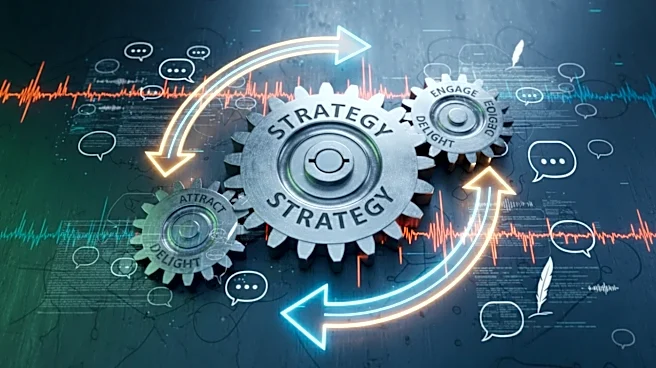
Forget the old idea of a marketing “funnel,” where you dump customers in the top and hope they come out the bottom. A flywheel, in business terms, is a model focused on creating a self-sustaining loop. The goal is to build so much momentum with happy
customers that they naturally feed your growth by creating buzz, generating interest, and bringing in new people. Each part of the experience pushes the next, like giving a heavy wheel a spin. At first, it takes effort, but soon it starts rotating on its own, gaining speed and energy with every turn. It transforms marketing from a constant push into a system that pulls people in, powered by the enthusiasm of the existing audience. Only Murders in the Building isn't just using this model; it has perfected it.
The Show Within a Show: The First Push
The genius of the Only Murders flywheel starts with its very premise. The show follows three true-crime podcast fans who start their own podcast to solve a murder in their building. The plot is literally about creating the kind of recap and theory-driven content that fans love. This isn't a marketing tactic bolted onto the side; it’s baked into the show’s DNA. By making the act of consumption and analysis a central theme, the series gives its audience a built-in framework for how to engage. It encourages viewers to think like the characters, to scrutinize clues, and to discuss theories. This first push on the flywheel gives fans not just a show to watch, but a role to play: amateur detective.
Life Imitates Art: The Official After-Show
Hulu and the show's creators didn't stop there. They gave the flywheel its next powerful shove by creating exactly what the characters in the show would: a real-life companion podcast. The Emmy-winning after-show, "One Killer Question," is hosted by Michael Cyril Creighton, who plays the delightfully quirky resident Howard Morris. Each episode of the podcast dissects the latest TV episode, featuring cast and crew who unpack plot points, character motivations, and behind-the-scenes details. This official recap show serves two key purposes: it extends the life of each episode beyond its runtime, keeping the conversation going all week, and it validates the fan impulse to analyze everything. It’s a direct nod to the recap culture the headline mentions, transforming it from a fan activity into an official part of the experience.
From Viewers to Detectives: Fueling the Fan Engine
With the flywheel now spinning, the marketing team focused on fueling the fan energy it was creating. The campaign became a masterclass in interactive engagement. Hulu launched immersive pop-up experiences and escape rooms that allowed fans to step inside the Arconia and the show's Goosebury Theater to investigate crime scenes for themselves. On social media, they created a fictional persona, a witty building resident named "Barb," who engaged with fan theories and shared fan art, making the show's world feel real and interactive. This strategy successfully turns passive viewers into active participants. When fans are debating clues on Reddit, creating TikTok edits, and interacting with a character from the show's world, they are no longer just an audience; they are an unpaid, unbelievably passionate marketing team.
Closing the Loop: A Self-Sustaining Phenomenon
This is where the flywheel completes its circle and gains incredible speed. The fan-generated content and buzz from the official podcast and immersive events drive enormous social media engagement and media impressions—over 14.5 billion for Season 3's campaign alone. This massive wave of organic interest pulls in new viewers who want to be part of the conversation. The increased viewership ensures the show becomes a cultural touchstone, justifying renewals and bigger budgets for future seasons. It has helped make Only Murders in the Building the most-watched comedy in Hulu's history. The new seasons then provide fresh mysteries, feeding the in-show podcast, the real-world after-show, and the fan community all over again. The wheel spins faster, proving that the most powerful marketing isn't about selling a product, but about building a world that people want to live in.