







Let's Talk Cost-Per-Wear
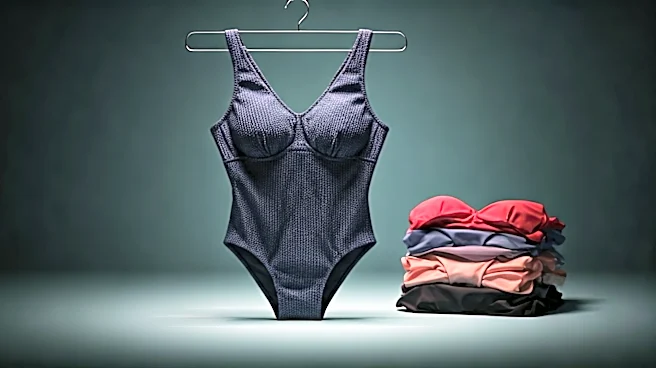
The biggest hurdle is always the price tag. Seeing a swimsuit for $150 or more can feel like an indulgence when you can grab three for the same price. But this is where 'fast fashion math' tricks us. That $40 suit you wear five times before it sags into
a sad, shapeless memory cost you $8 per wear. The other two you bought do the same. You've spent $120 for 15 wears, and now you have nothing for next year. Now, consider the 'investment' suit. A well-made $150 swimsuit is designed to last for seasons. If you wear it just 10 times in its first summer, you're already down to $15 per wear. But over three years and 30 wears (a conservative estimate), the cost-per-wear drops to just $5. It’s cheaper. The math isn’t emotional; it's just math. You end up spending less by buying something that doesn't force you to re-purchase it every single year.
The Magic Is in the Material
What are you actually paying for with that higher price? Better fabric and construction. Most cheap swimsuits are made from a simple polyester or nylon-spandex blend that quickly loses its shape when exposed to chlorine, sun, and salt. The elastic fibers break down, leading to the dreaded droopy bottom.
A higher-quality suit often uses premium textiles like Lycra Xtra Life or other branded nylon blends specifically engineered to resist degradation. These fabrics offer superior shape retention, are more resistant to chlorine and sunscreen oils, and often come with a UPF 50+ rating for sun protection. You’ll also notice better construction: double-lining (so it's not see-through when wet), reinforced stitching, and hardware that doesn't rust or heat up in the sun. It's the difference between a garment designed to be worn and one designed to be sold.
The Unquantifiable Value of Confidence
Beyond the practicalities, there's the feeling. A cheap, ill-fitting swimsuit is a confidence thief. You spend your day at the beach or pool pulling, tugging, and readjusting. You worry about a strap giving way or the fabric becoming transparent after a dip. It actively distracts from the joy of the moment.
A well-constructed suit, on the other hand, is like a secret support system. It’s designed to fit and flatter the body, not just cover it. The compressive fabric holds you in, the smart seams contour, and the sturdy straps provide actual support. When you're not preoccupied with a potential wardrobe malfunction, you're free to actually relax, play, and enjoy yourself. That feeling of security and confidence is priceless, and it’s something a flimsy, mass-produced suit can rarely deliver.
A Small Vote Against Throwaway Culture
Your swimsuit purchase is not going to save the world, but it can be a conscious step away from the churn of throwaway culture. The fast fashion industry thrives on creating low-quality goods that need to be replaced constantly, generating massive amounts of textile waste. Every cheap swimsuit that ends up in a landfill contributes to this cycle.
Furthermore, the production and breakdown of cheap synthetic fabrics release microplastics into our waterways. By choosing a durable suit that you will wear for years, you reduce your personal contribution to this waste stream. It’s a small act of sustainability that aligns your spending with a more mindful approach. Buying one item meant to last is fundamentally a more eco-friendly choice than buying three items designed to be disposable.