




1. The Deconstructed Silhouette
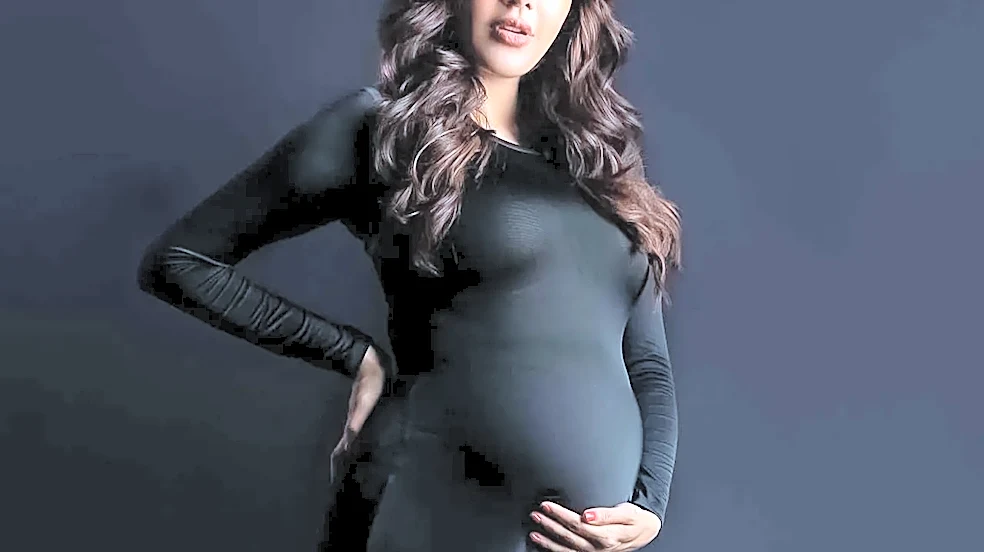
This idea pulls from designers like Rei Kawakubo, whose 1997 'Body Meets Dress, Dress Meets Body' collection used lumps and bumps to challenge the ideal female form. Forget a perfect fit. Instead, think about disrupting your silhouette. Pad a dress or suit
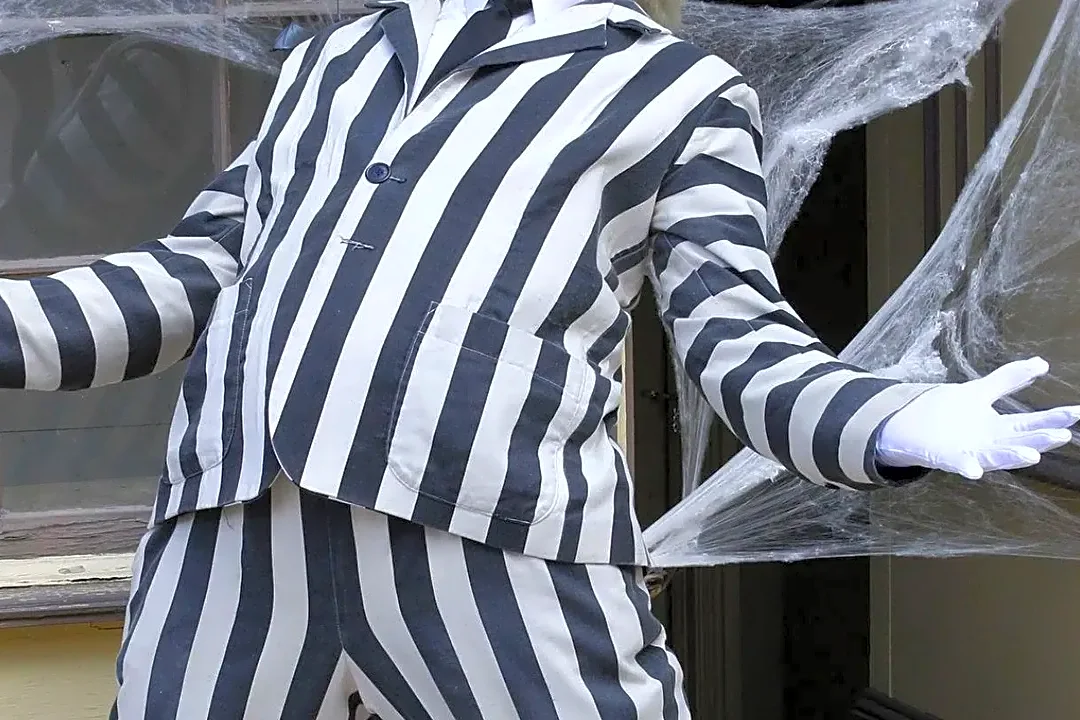
in unexpected places—a hip, a shoulder blade, your back—using foam or balled-up fabric. The key is to create a shape that is both familiar and strange, forcing people to look twice. Pair a simple gingham or pinstripe fabric with your new, abstract form to ground the weirdness in something unexpectedly normal. The goal isn't to be unflattering; it's to question what 'flattering' even means.
2. The Living Soundsuit
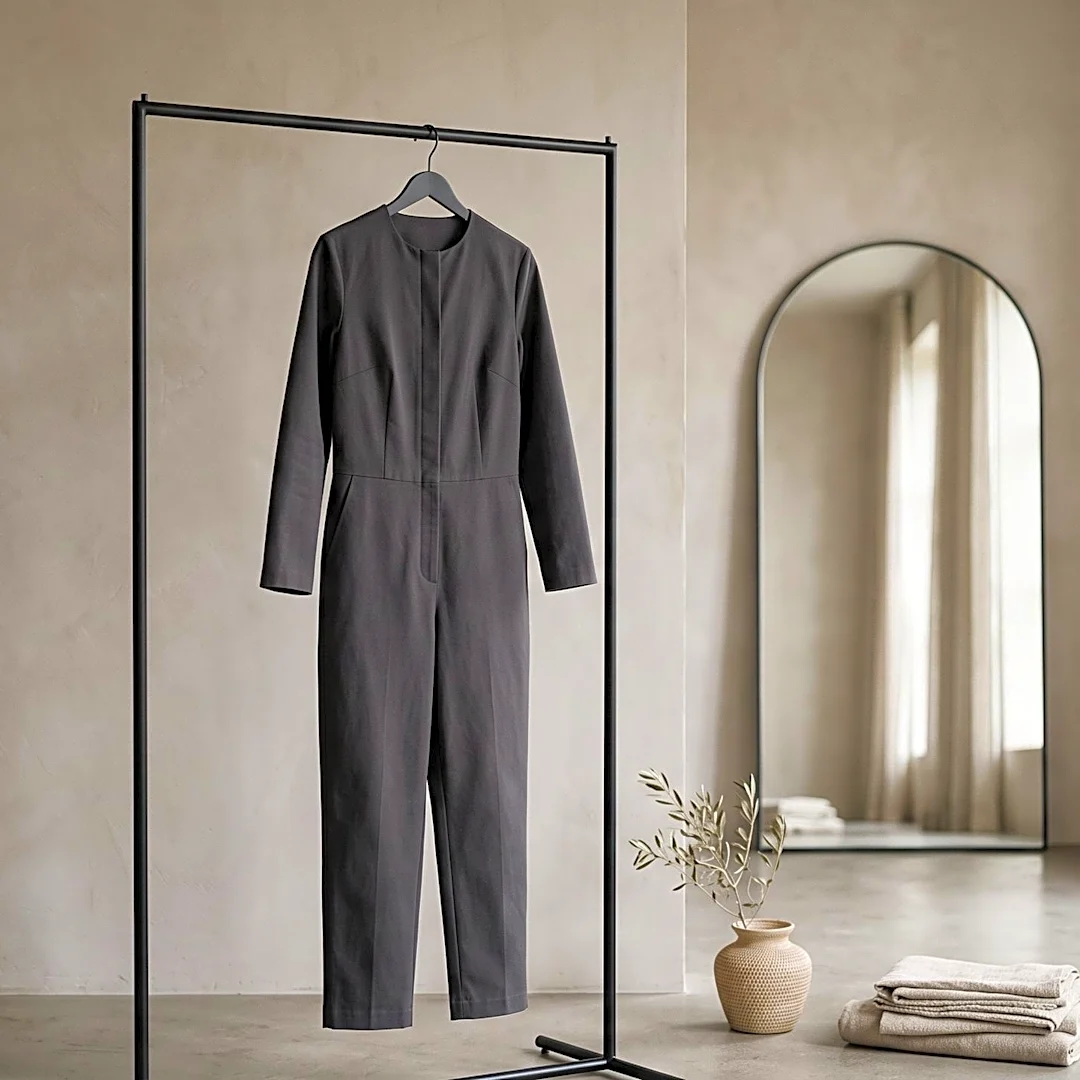
Artist Nick Cave creates dazzling 'Soundsuits'—full-body outfits made from found objects like twigs, buttons, beads, and sequins—that act as a kind of second skin and protective armor. They obscure the wearer's race, gender, and class, creating a new identity. To create your own, start with a base layer like a jumpsuit or sweatsuit. Then, go wild covering it with a single category of object. Think hot-gluing hundreds of colorful plastic bottle caps, sewing on a dense layer of old keys and buttons, or covering yourself in rustling metallic foil wrappers. When you move, you'll create your own unique soundscape. It's a costume that appeals to sight and sound.
3. The Anatomical Body
This concept, often explored in art exhibitions that pair fashion with anatomical drawings, turns the inside out. It's a more intellectual take on the classic skeleton suit. Start with a nude-colored base garment. Using fabric paint or markers, draw the systems that lie beneath the skin. You could render a detailed ribcage, trace the vascular system in red and blue, or map out the muscles of the arms and legs. It’s a costume that blurs the line between fabric and flesh, making people see the human body as the complex, beautiful machine it is.
4. The Abstract Form
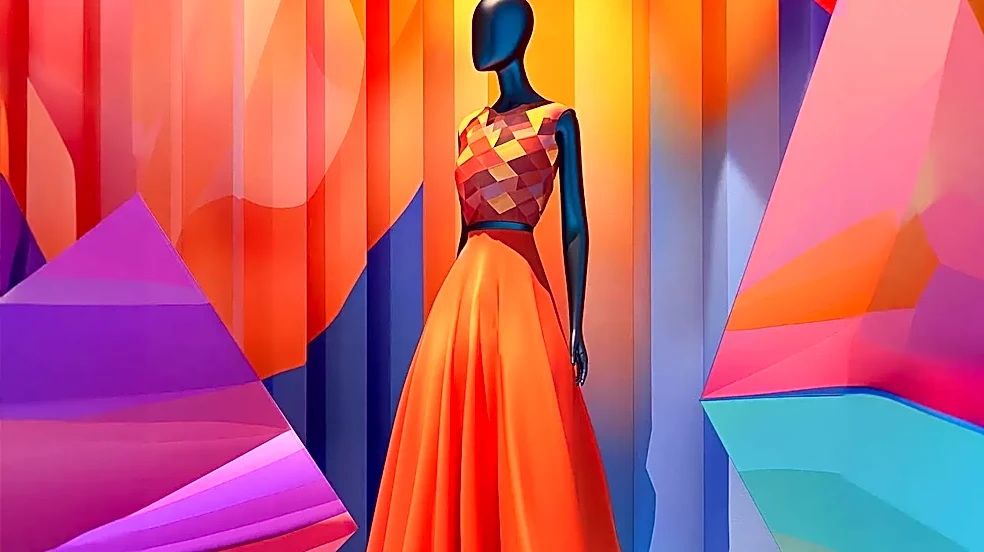
Move beyond dressing as a person or thing and dress as a shape. This concept is inspired by the way art can explore the 'Abstract Body,' using corsetry, padding, and architectural forms to create a sculptural presence. Think of yourself as a moving sculpture. You could use cardboard to build a geometric shell around your torso or craft a massive, sweeping curve that attaches to your back and shoulders. The body inside becomes secondary to the form itself. Paint the entire structure a single, bold color—like Yves Klein blue or pure white—to emphasize its shape over any sense of character or narrative.
5. The Body as Canvas
Artists have long used clothing as a medium for text and image. Lesley Dill's 'Poem Dress' is a classic example. This costume is simple in concept but powerful in execution. Find a simple, plain-colored dress, suit, or even a large white sheet you can drape. Then, using a permanent marker or fabric paint, cover the entire surface with text. It could be a favorite poem, a stream-of-consciousness monologue, a political statement, or even just one word repeated over and over. The clothing stops being an outfit and becomes a page, making anyone who looks at you a reader.
6. The Reclaimed Body
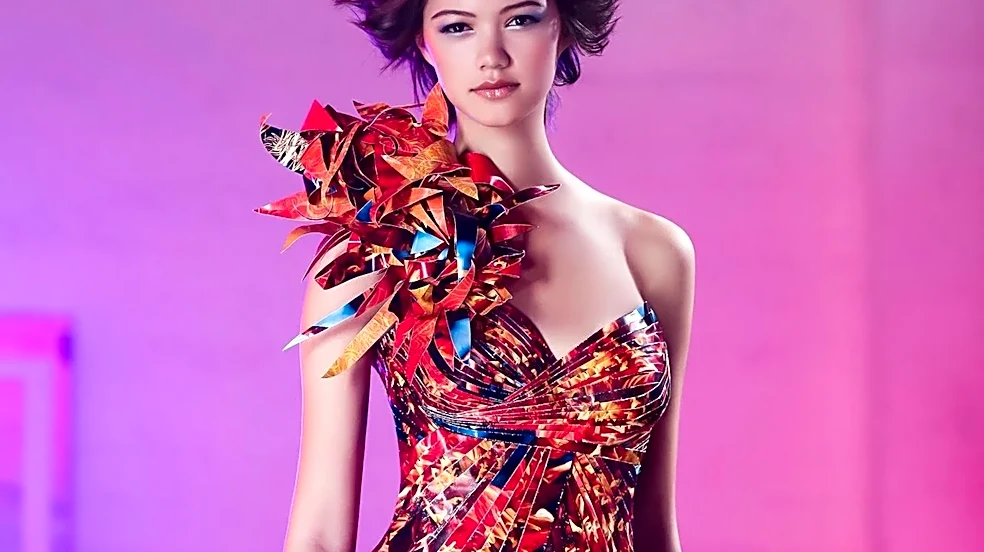
This idea is about taking discarded materials and giving them new life, a theme common in the world of wearable art. Your source material is the recycling bin and the thrift store. Construct a garment entirely from non-traditional, 'trash' materials. Weave a top from plastic bags, create a shimmering skirt from cut-up aluminum cans (carefully sanding the edges), or build an elaborate headpiece from old computer cables and keyboard keys. This costume makes a powerful statement about consumption and creativity, proving that high art doesn't require expensive materials.
7. The Classical Body Reimagined
Exhibitions often juxtapose modern fashion with classical sculptures, highlighting the timeless art of draping. This costume takes that idea literally. Instead of a simple toga, think bigger. Get yards of a single color of fabric—rich terracotta, stone gray, or classic white—and experiment with wrapping and pinning it in dramatic, gravity-defying ways that evoke the robes of a Greek statue. The twist? Combine the classical drapery with a single, jarringly modern element: a pair of neon sneakers, a chrome mask, or futuristic sunglasses. You become a bridge between the ancient and the contemporary.