





The 150-Year Rule
The core 'secret' isn't one specific trick but a guiding principle established by the showrunners: everything was designed to look like Westeros approximately 150 to 175 years *before* the events of 'Game of Thrones.' This might sound obvious for a prequel,
but the execution is what matters. The team wasn't trying to create a totally alien past. Instead, they asked, 'What would the Red Keep, or a noble house’s armor, look like if it were just a bit newer, wealthier, and less weathered by recent war?' This approach immediately grounds the audience in a recognizable world while allowing for crucial differences. It avoids the prequel pitfall of making everything look radically different, instead presenting a world that is simply at a different point in its own timeline. It's a world flush with dragon-fueled wealth and Targaryen power, a stark contrast to the indebted, fractured kingdom we met with King Robert Baratheon.
A Richer, More Decadent King's Landing
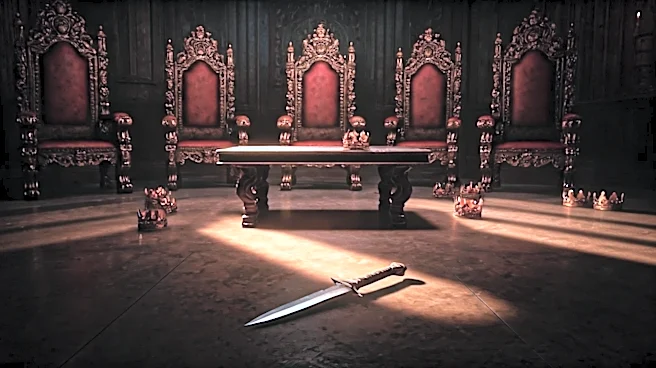
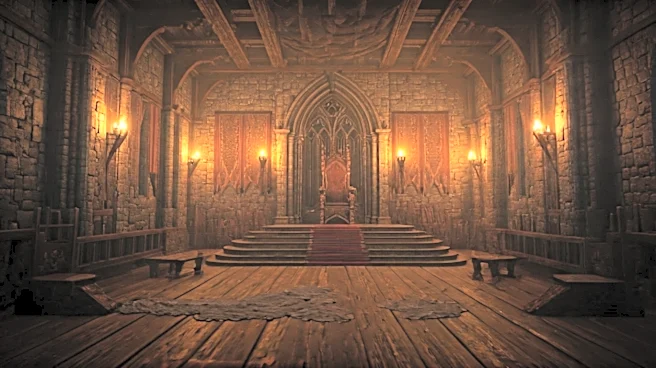
Nowhere is this philosophy clearer than in the production design of King's Landing. In 'Game of Thrones,' the Red Keep felt old, its glory faded. The Iron Throne was formidable but existed in a relatively stark chamber. For 'House of the Dragon,' production designer Jim Clay rebuilt these iconic sets with an eye toward peak Targaryen influence. The throne room is vast, adorned with thousands of melted swords bristling from the walls and floor around the central seat, a much more menacing and accurate interpretation of George R.R. Martin's books. The dragon skulls lining the halls aren't just ancient relics; they are the recent, terrifying trophies of the ruling family's living weapons. The entire city feels brighter and more opulent, reflecting an empire at its zenith, not one teetering on the edge of bankruptcy and rebellion. We are seeing these familiar places in their prime, which makes their eventual decay all the more tragic.
The Uniform of Unchallenged Power
Costume design serves as the most immediate political barometer. 'Game of Thrones' was defined by its diversity of house sigils—the Stark direwolf, the Lannister lion, the Baratheon stag, all vying for visual dominance. In 'House of the Dragon,' one sigil reigns supreme: the three-headed dragon of House Targaryen. Costume designer Jany Temime deliberately saturated the world with Targaryen red and black. It's on the armor of the Kingsguard, the livery of the servants, and the gowns of the royal court. This visual monarchy creates a sense of oppressive, top-down power. Other houses, like the Velaryons and Hightowers, have their own distinct styles, but they exist in the Targaryens' world. This subtle shift in costuming tells a new political story. The central conflict isn't between warring kingdoms; it's an internal rot, a civil war brewing within the all-powerful ruling family itself. The uniforms tell us who is in charge before a single line of dialogue is spoken.
Familiar Echoes in a New Song
While the political landscape is new, the creators masterfully wove in familiar cultural and structural threads to ensure the world felt cohesive. The Maesters of the Citadel, the structure of the Small Council, the ominous presence of Harrenhal, and the cutting power of Valyrian steel are all present. Even the music, composed by Ramin Djawadi, brilliantly remixes familiar themes. We hear echoes of the main 'Game of Thrones' title track, but the dominant scores for 'House of the Dragon' are new, reflecting the specific anxieties and ambitions of the Targaryen clan. These elements act as anchors for the audience. They confirm we are in the same universe, governed by the same fundamental rules of magic, society, and geography. This continuity makes the 'new' elements—the sheer number of dragons, the different political pressures, the focus on a single family's succession crisis—stand out even more sharply.