






An Ancient Symbol of Power
Before they were a fashion staple, hoop earrings were a symbol of power and status. Their history stretches back thousands of years to ancient civilizations. The earliest known examples appeared around 2500 BCE in Nubia (modern-day Sudan) and Mesopotamia,
where Sumerian women wore gold hoops. In ancient Egypt, both men and women, including royalty like Cleopatra and Tutankhamun, wore them to signify wealth and divinity. The circular shape was often seen as a symbol of eternity and wholeness. This wasn't just about decoration; it was about identity. In ancient Rome and Greece, hoops were also popular, worn to denote everything from social standing to tribal affiliation. This deep historical rooting gives the hoop an inherent substance that fleeting trends lack; they began as a meaningful object, not just a fleeting accessory.
A Modern Badge of Identity
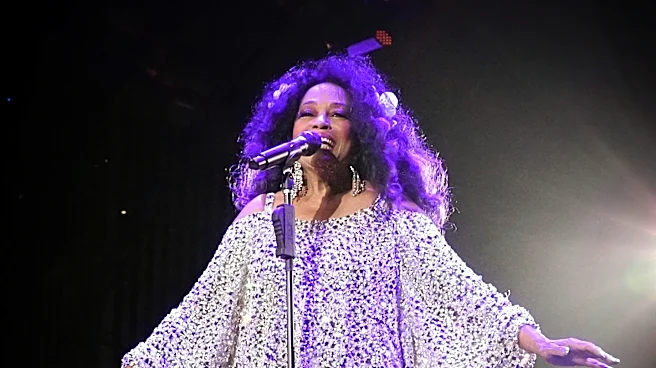
In the 20th century, hoop earrings gained a powerful new layer of meaning in the United States, particularly within Black and Latina communities. During the Civil Rights and Black Power movements of the 1960s and '70s, hoops became a symbol of empowerment and cultural pride, famously worn by activists like Angela Davis. For women of color, wearing hoops became a way to celebrate their heritage and resist assimilation into a mainstream culture that often stereotyped or dismissed them. Icons like Diana Ross, Sade, and Selena Quintanilla helped cement the hoop as a signature look, tying it to femininity, strength, and cultural identity. They weren't just an accessory; they were a statement of belonging, often passed down through generations as a cultural heirloom. This deep connection transformed the hoop from a simple piece of jewelry into a potent symbol of resistance and pride.
The Silent Language of Size
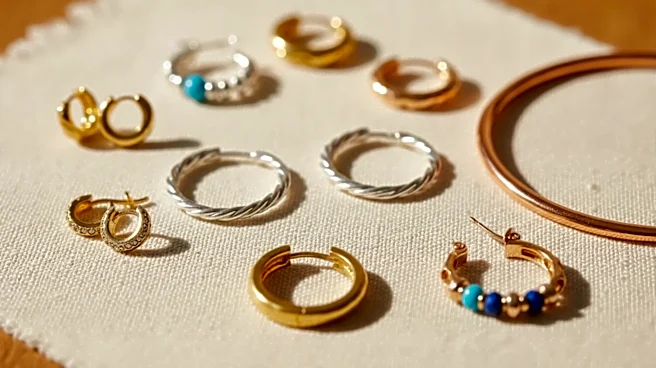
The true genius of the hoop lies in its versatility, which is communicated almost entirely through size. Each diameter speaks a different language. Small hoops and huggies (around 10-20mm) that sit close to the earlobe are the epitome of understated elegance. They are perfect for professional settings or a minimalist, everyday look. Medium hoops (roughly 25-35mm) are the versatile workhorses. They’re noticeable enough to frame the face and add polish, transitioning effortlessly from a daytime meeting to a dinner out. Then there are the large hoops (40mm and up). These are the statement-makers, exuding confidence and boldness. They command attention and are often chosen for moments when you want to feel powerful and seen. This spectrum of sizes allows the wearer to calibrate their message, choosing a hoop that perfectly matches their mood, occasion, and desired impact.
Why They Never Go Out of Style
Hoop earrings outlast trends precisely because they are not one single trend. They are a fundamental shape, a blank canvas for self-expression. Their timelessness comes from this adaptability. A delicate, thin hoop can feel classic and refined, while a chunky, thick one feels modern and bold. The simple circular form can frame any face shape, work with any hairstyle, and complement nearly any neckline. Unlike accessories that are tied to a specific aesthetic or subculture, the hoop has been adopted and reinterpreted by countless groups across millennia. It has been a symbol of royalty, a tool of political expression, a marker of cultural heritage, and a simple fashion choice. This rich, layered history means that when you put on a pair of hoops, you're not just participating in a fleeting moment; you're connecting to a story of power, identity, and enduring style that has been thousands of years in the making.