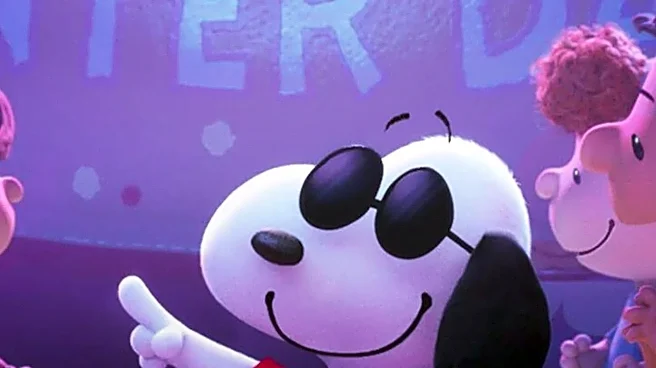





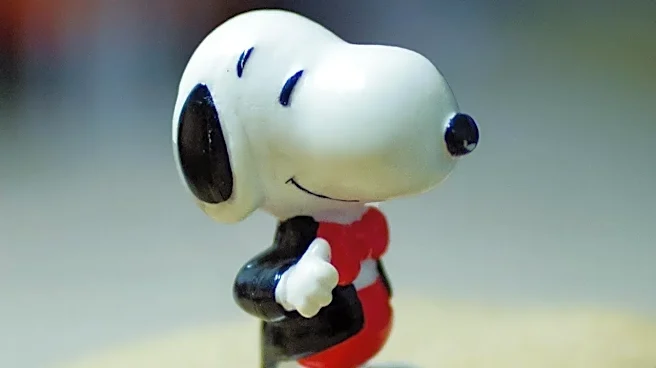

For millions, the holiday season doesn't start until Snoopy fights a lawn chair. But as we grow up, our view of 'A Charlie Brown Thanksgiving' changes. What was once simple cartoon fun becomes a surprisingly complex and debated cultural text.
A Child's Anarchic Dream
For any kid,
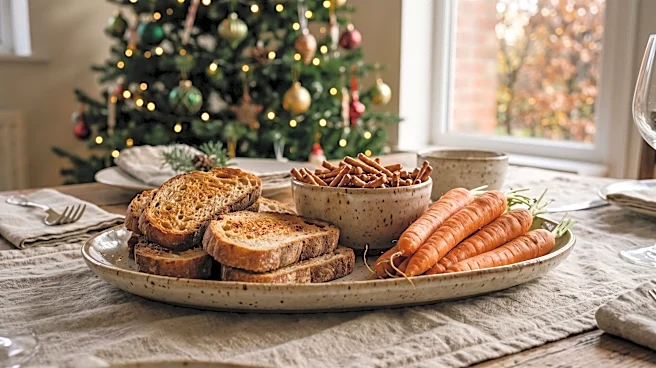
the premise of 'A Charlie Brown Thanksgiving' is a fantasy come to life. The adults are almost entirely absent, leaving the kids to solve their own problems. When Peppermint Patty brazenly invites herself and her friends over, Charlie Brown doesn't consult a parent; he consults Linus. Their solution isn't to ask for help, but to make Thanksgiving themselves. The resulting meal of buttered toast, pretzel sticks, jelly beans, and popcorn is a feast a child would invent—a glorious pile of snacks served with the seriousness of a five-course meal. The conflict is simple: Peppermint Patty is rude, but Marcie reminds her about gratitude, and everyone learns a gentle lesson. To a child's eyes, it’s a funny, low-stakes adventure where kids are in charge and the dog is the best cook.
An Adult's Anxiety-Ridden Nightmare
Rewatching as an adult is a completely different experience. Suddenly, Charlie Brown's panic is deeply relatable. He's a child being railroaded into hosting a major holiday meal with no skills or resources. Peppermint Patty's behavior transforms from a simple faux pas into a masterclass in social obliviousness and entitlement. She doesn't just invite herself; she steamrolls Charlie Brown's attempts to explain he has other plans, then complains about the very meal she demanded. You start to notice the undertones of melancholy and social dysfunction that run through all 'Peanuts' specials. The world feels lonely, and the children seem to be navigating it with the anxieties of adults but none of the agency. That 'fun' meal of toast and popcorn now looks like a cry for help from a stressed-out kid trying his best.
The Uncomfortable Franklin Question
The most significant shift in the adult viewing experience centers on Franklin, the only Black member of the Peanuts gang. As kids, most of us never noticed. As adults, it's impossible to miss: Franklin is seated alone on one side of the Thanksgiving table, in a rickety lawn chair, while the other characters are grouped together in proper dining chairs. This visual has sparked widespread debate and accusations of racism over the years. While 'Peanuts' creator Charles M. Schulz was a pioneer who insisted on integrating his comic strip in 1968, the imagery in the 1973 special feels jarring to modern eyes. Schulz's family and producers have suggested the seating was an unintentional choice by animators, not the creator. In fact, a recent special, 'Snoopy Presents: Welcome Home, Franklin,' was created in part to rectify this very scene. For adults, this moment turns the special from a simple cartoon into a complicated cultural artifact that reflects the blind spots of its era.
The Enduring Warmth of Tradition
So if the special is a minefield of social anxiety and problematic visuals, why do adults keep watching? The answer lies in the potent mix of nostalgia, timeless themes, and genuine heart. Linus's speech about the true meaning of Thanksgiving—being together—still lands beautifully. The gentle melancholy of Vince Guaraldi's iconic jazz score is auditory comfort food. And at its core, the story remains a sweet tale about the importance of friendship over perfection. Charlie Brown, for all his faults, tries to do the right thing for his friends, and in the end, they all head off to his grandmother's house together (in a condo, not over the woods). The special’s ending reinforces that togetherness and forgiveness are what truly matter. It reminds us that even when things are imperfect, there is grace and gratitude to be found.