



The Fortress of Spoilers
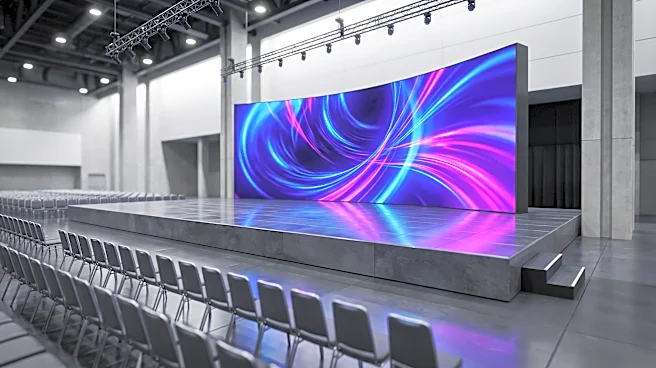
The main presentation in Hall H or on the Empire Stage is a masterclass in control. Every moment is meticulously planned, from the booming introductory music to the precisely chosen, studio-approved clips. Actors and directors take the stage armed with
talking points that have been vetted by entire teams of publicists and executives. Their job is to generate maximum hype while revealing minimal new information. They are trained to deflect, pivot, and speak in grand-but-vague terms about a character's "journey" or an upcoming film's "epic scale." The footage shown is exclusive and often under a strict no-recording policy, with security on high alert. In this environment, the odds of a genuine, unplanned spoiler are practically zero. It’s a locked-down, high-gloss performance designed to feel excitingly spontaneous while being anything but.
The Human Element Breaks Through
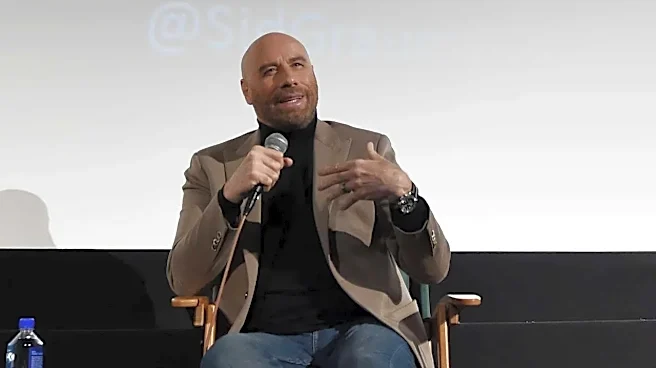
Then comes the Q&A. The house lights go up, a moderator invites questions from the audience, and the entire dynamic shifts. The carefully constructed wall between the creators and the fans begins to crumble. After an hour of sticking to the script, actors are often visibly relaxed and eager to have a genuine interaction. Their primary goal is no longer just to promote, but to connect with the passionate audience that supports their work. This is where the danger lies. In the desire to share a fun anecdote or give a thoughtful answer, the media training can fall away. Actors known for their loose lips, like Tom Holland or Mark Ruffalo, have become infamous for letting details slip in these less guarded moments. They might accidentally spoil a character's fate, confirm a long-held fan theory, or reveal a surprise trilogy before it's been officially announced.
The Fan's Surgical Strike
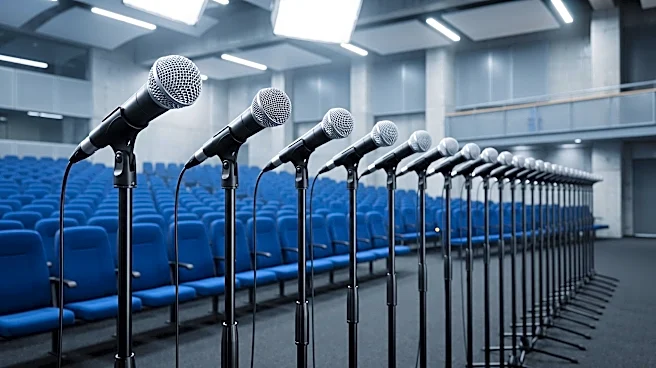
The questions themselves are a key part of this equation. The fans lining up at the microphones aren't casual viewers; they are deeply invested experts who have dissected trailers frame-by-frame and spent months debating lore on Reddit. Their questions are often not broad inquiries but surgical strikes, designed to poke at the edges of what's known. They’ll ask about a specific symbol in the background of a poster, a line of dialogue from a previously released clip, or the deeper meaning of a character’s new costume. These hyper-specific questions can easily catch an actor off-guard. Answering honestly might reveal a plot point, while a clumsy deflection can be just as revealing. It’s a high-pressure situation where a star, wanting to please the fan, can be inadvertently backed into a corner and give away more than they ever intended.
The Moderator on the Tightrope
Caught in the middle of this is the panel moderator, who has one of the hardest jobs in the room. Their role is to be the ultimate facilitator: keep the energy up, ensure the conversation flows, and tactfully steer both the fans and the panelists away from spoiler territory. A good moderator can spot a dangerously specific question coming from a mile away and reframe it. They can gently cut off an actor who is rambling toward a revelation, often with a joke that diffuses the tension. But they are walking a tightrope. If they are too controlling, they risk shutting down the fun, spontaneous energy that makes a Q&A special. If they are too loose, they risk letting a major secret slip. It's a delicate balance of being a traffic cop, a hype person, and a security guard all at once.