
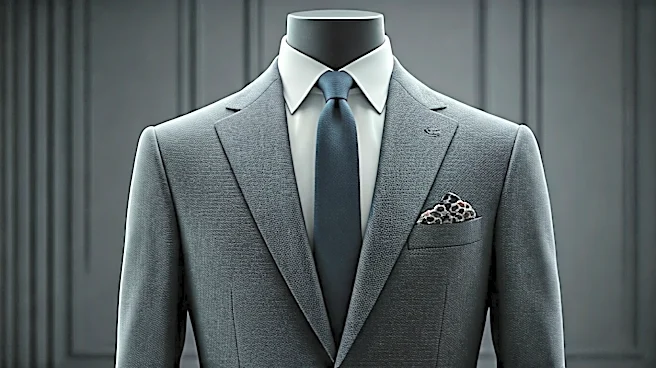


The Anatomy of a 'Draft Suit'
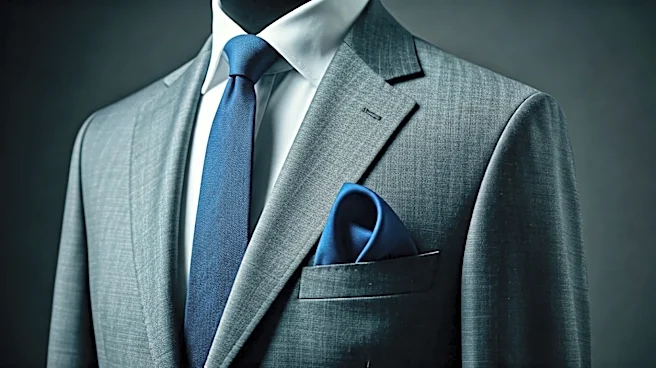
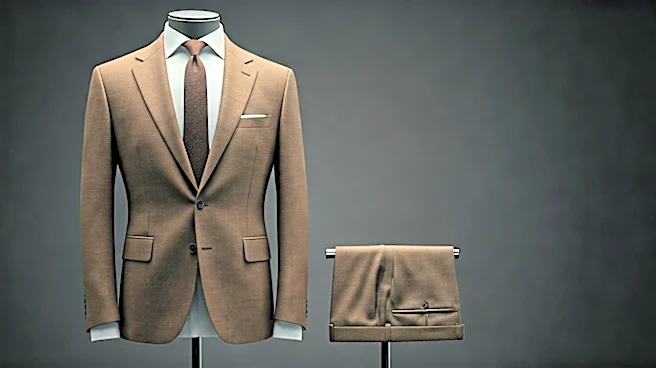
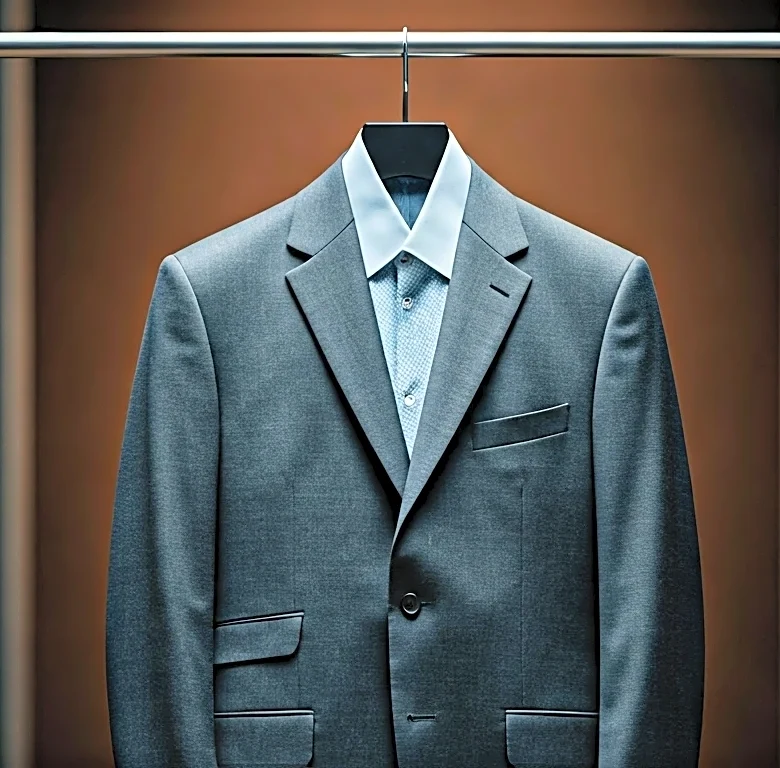
First, let's define our terms. The “draft suit,” as it's been retroactively nicknamed, wasn't just a slim-fit suit; it was an exercise in sartorial compression. The key features were unmistakable: jackets were aggressively cropped, often struggling to cover
the seat of the trousers. Lapels were razor-thin. Armholes were cut punishingly high, creating a rigid silhouette that restricted movement. And the trousers? They were unforgivingly skinny, tapering to a sharp ankle break that sat high above the shoe, flashing a deliberate amount of “man-kle.” The icon of this era was J.Crew’s Ludlow suit, an accessible, well-marketed garment that became the default uniform for a generation of men trying to look sharp, modern, and put-together.
A Perfect Storm of Mad Men and Menswear Blogs
This look didn't appear in a vacuum. It was a direct and forceful rebellion against the baggy, oversized suits that dominated the 1990s and early 2000s—think Michael Jordan’s draft day suit, the spiritual antithesis of this trend. The 2010s moment was fueled by a confluence of cultural forces. The massive popularity of AMC’s *Mad Men* romanticized a bygone era of sharp, tailored masculinity. Simultaneously, the first wave of menswear blogs (like “A Continuous Lean” and “The Sartorialist”) fetishized heritage brands and a return to classic, albeit dramatically slimmed-down, American style. The draft suit was the perfect outfit for this new, digitally savvy man. It projected youth, ambition, and an internet-fueled fluency in what was “cool.” It was the sartorial equivalent of a minimalist coffee shop: clean, aesthetically pleasing, and a little bit sterile.
The Unraveling Seams of a Uniform
For a while, the look felt fresh and revolutionary. But as with any trend that becomes a uniform, its appeal began to fade. The problems were both practical and philosophical. For one, the suit was deeply uncomfortable. It traded ease of movement for a rigid aesthetic. More importantly, it was only truly flattering on a very specific, very lean body type. For everyone else, it highlighted imperfections and looked less like a power suit and more like a sartorial straitjacket. Its ubiquity became its downfall. When every guy at a wedding, in a job interview, or on a Tinder profile was wearing the exact same silhouette, it stopped being a marker of individual style and became a signal of conformity. The rebellion had become the new establishment.
The Reassessment: Comfort, Confidence, and Volume
So why are fashion editors reassessing it now? Because the pendulum has swung—hard. Today’s tailoring is all about ease, fluidity, and volume. We’ve moved from the restrictive world of Thom Browne to the relaxed elegance of designers like Jerry Lorenzo of Fear of God or Kim Jones at Dior Men. Trousers are wider, jackets are longer and often unstructured, and the overall silhouette favors drape and comfort. This shift was accelerated by the pandemic, which recalibrated our collective tolerance for discomfort in clothing. But it's also about a new definition of confidence. The draft suit’s power came from restriction—sucking everything in to create a sharp line. The power of today’s tailoring comes from ease—the confidence to take up space, to move freely, and to wear clothes that feel as good as they look. Looking back at the draft suit now feels like looking at an old photo from a different life. It was the right suit for its time, but its time is definitively over.