


The Comfort of Controlled Fear
There’s a unique comfort in rewatching a scary movie. You know exactly when the jump scare is coming, who survives, and how the monster is defeated. This predictability creates a controlled experience. Psychologists explain that when you watch a horror
film, your body can have a genuine 'fight or flight' stress response, complete with adrenaline. But because your brain knows you're safe on your couch, that arousal can feel exhilarating instead of truly terrifying. When you rewatch a classic, you get that same physiological buzz without any of the anxiety of the unknown. It’s like riding a familiar rollercoaster; you get the thrill without the genuine fear of crashing. This makes classic horror a surprisingly cozy activity, turning a movie like John Carpenter's 'Halloween' into a comforting annual ritual rather than a source of new nightmares.
A Shared Cultural Campfire
Classic horror films are more than just movies; they are cultural touchstones. Films like 'The Exorcist', 'Hocus Pocus', or 'A Nightmare on Elm Street' have become part of a shared seasonal language. Watching them is a tradition, an event that connects us to our own past and to a wider community of fans. It’s the modern equivalent of telling the same spooky stories around a campfire year after year. These films often evoke powerful nostalgia, reminding us of the first time we saw them, who we were with, and how it felt. This social bonding and connection to personal history is something a brand-new release, no matter how good, simply can't offer. The classics have had decades to weave themselves into the fabric of the holiday itself.
A Different Kind of Scare
The very definition of 'scary' has evolved. Many classic horror films, from the Universal monster movies of the 1930s to the slashers of the 70s and 80s, relied on atmosphere, suspenseful music, and practical effects. Think of the slow, creeping dread in 'The Shining' or the iconic, synth-heavy score of 'Halloween' that builds anxiety. While some argue these films are less scary by today's standards, others find their artistry more compelling. Modern horror often leans into different techniques, such as prolonged psychological tension, found footage, or what is known as the 'uncanny valley'—things that look almost human, but not quite right. For viewers who prefer suggestion over graphic gore, or atmosphere over a constant barrage of jump scares, the deliberate pacing of older films holds a distinct appeal.
The Paradox of Endless Choice
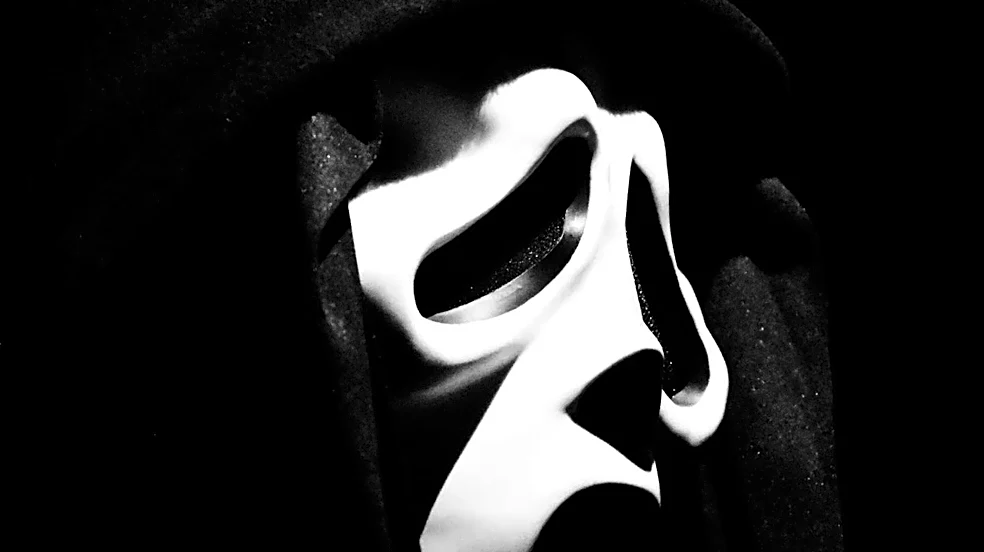
In the age of streaming, we have more choices than ever before, but this can lead to 'decision fatigue'. Scrolling through endless menus of new, unknown horror titles can be exhausting. Will this new movie be a masterpiece or a waste of two hours? Is it the 'right' kind of scary for your mood? Faced with this uncertainty, falling back on a trusted favorite is often the easiest and most reliable path to a good night. A film like 'Beetlejuice' or 'Scream' is a known quantity. You know you'll enjoy it, and it delivers the exact Halloween feeling you're looking for without the risk of disappointment. In a sea of content, the classics serve as lighthouses, offering a guaranteed safe harbor for our holiday viewing.