






The Autopilot Answers of L.A.
Spend enough time in Los Angeles, and you can predict the beats of a standard screenwriting panel. The advice, though well-intentioned, often feels like a paint-by-numbers guide to getting a foot in the door. It prioritizes marketability over meaning,
concept over character, and structure over soul. Writers are told to craft a high-concept idea that can be summarized in a single sentence, to write for a specific demographic quadrant, and to ensure their hero’s journey is emotionally resonant but not so specific it alienates a focus group. [18] The system is built on precedent; it wants what's familiar because what's familiar is perceived as a safer financial bet. [18] The result is an industry of gatekeepers looking for writers to execute *their* vision, not champion a new one. [15, 17] This process can lead to predictable stories where taking risks is discouraged in favor of formula. [17]
Storytelling as a Communal Celebration
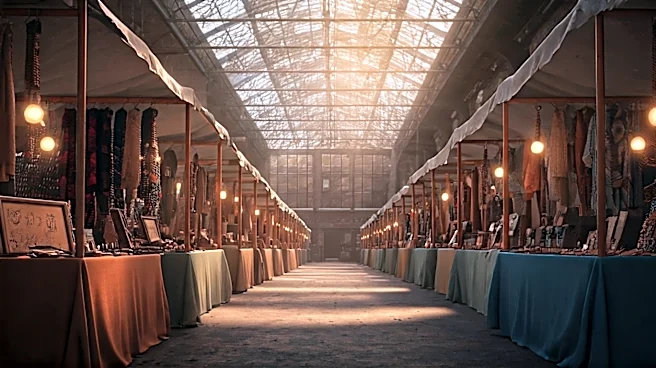
Essence Festival of Culture is a different world. It’s not just a music festival; it has become a sprawling, influential celebration of Black culture, commerce, and community. [1, 14] The daytime programming, which is free to attend, includes everything from a Global Black Economic Forum to a marketplace for Black-owned businesses, live podcast recordings, and extensive film and book festivals. [3, 6, 7] Storytelling here isn’t confined to a discussion of plot points. It’s a holistic experience that connects film, literature, entrepreneurship, and activism. [1, 10] The annual ESSENCE Film Festival, for instance, received over 600 submissions from global filmmakers this year, showcasing a huge demand for authentic Black storytelling across numerous formats. [8] The entire event is a living, breathing example of what it means to see a community fully and proudly in power, celebrating its own narratives. [6]
Lesson One: Start with Purpose, Not Plot
Where a Hollywood panel might ask, “What’s your logline?” the unofficial question at Essence Fest feels more like, “What’s your purpose?” The programming is explicitly designed to empower and explore issues relevant to Black communities. [4, 7] The book festival, curated by figures like investigative journalist Nikole Hannah-Jones and television creator Mara Brock Akil, focuses on historical truths, imaginative fiction, and how narrative shapes identity and culture. [10] Major studios like Disney and Prime Video attend to present work centered on multigenerational Black storytelling, such as a new Muhammad Ali biopic or a spinoff of the acclaimed series *Snowfall*. [2, 5] The lesson for screenwriters is to anchor their stories in a foundational “why.” Instead of starting with plot mechanics, the focus is on the cultural or personal mission of the story—a narrative rooted in catharsis, representation, and truth-telling, not just hitting the right beats at the right page count.
Lesson Two: The Audience Is the Community
In standard industry speak, the audience is often a target—a demographic to be captured. At Essence Fest, the audience is the community that the stories are built to serve. The interaction is not transactional; it’s relational. The festival’s daytime events are designed as a space for conversation, connection, and community engagement. [1, 7] When creators and cast members host discussions about their upcoming projects, they are speaking directly to the people whose lives and histories are reflected on screen. [2, 8] This creates an environment where authenticity is paramount because the audience has a deeply personal stake in the narrative. The takeaway is powerful: writing for a community, rather than at a demographic, fosters a deeper level of accountability and artistic integrity. It challenges the notion of a passive viewer and instead positions the audience as an active participant in the cultural conversation.
Lesson Three: Build Ecosystems, Not Just Scripts
Perhaps the most vital lesson is the emphasis on building a self-sustaining creative ecosystem. Essence Fest is a hub of Black enterprise, with dedicated spaces for entrepreneurs, digital creators, and podcasters to network and secure funding. [1] The Creator & Podcast Festival and the Global Black Economic Forum run alongside the film and book events, reinforcing the idea that storytelling is intertwined with ownership and economic justice. [1, 4] Stars like Issa Rae and Sanaa Lathan are involved in showcasing and judging new talent, helping the next generation bypass traditional barriers. [9] This teaches a crucial lesson: the goal isn’t just to write a script and sell it to a gatekeeper. It’s about building platforms, production companies, and distribution networks that ensure a continuous pipeline of authentic stories. It’s a shift from asking for a seat at the table to building a new one.