


The Runway Is a Mood Board, Not a Rulebook
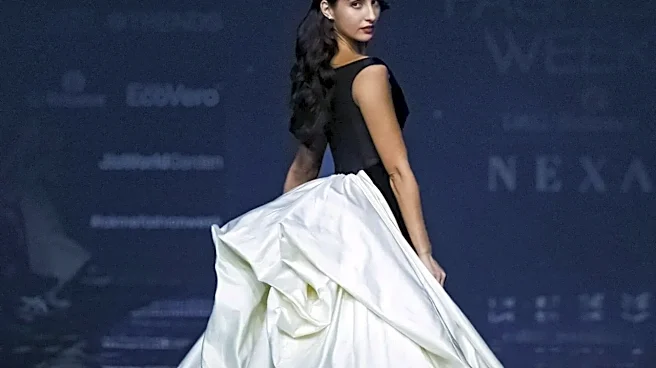
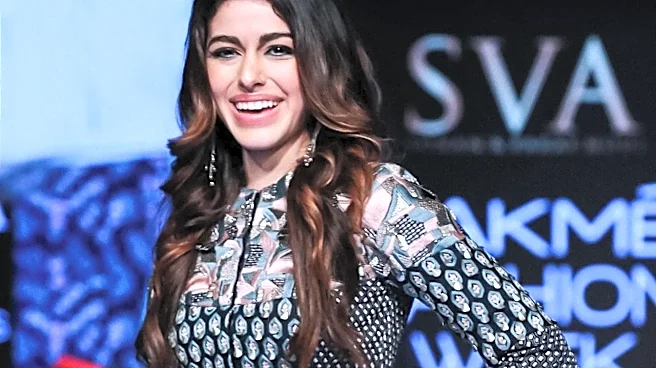
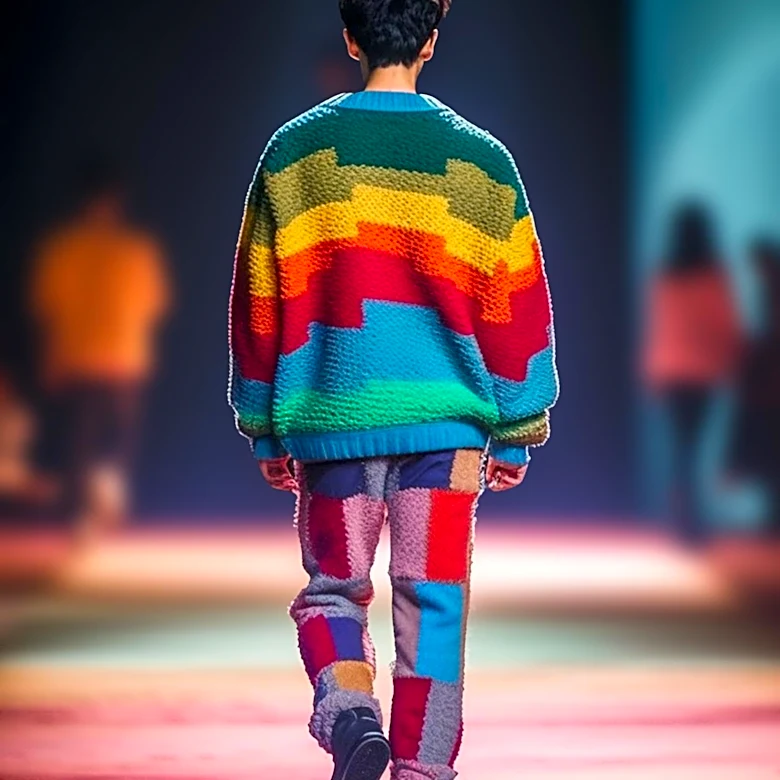
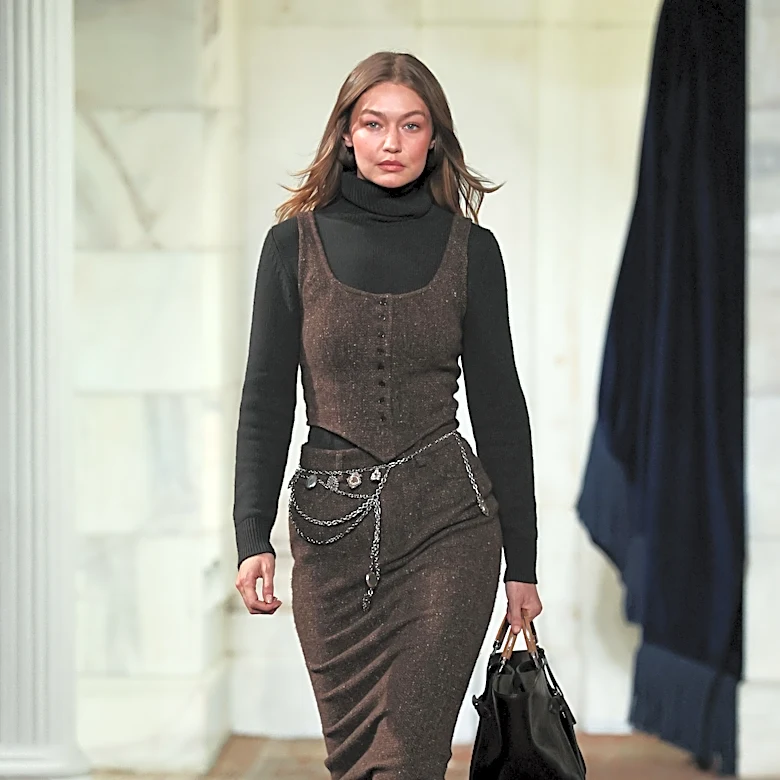
First, let's get one thing straight: almost nobody expects you to wear the head-to-toe, often bizarre-looking outfits from a runway show. Think of a designer's collection not as a literal set of instructions, but as a concentrated dose of ideas. Fashion
Week is a trade show where designers showcase their vision for the upcoming season. What buyers, editors, and trend forecasters are looking for are the key ingredients: a new silhouette, a specific shade of blue, the texture of a fabric, or a recurring motif like a brooch or a bow. The shows set a mood and introduce concepts that will be diluted and translated for a commercial audience. An extreme, asymmetrical dress on the runway might eventually inspire a wearable sweater with a slightly off-kilter neckline.
The Translators: Editors, Influencers, and Forecasters
The moment a collection appears on the runway, a whole industry of interpreters gets to work. Fashion editors from major publications and websites analyze dozens of shows, looking for repeated ideas that signal a larger trend. Is a certain shade of green appearing in multiple collections? Are designers favoring romantic, voluminous shapes? Simultaneously, influencers are live-posting photos and videos, giving their followers an instant look. This real-time commentary on social media platforms creates buzz and helps solidify which ideas have momentum. Behind the scenes, professional trend forecasting companies are also taking notes, compiling massive reports that brands from high-end to high-street will purchase to inform their own designs.
The Buyers: From 'Wow' Factor to Your Wardrobe
While the shows provide the spectacle, the real business often happens in private showroom appointments. This is where retail buyers—the people who decide what your favorite department store or boutique will stock next season—place their orders. These buyers are the crucial link between avant-garde creativity and commercial reality. They might see a dramatic, floor-length velvet coat on the runway and know it will create a stunning window display that draws customers in, even if most shoppers end up buying the more practical, basic sweater next to it. They filter the designers' big ideas through the lens of their specific customer, picking the elements they believe will actually sell.
The Downward Trickle: From Designer to Deal
This whole process is often called the 'trickle-down' theory. An idea starts at the highest, most exclusive level of fashion and gradually flows down to the mass market. A luxury brand like Calvin Klein or Tory Burch might introduce a new silhouette during NYFW. Mid-tier brands will then create their own interpretations, using more affordable materials. Finally, fast-fashion giants like Zara can take a concept from the runway and have a version of it in their stores in as little as two weeks. What began as a $5,000 designer jacket might become a $150 version at a department store and a $50 take at a fast-fashion retailer.
How Social Media Sped Everything Up
Historically, there was a six-month lag between a fashion show and the clothes arriving in stores. Social media has completely shattered that timeline. When a look goes viral on TikTok moments after it hits the runway, the demand becomes immediate. This has forced the entire industry to accelerate. Brands now talk about 'micro-trends' that can flare up and die down in a matter of weeks, driven by online buzz. It also creates a 'trickle-up' effect, where street style and trends started by ordinary users can influence what designers put on the runway in the first place, creating a much more complex and fast-paced conversation between what we see at Fashion Week and what we choose to wear every day.