





The Anatomy of a Narrative
Before a single golden statue is handed out, a story is told. This is the “awards narrative,” a powerful, often invisible script that shapes how voters, critics, and the public perceive a film or performance. Is an actor “due” for a win? Is a film the underdog,
the critical darling, or the undeniable frontrunner? These narratives are carefully built over months through interviews, festival appearances, and targeted media spots. They create momentum that can feel unstoppable. The entire season often feels like a political campaign, where every move is scrutinized and perception is reality. The goal is to make a particular outcome feel not just desired, but inevitable.
From Private Rehearsal to Public Spectacle
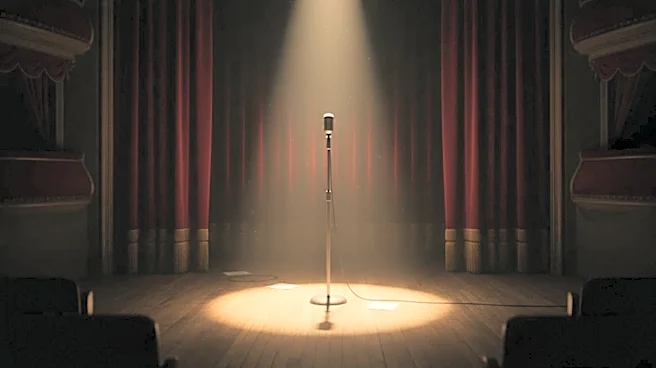
A table read is a foundational part of the filmmaking process. It’s typically a private affair where the cast and key crew gather to read the screenplay aloud for the first time. It’s a low-stakes environment for actors to find their characters and for writers to hear if their dialogue works. However, when you take this private event and put it on a public stage, it transforms into something else entirely. Events like Jason Reitman's popular "Live Read" series, which ran for years in Los Angeles, turned script readings into must-see events, often with all-star casts performing classic screenplays without rehearsal. This format strips away everything but the script and the performer, creating a unique and potent form of entertainment.
The Power of a Single Performance
So, how can a one-night-only, unrehearsed reading change an entire awards trajectory? By offering a jolt of raw authenticity. In a world of digital perfection and polished PR, a live read is immediate, electric, and unpredictable. It allows an actor to showcase their range in a completely new context. A comedic actor might read a dramatic role and reveal hidden depths, forcing industry voters to see them in a new light. An established star can remind everyone of their fundamental craft, free from the distractions of cinematography, editing, and score. It’s a high-wire act. There are no second takes, no special effects—just talent. This rawness can cut through the noise of a conventional campaign, creating a moment of genuine discovery for an audience and, more importantly, for awards voters.
Remixing a Classic, Reimagining an Actor
Public readings often feature beloved, classic scripts, which adds another layer to their power. When an actor steps into an iconic role for a live read—like when Seth Rogen read for The Dude in a reading of "The Big Lebowski" or an all-black cast performed "Reservoir Dogs"—it's not about imitation. It’s about reinterpretation. The audience gets to see a familiar story through a new lens, and the actor gets to play in a classic sandbox, showing off their instincts and creativity. This can be a brilliant strategic move. It can position an actor as someone with a deep appreciation for film history, someone who is more than just their last role. It separates them from the pack and attaches them to a legacy of great performance, subtly elevating their own stature in the current awards race.
More Than an Audition, It's a Statement
Ultimately, the public table read is more than just a glorified audition. It is a strategic disruption. Awards campaigns can become echo chambers, reinforcing pre-existing biases about which films and actors are “awards-worthy.” A standout live performance can shatter that echo chamber. It forces a reassessment. A script that was considered too difficult or a performance that was overlooked can suddenly be seen in a new, compelling way. In one famous instance, Quentin Tarantino, after a script leak of "The Hateful Eight," held a live read of the screenplay, which generated enormous buzz and likely helped convince him to ultimately make the movie. In the long, often cynical march toward awards night, these events provide a rare and valuable commodity: a new story to tell.