




The Rise of the Red Carpet Rewear
For decades, the unwritten rule of red carpet dressing was simple: never be seen in the same thing twice. It was a code that fueled a relentless cycle of production and consumption, turning high-fashion gowns into single-use items. But that's changing.
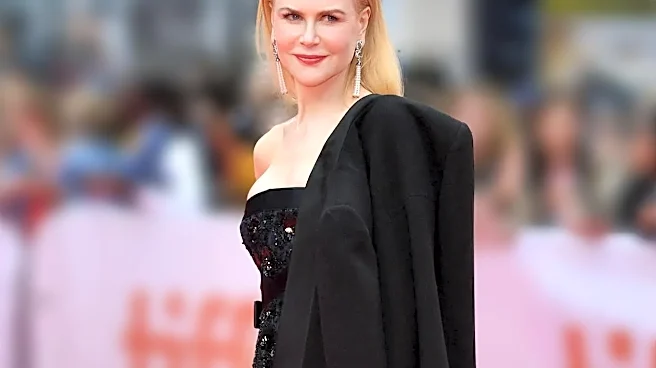
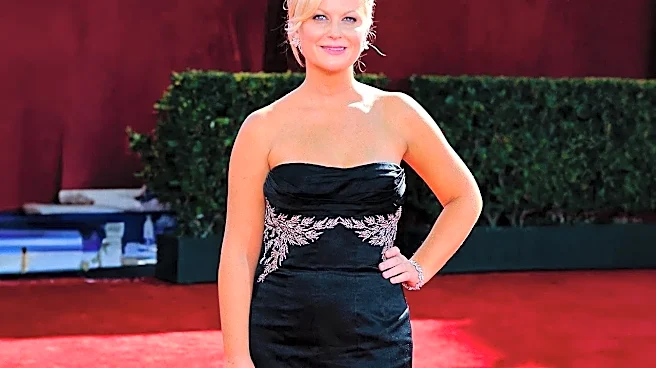
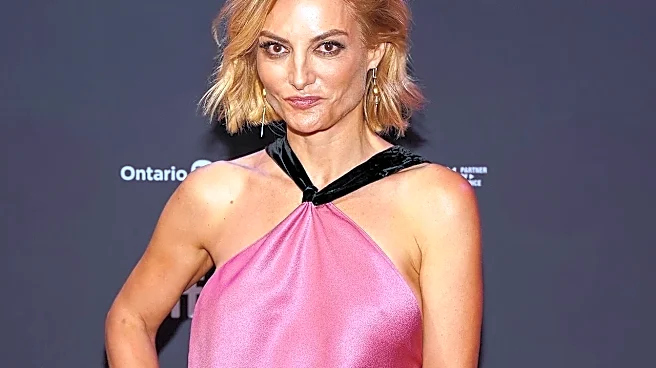
Now, when a celebrity like Cate Blanchett or Jane Fonda steps out in a dress they've worn before, it's not a fashion misstep; it's a deliberate statement. This trend, visible at major cultural events from the Oscars to TIFF, transforms an outfit from a mere commodity into a cherished object, shifting the focus from “what's new” to “what lasts.” It's a power move that reframes repeating an outfit from a faux pas to a conscious, stylish choice.
Beyond Nostalgia: A Statement on Sustainability
While there's a certain charm to seeing a beloved gown get a second life, the rewear trend is about more than just nostalgia. It’s a direct response to the fashion industry's sustainability crisis. The constant demand for newness has made fashion one of the world's most wasteful industries, with thousands of tons of textiles ending up in landfills. By re-wearing an outfit, stars use their massive platforms to challenge the logic of disposability. Figures like Tiffany Haddish, who proudly wore the same Alexander McQueen dress to multiple high-profile events, send a clear message: if you love something and paid good money for it, you should wear it as many times as you want. This normalizes the idea of valuing and reusing clothing, a concept that feels both radical on the red carpet and completely logical in real life.
Archive Pulls vs. Fresh Off the Runway
A cousin to the personal rewear is the rise of the “archive pull.” This is when a celebrity and their stylist select a vintage piece from a designer's past collections instead of a brand-new creation. We've seen this with stars pulling from the archives of iconic houses like Dolce & Gabbana or Givenchy for recent festivals. While not a rewear by the same person, it operates on a similar principle: it celebrates the enduring quality and artistry of older garments. This practice has become a sophisticated way for stars to make a unique statement, proving that classic fashion never goes out of style. It also subtly pushes back against the pressure for designers to produce an endless stream of new looks for every single red carpet event, promoting a circular mindset within high fashion.
How Hollywood's Shift Affects Your Wardrobe
It might seem like a movie star re-wearing a multi-thousand-dollar gown has little to do with the average person's closet, but the cultural impact is significant. For years, advertising and influencer culture have promoted the idea that our clothes are disposable and that repeating outfits is something to be avoided. When celebrities, the ultimate influencers, begin to defy this norm, it gives everyone else permission to do the same. This shift in mindset helps dismantle the stigma around outfit repeating. It encourages a more thoughtful approach to shopping, where we prioritize quality and personal style over fleeting trends. The rise of this trend aligns with a broader consumer interest in sustainability, seen in the popularity of clothing rental services and the growing desire to build a 'personal uniform' of well-loved, high-quality basics. Suddenly, wearing that same favorite dress to three different weddings doesn't seem like a compromise; it feels like a smart, stylish, and sustainable choice.