






The Art of Exasperation
Watch any Kevin Hart special, and you'll see a man pushed to his limits. Whether he's recounting an argument with his wife, a baffling encounter with his children, or a moment of profound disappointment with a friend, the core of the story is almost always
conflict. But it’s a specific kind of conflict: the low-stakes, high-frustration chaos of everyday life. Hart's comedic persona is that of a rational man trapped in an irrational world of his own making. He invites you into his life, makes you a fly on the wall during a moment of domestic tension, and then exaggerates the absurdity until it’s impossible not to laugh. He once explained that his process involves turning his experiences into relatable stories, noting that he's confident the audience isn't laughing at him, but at the shared experience.
Friends as a Content Engine
Perhaps the most fertile ground for Hart's material comes from his inner circle, particularly the group of friends he lovingly roasts as the "Plastic Cup Boyz." Comedians Joey Wells, Will "Spank" Horton, and Na'im Lynn are not just his buddies; they are a recurring cast of characters in the sitcom of his life. Stories about their antics, poor decisions, and the arguments they provoke form the backbone of some of his most memorable routines. In one special, he famously detailed the escalating absurdity of a night out that went wrong, with each friend contributing to the chaos in their own unique way. This "backstage conflict" is his content mine. He has even said that these friends challenge him and push him to constantly come up with new material so he doesn't fall off. By putting his friends on stage, both literally in their own comedy specials and figuratively in his stories, he turns personal relationships into a public narrative of loyalty and unending annoyance.
Mining the Home Front
The same formula applies to his family. Hart’s stories about his father's unconventional wisdom, his children’s baffling behavior, and marital squabbles are legendary. He turns a story about his daughter getting a pet into a saga of parental terror. An argument with his wife over a minor issue becomes a dramatic, high-stakes negotiation performed for thousands. This began early in his career, when a mentor encouraged him to move away from fabricated jokes and draw from his real life. He embraced using humor to cope with a challenging upbringing, turning stories about his family into a source of strength. This willingness to air his own domestic grievances makes his celebrity life feel incredibly grounded. He's not just a movie star; he's also a dad who's losing a fight with a seven-year-old and a husband who can never seem to get the last word.
The Formula for Relatability
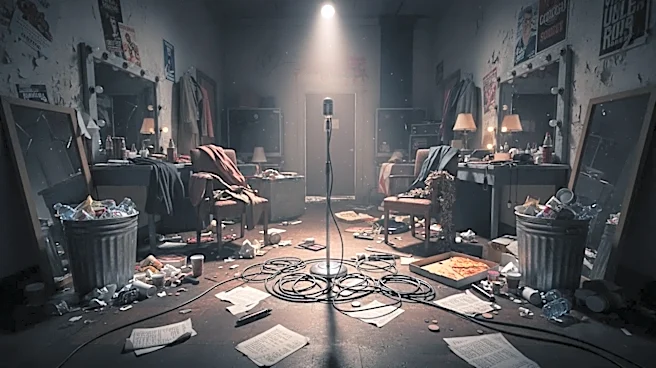
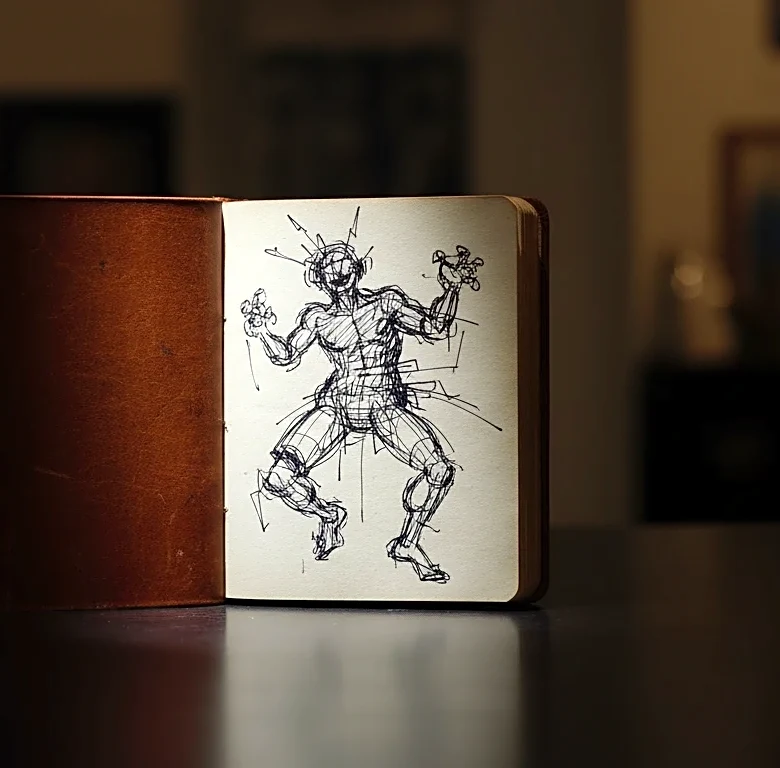
Ultimately, the reason this brand of conflict-driven comedy works is its profound relatability. The "backstage" in the headline isn't just the area behind a stage; it's the unglamorous, private moments of life. Hart's genius lies in his ability to take a specific, personal frustration and make it feel universal. We may not have a friend who tried to fight a bouncer for a lost hat, but we all have a friend who makes questionable decisions. We may not have a child who asks deeply philosophical questions at bedtime, but we've all been stumped by a kid. The conflict he presents is never truly malicious; it's born of love, familiarity, and the friction that naturally occurs when people spend too much time together. He’s not just telling jokes; he’s showing the story, using his entire body and voice to convey the pure, unfiltered frustration of a moment.