



An Actor’s Mount Everest
Casting the lead in 127 Hours was no small task. The very nature of the story—based on Aron Ralston’s memoir Between a Rock and a Hard Place—meant that a single actor would be on screen, alone, for the vast majority of the film. They would need to convey
terror, hope, regret, and physical agony, often without another person to act against. Director Danny Boyle needed an actor who could command the screen and carry an entire film while being almost completely stationary. He described his vision as "an action movie with a guy who can't move," a unique challenge that narrowed the field of potential leads considerably. The role demanded a performer with immense stamina and the ability to create a compelling inner world that audiences could connect with through subtle expressions and fractured monologues to a camcorder.
The Director's Frequent Collaborator
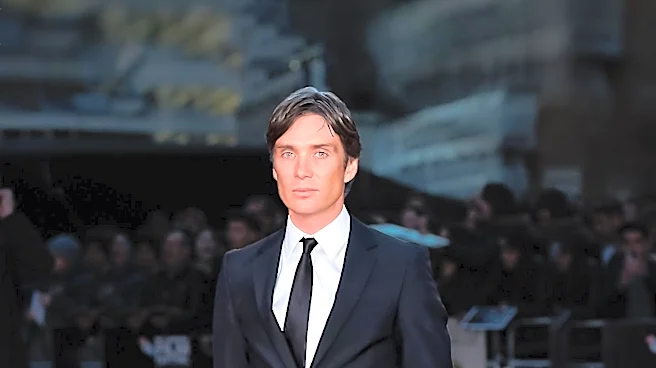
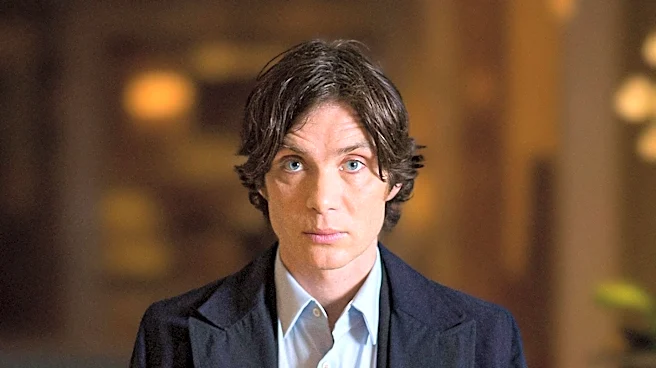
Before James Franco was even in the picture, Boyle had his eye on a familiar face: Cillian Murphy. Boyle and Murphy had a long and successful history, having worked together on the visceral horror film 28 Days Later and the sci-fi thriller Sunshine. Murphy was reportedly Boyle’s top choice to play Ralston. Their established rapport and Murphy’s proven ability to portray complex psychological states made him a logical and strong contender. Boyle knew he could push Murphy to the intense places the role required. However, for reasons that remain part of the quiet what-ifs of casting, the part ultimately went in another direction, though Murphy and Franco would later cross paths in an interesting way when Franco turned down a role in Inception, a film Murphy starred in, to make 127 Hours.
The Other A-List Contenders
While Boyle favored Murphy, other names were also circling the challenging role. Among the most prominent was Ryan Gosling, who was rumored to be in the running before Franco's casting was confirmed. At the time, Gosling was already known for his intense and immersive performances in films like Half Nelson. Sebastian Stan was also considered for the part. The consideration of multiple actors highlights the high-stakes nature of the casting process. It wasn't just about finding a talented actor, but finding the right persona to embody a real person who had survived an almost unbelievable ordeal. The studio and producers were looking for a star who could not only handle the dramatic weight but also attract an audience to a film with such a claustrophobic premise.
Enter James Franco
So, how did James Franco, an actor then perhaps better known for the Spider-Man trilogy and comedies like Pineapple Express, land the role of a lifetime? According to reports, Boyle was impressed by Franco's versatility, including his comedic work. There was also the matter of Franco's unique energy. Boyle reportedly noted that when Franco first came in, he seemed tired from juggling his acting career with university studies, a state that perhaps lent itself to the exhaustion the role demanded. Ultimately, Franco had a quality that both the director and the real Aron Ralston responded to. To prepare, Franco was given access to the actual video diaries Ralston recorded while trapped, offering an unfiltered and deeply personal window into the experience he would have to recreate. This commitment to authenticity became a cornerstone of the production.