



The 'Live Music Capital' Identity
For decades, Austin’s reputation as the “Live Music Capital of the World” hasn’t been about global superstars; it’s been about volume and vibe. The title, officially adopted in the 90s, was based on having more live music venues per capita than anywhere
else in the nation. It conjures images of Sixth Street bars, legendary blues clubs like Antone's, and a culture where musicians could hone their craft in front of engaged crowds. This identity is built on a foundation of discovery—the idea that on any given night, you could stumble upon the next big thing in a small, packed room. It’s a brand rooted in authenticity, a bit of grit, and a fiercely independent spirit that has defined the city long before the tech booms and skyline transformations.
A Lineup Built for the World Stage
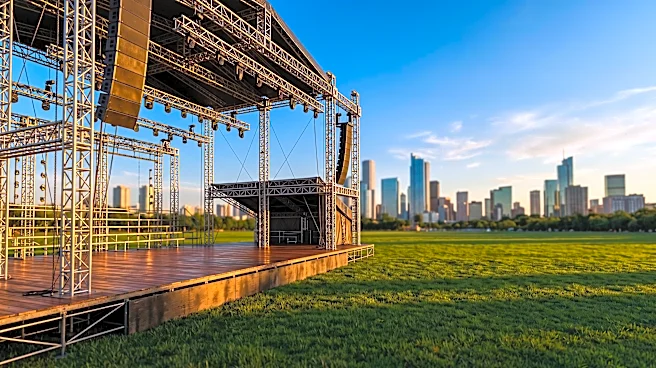
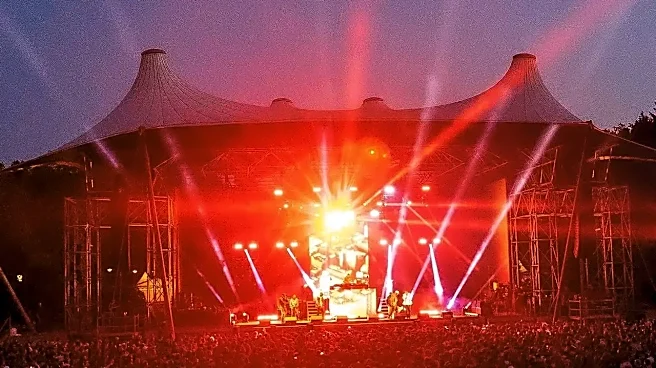
Then comes ACL. Spread over two weekends in Zilker Park, the festival is a completely different beast. The 2026 lineup, marking its 25th anniversary, is a masterclass in modern festival booking, engineered for mass appeal. Headliners like Charli XCX, Lorde, RÜFÜS DU SOL, and Twenty One Pilots represent the pinnacle of contemporary pop, indie, and electronic music. It’s a bill designed not just for Austinites, but for a global audience that travels for the experience. The inclusion of chart-toppers and viral sensations reflects a strategic choice to compete with giants like Coachella and Lollapalooza. While some longtime attendees may miss a heavier rock focus, the current direction embraces the evolution of music consumption, where genres blur and internet culture often dictates who draws the biggest crowds.
More Than Just Music
The true connection between local Austin and global pop at ACL happens beyond the main stages. This is where the festival's curation gets smart. The ACL Eats food court is a festival in itself, showcasing iconic local brands from Franklin Barbecue to Torchy's Tacos. This gives tens of thousands of visitors a literal taste of Austin's celebrated culinary scene. The festival also integrates local art, community organizations, and sustainability initiatives that reflect the city's progressive values. By creating an experience that feels distinctly "Austin"—even when a global pop star is on stage—the festival acts as a cultural ambassador. It packages the city's vibe for a worldwide audience, making the local scene an integral part of the premium festival experience they’ve paid for.
The Billion-Dollar Handshake
Ultimately, the relationship is powered by a massive economic engine. ACL is a commercial juggernaut that injects hundreds of millions of dollars into Austin's economy each year. The 2025 festival, for example, contributed over $557 million and the equivalent of thousands of full-time jobs. Since 2006, the festival's total economic impact has exceeded $4.7 billion. A significant portion of every ticket also goes to the Austin Parks Foundation, funding improvements across the city. This financial symbiosis is the core of the compromise. The festival gets to use Austin's coveted cultural brand and beloved Zilker Park as its backdrop, and in return, the city receives a colossal economic boost and funds to maintain its public spaces. For a city grappling with affordability issues that threaten its creative class, that infusion is more critical than ever.