


It’s Not About the Information, It’s About the Ritual
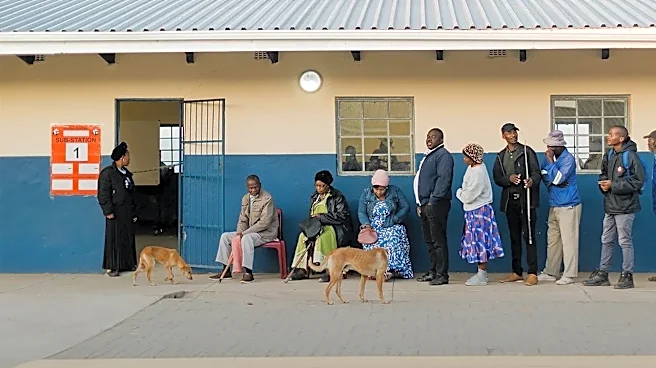
The first thing to understand is that the wait itself is the point. For dedicated fans, queuing isn't a bug; it's a feature. Humans are ritualistic creatures, and these long waits have become modern-day pilgrimages. Whether it’s for a new iPhone, a Supreme
drop, Taylor Swift tour tickets, or a historic Supreme Court decision, the act of showing up physically transforms a piece of news from a passive notification into an active, earned experience. This shared hardship—braving the elements, swapping stories, speculating together—builds a powerful sense of community and solidarity. It’s a way of signaling commitment, not just to the artist or brand, but to the collective identity of the fandom itself. The wait becomes a sacred activity, set apart from the mundane, everyday act of scrolling through a feed.
The Search for ‘Collective Effervescence’
There’s a sociological concept called “collective effervescence,” a term coined by Émile Durkheim over a century ago to describe the electric buzz of a group united in a shared purpose. It’s the feeling of individual boundaries dissolving into a unified, emotional whole. You can’t get that from a push alert. That tangible energy—the roar when the doors finally open, the collective gasp at a surprise announcement, the shared joy (or even disappointment)—is a deeply human experience that digital interfaces can’t replicate. This communal emotion reinforces a sense of belonging and validates a fan's passion. Being in the crowd isn’t just about seeing the thing; it’s about feeling it with everyone else.
The Currency of ‘I Was There’
In our hyper-documented world, physical presence has become a form of social currency. Being able to say “I was there” carries a weight that “I read about it” simply doesn’t. It separates the dedicated fan from the casual observer. The hours spent waiting are a testament to one's devotion, a story to be told later. That effort creates a more powerful memory and a stronger sense of ownership over the event. Psychologically, effort justifies value; the harder something is to obtain, the more we cherish it. The reward isn't just the news or the product; it's the status and story that come with the ordeal of acquiring it. This is why people will queue for days for events like Wimbledon or major gaming conventions—the queue itself becomes part of the legendary experience.
An Antidote to Digital Isolation
Ironically, the same technology that makes information instant has also left many people feeling more disconnected. Online fandoms, while vibrant, can sometimes feel disembodied. The physical line offers a powerful antidote. It’s a space for real-life interaction with people who implicitly understand your passion. Starting a conversation is easy because you already have a powerful shared interest. These impromptu communities provide a sense of togetherness and support that combats the loneliness of the digital age. In a world where so much of our social lives are mediated by screens, the simple, tangible act of standing next to someone who “gets it” is more appealing than ever. It's a temporary escape from the real world into a space where your specific passion is the norm.