
Selling a Vibe, Not Just a Story
Forget a simple movie poster or a panel with actors. The new frontier in fan event marketing is about creating a tangible connection to a new world. Studios are spending enormous sums to build elaborate,
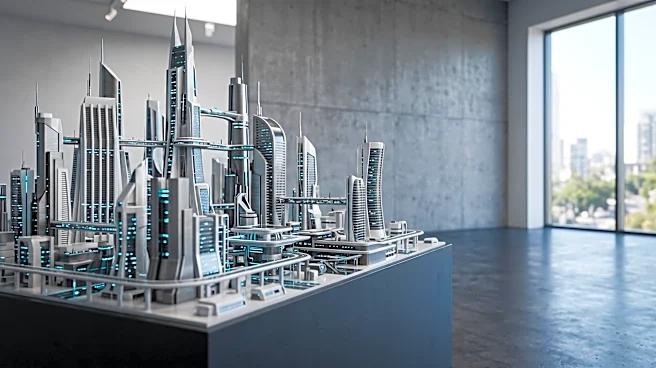
interactive experiences on and off the NYCC show floor. The strategy is simple: let fans walk through a set, hold a prop, or see a hero's costume up close. This creates a powerful sense of place and a personal memory that a trailer alone can't match. It's a shift from selling a narrative to selling an atmosphere. This approach is especially effective for sci-fi and fantasy properties, where the universe is as much a character as the protagonists. By the time a trailer drops, these fans have already emotionally invested in the world's aesthetic, making them more receptive to whatever story follows.
Blade Runner's Dystopian Playground
This year, Amazon's upcoming 'Blade Runner 2099' series provided a masterclass in this technique. Instead of just showing footage, they constructed a multi-level off-site experience that plunged attendees directly into the neon-drenched, dystopian Los Angeles of the future. Fans could navigate a bustling street market, interact with actors playing replicants, and step into a nightclub ripped straight from the screen. While the panel featuring the cast and producers offered some hints, the immersive activation did the heavy lifting. It established the show's tone, scale, and visual language without giving away major plot points. Attendees left with photos and, more importantly, a feeling of having physically been inside the Blade Runner universe, generating far more organic social media buzz than a simple Q&A ever could.
Marvel's Gallery of the Mind
Marvel took a more conceptual but equally effective approach for its upcoming Disney+ series, 'VisionQuest'. An off-site art gallery invited fans to explore the history and fractured memories of the synthezoid Avenger. The exhibit, titled 'To err is human, to 404 error is machine,' showcased key moments from Vision's past in the MCU, hinting at what was lost and what remains as he searches for his humanity. This served as a mood piece, using visual identity as world-building, a theme explicitly discussed in NYCC's professional marketing panels. For fans, it was an emotional and artistic journey rather than a plot summary. It focused on the 'why'—Vision's internal struggle—before a trailer reveals the 'what' and 'how' of the new series.
The Psychology of the Tangible
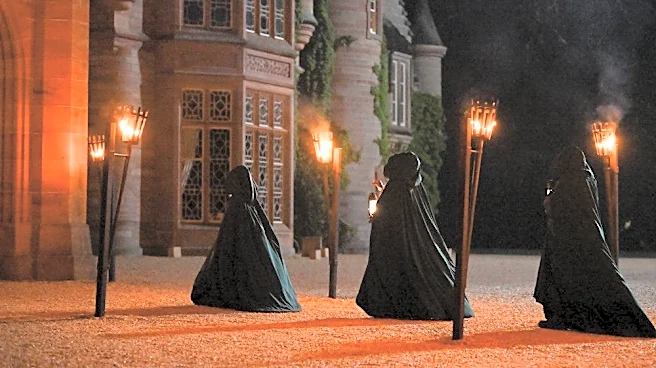
This marketing strategy works because it taps into the core of fan conventions: community and passion. Seeing a real costume from a beloved franchise or walking through a recreation of a fictional location transforms a passive viewer into an active participant. It creates a personal connection and a sense of ownership. In a crowded media landscape, studios understand that building a loyal audience early is critical. These immersive experiences are designed to be shared online, turning attendees into brand ambassadors. A photo of a fan posing in a set from Peacock's 'Crystal Lake' prequel series or next to a Gundam statue does more to signal a show's aesthetic and quality than a press release ever could. It’s a declaration that the studio cares about the details, which in turn makes fans care more about the final product.