






The Shifting Landscape
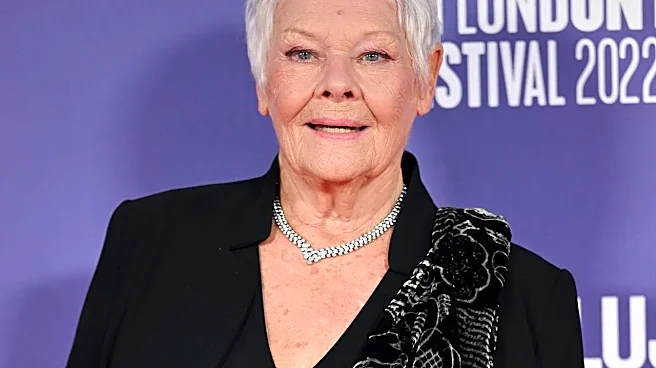
Let's get the big picture out of the way: the film industry is in a state of flux. Following major Hollywood labor strikes that previously disrupted production and promotion, the ecosystem of blockbuster premieres has changed. While A-list stars like
Penelope Cruz are still walking the red carpet, the festival's overall slate feels less reliant on massive, studio-backed awards bait. Furthermore, some fans and critics have noted rising ticket prices, leading to questions about the festival's direction. This combination of factors has forced TIFF, like other major festivals, to recalibrate. Instead of trying to be the biggest, loudest party, it's leaning into a new identity: smarter, leaner, and more focused.
Curation Over Saturation
In previous years, a common complaint about TIFF was its overwhelming size. With hundreds upon hundreds of films, many great works inevitably got lost in the noise. This year, the program feels more deliberate. With a lineup of around 293 films, the selection is still massive, but there's a palpable sense of curation at play. Organizers have openly discussed a shift in focus, aiming to meet a growing demand from younger audiences for experiences beyond mainstream Hollywood offerings. This isn't about scarcity; it's about clarity. Every film selected for a prestigious slot, like the expanded 12-film Platform competition for emerging auteurs, now has a better chance to make an impact and find its audience.
A Renewed Focus on Discovery
With fewer blockbuster monoliths sucking up all the oxygen, TIFF 2026 has become a fertile ground for discovery. The festival is putting a heavy emphasis on global cinema, with its Centrepiece program alone featuring 54 titles from 50 different countries. This creates a thrilling environment for film lovers, where a relatively unknown director from Colombia or Thailand can generate just as much buzz as a household name. The festival is also making a significant push for Canadian filmmakers, with 61 domestic productions on the slate and a new, government-backed film market designed to finance the next generation of storytellers. This pivot away from being solely a launchpad for Oscar campaigns and toward becoming a true international marketplace of ideas is one of the festival's most significant moves.
The Business of the Future
Perhaps the biggest innovation at TIFF 2026 is the formal launch of TIFF: The Market, a massive industry hub designed to facilitate dealmaking, packaging, and financing. Supported by a significant investment from the Canadian government, this initiative repositions Toronto not just as a place to premiere movies, but as a critical venue to get them made. With over 6,000 industry delegates and hundreds of buyers expected, the market is a direct response to a changing industry where finding financing for original stories is paramount. This focus on the business of film—especially independent and international projects—ensures TIFF's relevance for years to come, moving it from a glamorous showcase to an essential engine for the global film economy.