








The Power of the Statement
Before they’ve even played a single professional minute, NBA draftees understand they are building a brand. The draft night suit is their opening statement. It’s a chance to telegraph personality—be it the quiet confidence of a classic tuxedo or the bold
ambition of a jewel-toned, custom-embroidered masterpiece. In a sea of nervous prospects, a memorable suit is a strategic tool for differentiation. Think of players like Jalen Green’s sparkling, cropped silver suit or Shai Gilgeous-Alexander’s floral-print statement. These aren’t just outfits; they are declarations of arrival. The goal isn’t merely to be seen, but to be remembered as someone with confidence, flair, and a distinct point of view. A loud suit screams, “I’m not afraid of the spotlight.” It’s a visual promise of the excitement and star power they plan to bring to the league.
Defining 'Quiet Grooming'
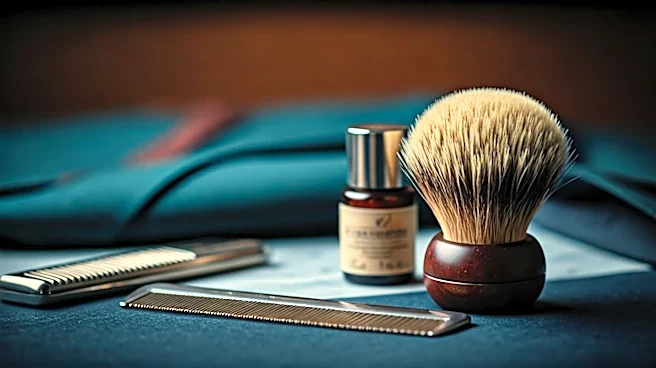
So, if the suit is shouting, what keeps the whole look from becoming a chaotic mess? The answer lies in the almost invisible details of “quiet grooming.” This isn’t about flashy diamond earrings or an ostentatious watch, which would just add to the noise. Instead, it’s about a foundation of impeccable polish that serves as the silent anchor for the entire look. Quiet grooming means a flawless, razor-sharp haircut that perfectly frames the face. It’s meticulously maintained facial hair—or a perfectly clean shave. It’s clear, healthy skin that looks radiant under the harsh television lights. It’s clean, buffed, and filed nails. These elements are non-negotiable. They communicate discipline, precision, and attention to detail—qualities highly valued in a professional athlete. This silent grooming acts as the elegant, sturdy canvas upon which the wild art of the suit can be painted. Without it, the suit wears the man, not the other way around.
The Stylist as Grand Conductor
Few top prospects are making these decisions alone. The rise of the athlete stylist has transformed draft night into a masterclass in personal branding. Professionals like Jhoanna Alba or Kesha McLeod aren’t just picking out clothes; they are orchestrating a complete visual narrative. They work with draftees for months, understanding their personality and the story they want to tell. The stylist’s genius is in their ability to balance the equation. They know that if they’re putting a client in a custom suit made from iridescent fabric, the grooming has to be dialed back to zero. They’ll advise against busy jewelry, opting instead for a single, meaningful accessory like a lapel pin or a family heirloom watch worn discreetly. They ensure the fit of the suit is surgically precise, because even the loudest pattern looks cheap if the shoulders are slumped or the trousers are puddling. The stylist is the conductor, ensuring every instrument in the orchestra—from the suit to the skin—is playing in harmony.
When the Balance Is Off
The importance of this balance becomes glaringly obvious when it’s ignored. A player might have an incredible, eye-popping suit, but if it’s paired with an equally loud hairstyle, chunky chains, and an oversized watch, the effect is diluted. The eye doesn’t know where to look. Instead of looking bold and confident, the player can look like they’re wearing a costume, overwhelmed by their own accessories. The message becomes one of confusion, not confidence. The individual elements might be expensive or stylish on their own, but together they create visual static. This is the key insight: the loudest suit doesn’t just allow for quiet grooming; it *requires* it. The minimalism of the grooming is what gives the maximalism of the suit its power and sophistication. One element must serve the other. True style isn’t about wearing the most things; it’s about wearing the right things in the right combination.