


The Tunnel Becomes the Runway
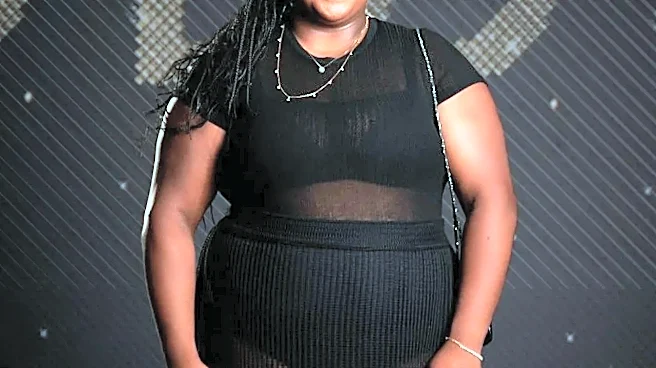
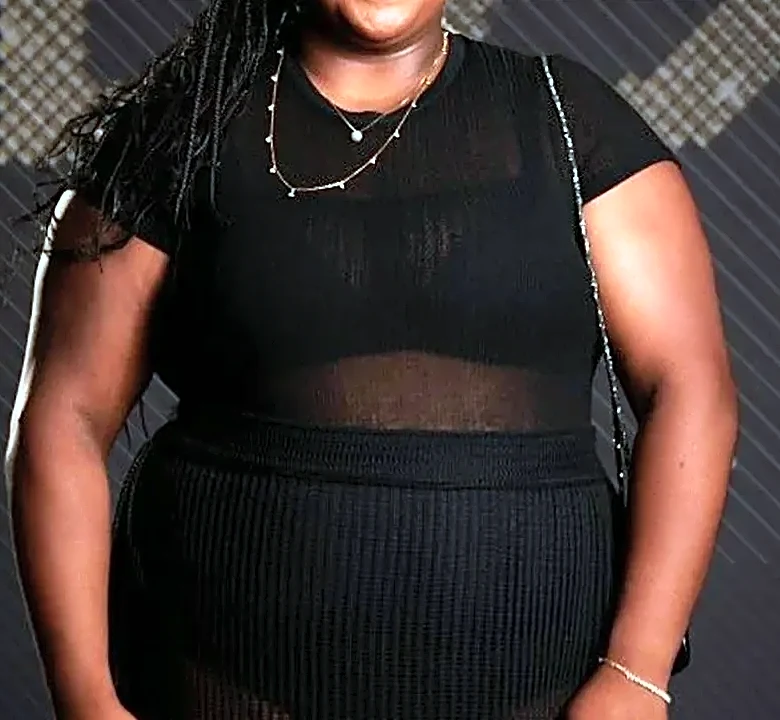
Not long ago, a player arriving for a game was a non-event, often marked by team-issued sweatsuits. Today, it’s a full-blown fashion moment. The 'tunnel walk' has evolved into a platform where WNBA and top college players showcase their distinct styles,
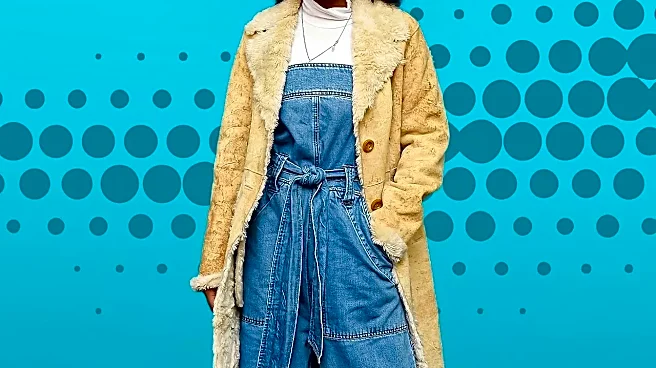
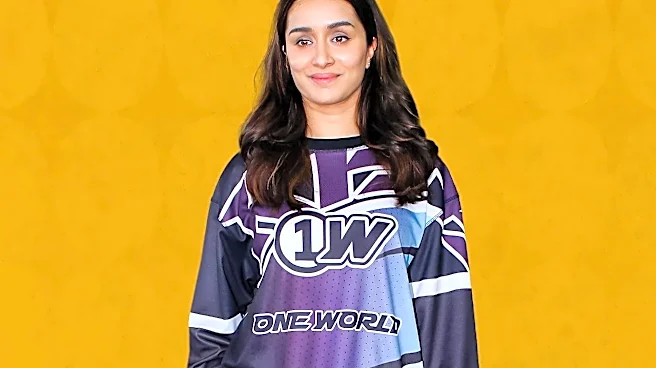
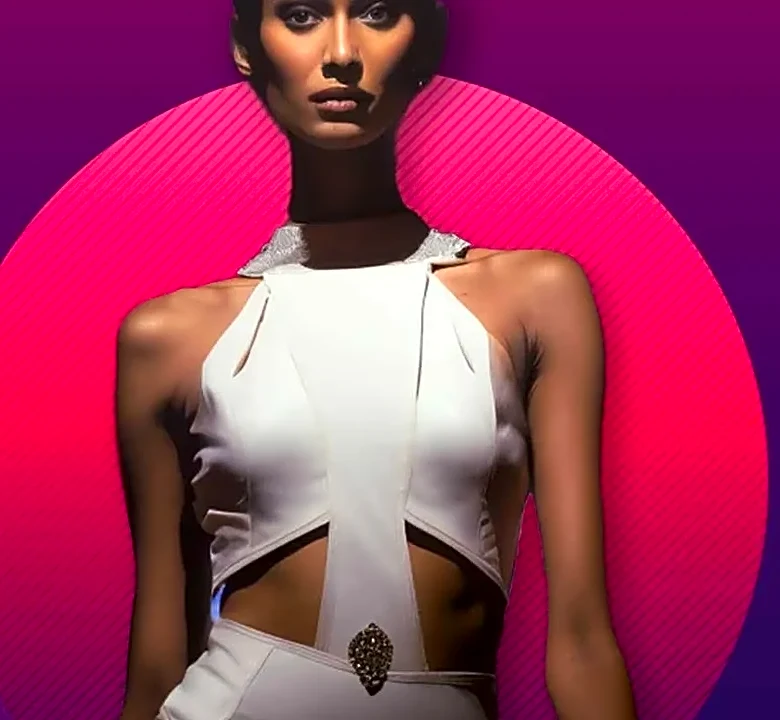
from streetwear to high fashion. This phenomenon, dubbed 'courtside couture,' is now a celebrated pre-game ritual, with fans and media eagerly awaiting what stars will wear before they even step on the court. Players like Angel Reese, known for her bold, high-fashion looks, and Caitlin Clark, with her mix of luxury brands and personal touches like friendship bracelets, consistently generate buzz with their arrivals. Veterans like A'ja Wilson and Skylar Diggins-Smith also use the tunnel to express their evolving styles, working with professional stylists to curate their looks. The outfits are diverse, ranging from custom designer pieces to edgy streetwear, reflecting each athlete's personality and turning the walk to the locker room into a declaration of identity.
More Than a Game: The Drivers of the Trend
This sartorial shift isn’t happening in a vacuum. It’s a direct reflection of the explosive growth in women's basketball's popularity and the newfound financial empowerment of its stars. The arrival of a highly anticipated rookie class, including players like Clark, Reese, and Azzi Fudd, has brought unprecedented viewership and media attention to the WNBA. Simultaneously, the NCAA's Name, Image, and Likeness (NIL) rule change in 2021 has been a game-changer for college athletes. For the first time, student-athletes can profit from their personal brand through endorsements and partnerships, with apparel being a leading category. This financial independence allows them to invest in their style and partner with brands, turning fashion into a crucial component of their off-court careers. Players are no longer just athletes; they are influencers and entrepreneurs building brands that extend far beyond their performance in the game.
The Business of Looking Good
For many players, fashion is serious business. Top athletes are now collaborating with professional stylists who help craft their public image. A'ja Wilson works with stylists like Amadi Brooks and Casey iCon Billingsley to create looks that are sophisticated and reflect her status as a best-selling author and champion. Caitlin Clark has been dressed by Prada and works with stylist Doni Nahmias on her looks. This has opened the door for major fashion houses, with brands like Coach, Louis Vuitton, and Alexander McQueen becoming staples on the WNBA's orange carpet and in the tunnels. These partnerships are mutually beneficial: players gain lucrative endorsements and a bigger platform, while brands tap into a loyal and highly engaged fanbase. Angel Reese, who has collaborated with Victoria's Secret and won Style Influencer of the Year, exemplifies this new model of athlete-as-brand-ambassador, seamlessly moving between the court and the runway.
A Statement of Power and Visibility
Ultimately, courtside couture is about more than just clothes; it’s a powerful statement about visibility, confidence, and respect for women's sports. For years, the NBA tunnel walk has been a recognized cultural space for male athletes to express their style. Now, WNBA players are claiming that same space, using fashion to challenge stereotypes and assert their star power. By presenting themselves as multifaceted individuals with interests and influence beyond basketball, they are demanding to be seen as cultural figures in their own right. This visual transformation parallels the league's own evolution, reflecting growing salaries, chartered flights, and record-breaking viewership. The polished, deliberate, and often high-fashion looks communicate a new level of professionalism and celebrity, sending a clear message that women's basketball has arrived, both on and off the court.