

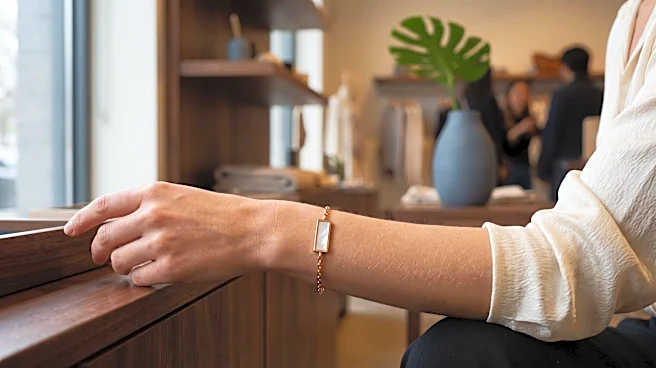
The Silhouette Shifter
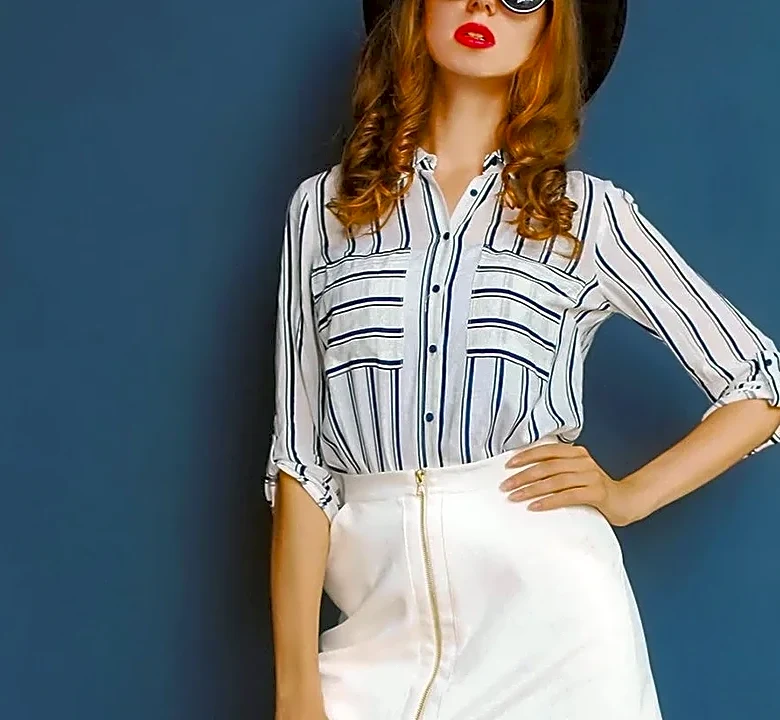
A tunic’s defining feature is its length, typically falling somewhere between the hip and the knee. This is its superpower. Unlike standard-length tops that cut the body in half, a tunic creates a longer, more fluid line through the torso. This seemingly
simple change completely alters an outfit's proportions, often making you appear taller and leaner. However, this effect hinges on one crucial principle: balance. The volume and length on top must be counteracted by a streamlined bottom half. While tunics offer comfort and coverage, they can look boxy or overwhelming if not styled with intention. The goal is to let the tunic skim the body, not swallow it, creating a look that’s both relaxed and structured.
Mastering the Bottom Half
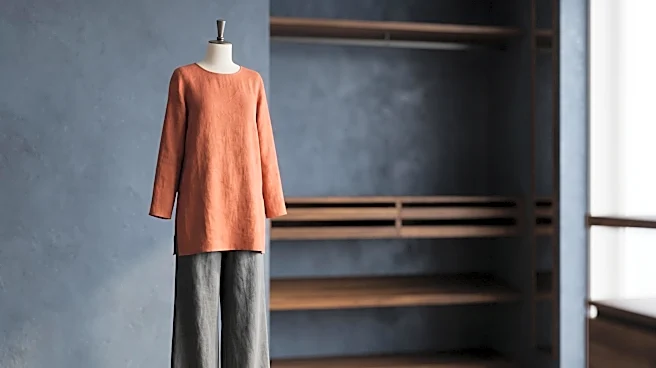
The fastest way to throw off a tunic outfit is by pairing it with the wrong pants. Since tunics add volume and length, the bottom layer needs to be slim and fitted to maintain balance. Think of it as a simple equation: loose top plus fitted bottom equals a successful silhouette. Skinny jeans and leggings are the most classic and foolproof partners for a tunic. Their narrow shape contrasts with the tunic’s flow, creating a sleek, elongated leg line. Straight-leg trousers or slim-cut dress pants can also work beautifully, especially for a more polished or office-appropriate look. The one thing to avoid is pairing a relaxed-fit tunic with wide-leg pants or baggy jeans; the combination of volume on top and bottom can quickly look frumpy and shapeless.
The Art of the Outer Layer
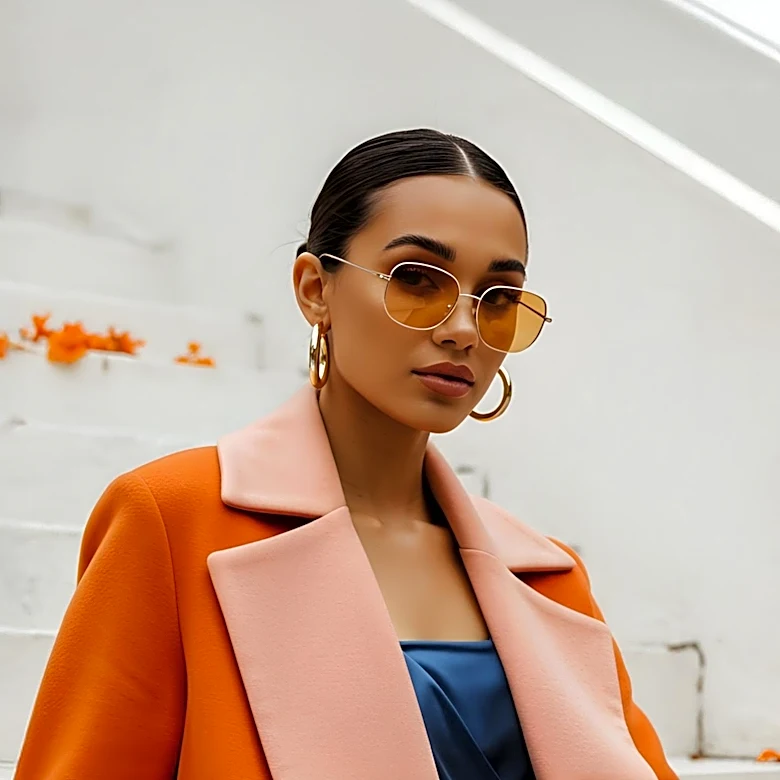
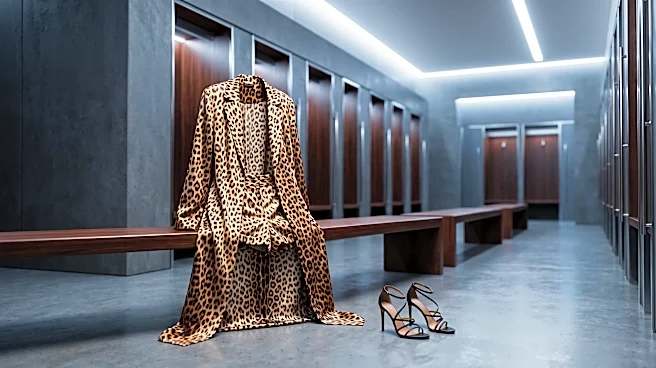
Layering a jacket or cardigan over a tunic requires careful attention to length. A common mistake is wearing a shorter jacket that ends above the tunic's hem, which can create an unflattering horizontal line across the hips. The most reliable rule is to ensure your outer layer is either significantly shorter than the tunic (like a cropped jacket that defines the waist) or just as long—or longer—than the tunic itself. A waist-length denim jacket can look great over a more fitted tunic, as it helps create an hourglass shape. For a cohesive and elongating effect, a longline cardigan or coat that matches or exceeds the tunic's length is an excellent choice. This creates a continuous vertical line that is both slimming and sophisticated.
Finishing Touches That Define
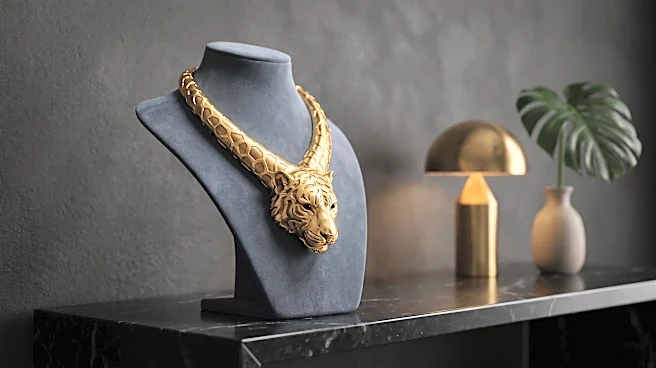
Accessories are the final step in refining a tunic-based outfit. Because tunics can sometimes hide your natural shape, accessories can help bring definition back. A belt is one of the most effective tools for this. Cinching a belt over a flowy tunic at your natural waist instantly creates curves and prevents the garment from looking like a tent. Even a soft tie belt can provide subtle shaping. Jewelry also plays a role in directing the eye. A long pendant necklace, for example, draws the eye downward, reinforcing that long, vertical line you want to create and breaking up the expanse of fabric. Finally, your choice of footwear matters. Shoes that help lengthen the leg, such as pointed-toe flats, ankle boots, or simple heels, will complement the tunic’s proportions perfectly.