





The Ending We All Remember
To understand what changed, we have to remember what stayed. Frank Darabont’s 1999 film ends on a note of profound, lingering sorrow. The gentle giant John Coffey (Michael Clarke Duncan), a man with the divine power to heal, is executed for a crime he did
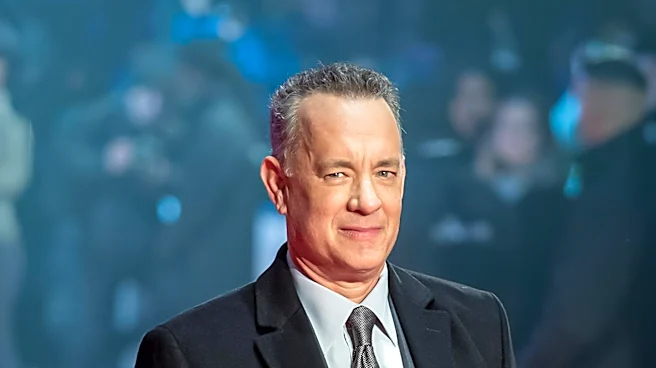
not commit. He goes to his death willingly, tired of the world's cruelty. The prison guard who befriended him, Paul Edgecomb (Tom Hanks), is left to live an unnaturally long life, a side effect of Coffey’s healing touch. In his old age, Paul reflects on his extended existence as a curse, forced to outlive everyone he has ever loved, including the little mouse Mr. Jingles, who also shared Coffey's gift. It is, in his words, his own green mile.
Stephen King’s Original, Darker Vision
If you thought the movie’s ending was bleak, Stephen King’s 1996 novel goes a step further to twist the knife. Most of the events play out similarly: Coffey is executed, and Paul is left with his long life. However, King adds another layer of tragedy that the film chose to omit. In the book, the elderly Paul reveals that his beloved wife, Jan, died years after Coffey’s execution in a horrific bus accident. As she died in his arms, Paul experienced a vision of John Coffey’s ghost watching the scene, a haunting reminder of his helplessness. This detail frames Paul's long life not just as a lonely penance, but as a series of recurring, unbearable losses, each one compounding his initial failure to save an innocent man.
The Director's Choice
So why did director and screenwriter Frank Darabont make the change? While Darabont has spoken at length about his desire to remain faithful to King's voice and characters, he also understood that film is a different medium with different demands. Adapting a novel requires choices about pacing, tone, and what an audience can emotionally withstand. The movie already asks viewers to endure the execution of a saintly, innocent man. Adding the explicit, brutal death of Paul’s wife in a flashback might have been deemed too much, a moment of nihilism in a story that, despite its darkness, still grapples with themes of miracles and grace. By focusing Paul’s final monologue on his loneliness and the loss of his friend Elaine at the nursing home, the film keeps the tragedy personal and contained, rather than expanding it into another shocking, visceral event.
A Tale of Two Endings
Interestingly, King himself was on board with the adaptation, having granted Darabont first-dibs on the rights after the massive success of their previous collaboration, The Shawshank Redemption. The change wasn't a rejection of King's work but an interpretation for a different format. The book’s ending delivers a final, shocking blow that is incredibly effective on the page, reinforcing the relentless nature of Paul's curse. The film, on the other hand, opts for a more melancholic and philosophical conclusion. The quiet, heartbreaking scene of the elderly Paul musing on the fate of Mr. Jingles and his own mortality provides a sense of solemn closure. It allows the audience to sit with the existential weight of Paul's punishment without being jolted by another sudden tragedy. Both endings serve their respective stories perfectly, highlighting the art of adaptation and the subtle shifts that can change a story's emotional impact.