





The Brady Standard: A Mountain of Rings
In the United States, the argument for the Greatest of All Time—the GOAT—often begins and ends with championships. Tom Brady is the undisputed archetype of this model. His seven Super Bowl rings represent a level of sustained dominance and clutch performance
that is almost impossible to comprehend. For two decades, he was not just a player but the system, the culture, and the engine of a dynasty. His greatness is measured in volume: wins, passing yards, MVP awards, and, above all, titles. He climbed the mountain so many times, we lost count. This is the lens through which many Americans view athletic legacy; it’s a ledger of overwhelming, quantifiable success.
The World Cup Anomaly: One Trophy to Rule Them All
Now, let’s talk about the World Cup. It isn’t an annual affair. It’s a quadrennial global event where national pride, geopolitical subplots, and sporting legacy collide. A player might only get three or four chances to compete in their entire career. The pressure is immense, and the stage is unparalleled. In soccer, winning the World Cup is not just another trophy; it is the crowning achievement that can single-handedly elevate a player into the pantheon of gods. Unlike Brady’s annual campaign for a title, the World Cup is a fleeting, precious opportunity. A month of transcendent play can eclipse a decade of club-level excellence. This is why a single World Cup trophy, for many, weighs more than a cabinet full of league titles.
Case Study: Messi's Final Summit
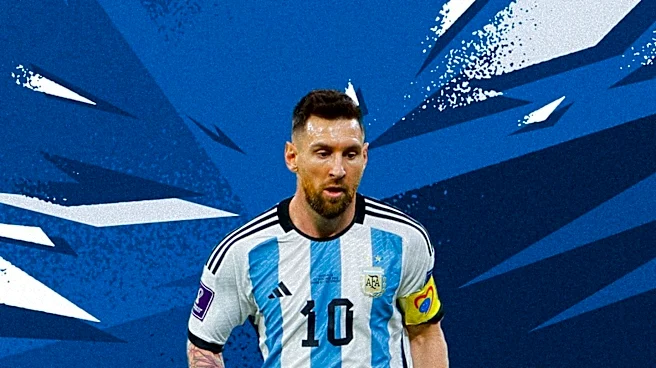
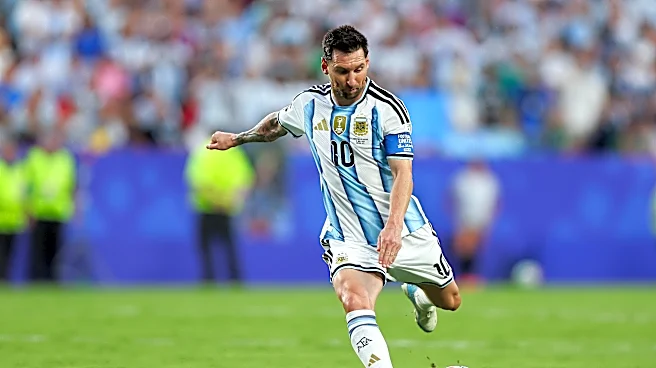
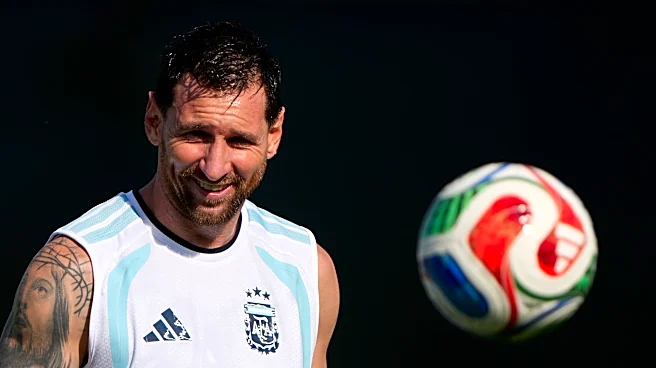
Lionel Messi’s career is the ultimate example of this dynamic. For years, despite winning everything imaginable at the club level with Barcelona, the knock on him was his inability to deliver a World Cup for Argentina. His journey was a long, often painful quest for that one missing piece. When he finally led his nation to victory in 2022, it was seen not as another win, but as the completion of his legacy. One World Cup defined him in a way his dozens of other trophies could not. It was a narrative climax that Brady, with his steady accumulation of rings, never needed. For Messi, it wasn't about the quantity of peaks climbed, but about reaching the one summit that had always eluded him, securing his place alongside the legends.
The New Generation: Mbappé's Chase
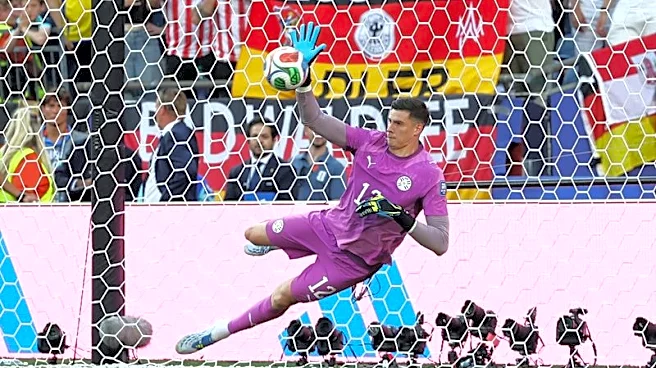
As the 2026 World Cup electrifies audiences, the conversation shifts to the next generation, epitomized by France’s Kylian Mbappé. He won the tournament as a teenager in 2018 and is currently in a Golden Boot race with the aging but still brilliant Messi. Mbappé is already shattering records, becoming the all-time leading scorer in the knockout stages. His performance isn't just about winning another trophy for France; it's a relentless chase of history. On Saturday, his penalty was the decisive blow that pushed France past a physical Paraguay side and into the quarterfinals. His quest is different from Brady’s; it’s not about building a dynasty but about seizing these quadrennial moments to build a legacy that echoes Pelé or Maradona—a legacy defined by national glory on the world's biggest stage.
The Cult of Genius: Greatness Beyond Trophies
Finally, soccer allows for a type of greatness that doesn't always show up in the trophy count. Players like the legendary Dutch innovator Johan Cruyff are revered for changing the way the game was played and thought about, even though a World Cup winners' medal eluded him. Their genius and influence are their own reward in the annals of history. This is a concept less familiar in the results-driven world of American pro sports, where your ring count often serves as the final word. In the global game, style, innovation, and moments of pure, breathtaking artistry can sometimes forge a legacy just as powerful as any championship.