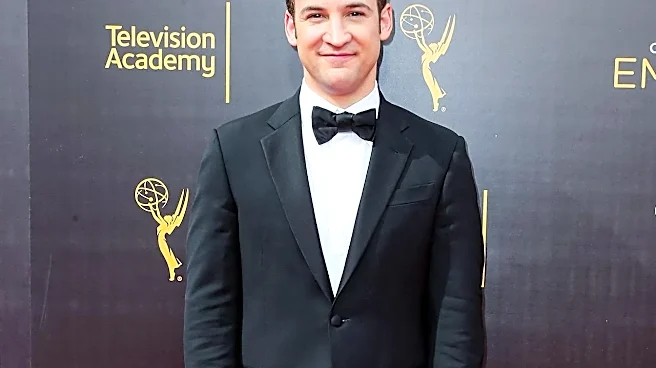










Defining the Unseen Spark
What exactly is on-screen chemistry? It’s more than just two attractive people reciting lines. It's the believable, almost tangible connection that makes an audience invest in a relationship. It’s the shared glances, the comfortable silences, and the way
a simple touch can feel loaded with history and emotion. True chemistry is an energy that makes the characters' interactions feel authentic and electrifying. It relies on actors actively listening and reacting, creating a dynamic that feels spontaneous and real. This connection is so vital that casting directors hold specific “chemistry reads,” where they pair up potential actors to see if that elusive spark exists before a single scene is even shot.
When Big Names Don't Equal Big Sparks
Stacking a cast with A-listers is no guarantee of a compelling romance. In fact, some of the most anticipated pairings have famously fizzled. Think of Angelina Jolie and Johnny Depp in "The Tourist" or Jennifer Lawrence and Chris Pratt in "Passengers"; despite their immense individual star power, audiences and critics noted a surprising lack of sparks. These situations highlight a crucial distinction: celebrity wattage doesn't automatically translate to relational heat. When two performers, however talented, don't share that rhythmic give-and-take, the romance can feel like a contractual obligation rather than a whirlwind love story. The result is often an expensive-looking production with a hollow emotional core, leaving viewers feeling cold.
The Magic of the Unexpected Pairing
Conversely, some of television's most iconic couples were born from pairings of lesser-known actors whose chemistry was simply undeniable. Shows like "The Vampire Diaries" with Elena and Damon, or the central "will they/won't they" of "Cheers," built legions of fans not on the initial fame of the actors, but on the magnetic pull between their characters. These relationships become the stuff of legend, driving years of storyline and fan obsession. The slow burn of Mulder and Scully in "The X-Files" is a testament to this; their professional and personal tension was the engine of the show, proving that a deep, evolving connection can be far more captivating than a romance that simply checks the boxes. This is chemistry as a plot device—a force so strong it becomes its own character.
It's Not Just About Romance
The power of chemistry extends far beyond romantic pairings. It's the secret ingredient in the best buddy-cop duos, workplace rivalries, and platonic friendships. The hilarious codependency between Abbi and Ilana on "Broad City" or the comedic trio of Steve Martin, Martin Short, and Selena Gomez in "Only Murders in the Building" are prime examples of platonic chemistry firing on all cylinders. This connection is about a shared rhythm and a believable dynamic, whether it's love, friendship, or even animosity. It's what makes an ensemble cast feel like a real family or a group of genuine friends, allowing the audience to feel fully immersed in their world.