


The Anatomy of a Perfect Angle
At its core, an angled bob is a haircut that is shorter in the back and gradually becomes longer toward the front. This defining characteristic creates a striking diagonal line that can range from subtle to dramatic. Unlike a classic one-length bob, the beauty
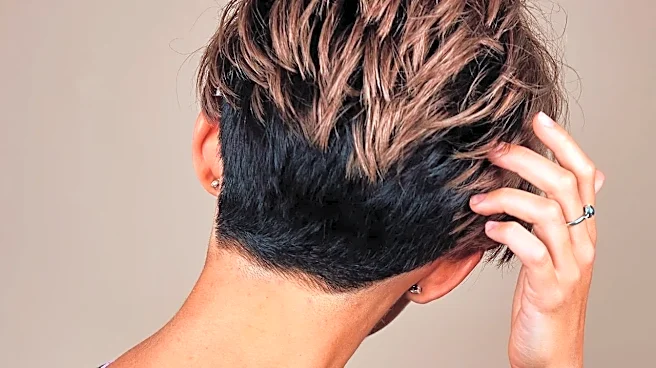
of the angled bob lies in this dynamic silhouette. It's often confused with other styles, but the distinctions are important. An A-line bob, for example, features the same shorter-in-the-back, longer-in-the-front perimeter but typically without layers. A graduated or stacked bob specifically refers to the use of layers in the back to create volume and a rounded shape at the nape of the neck. A truly great angled bob often combines these elements, using graduation to build shape in the back that seamlessly connects to the longer, face-framing pieces in the front.
The 'Done Right' Difference: Precision and Flow
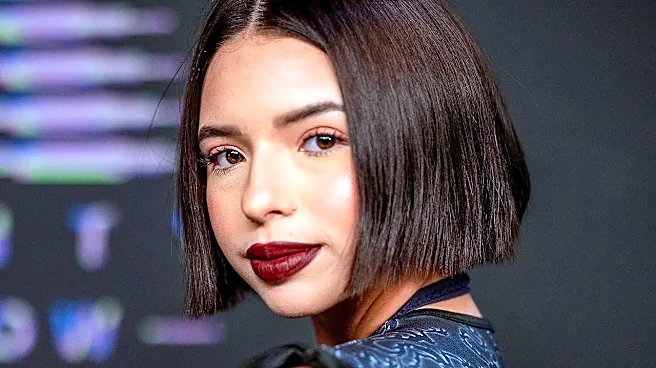
What makes an angled bob look truly high-end and flattering is the precision of the cut. A "done right" version isn't just about the angle; it's about how that angle is executed. The graduation in the back should be seamless, creating a curved, voluminous shape that prevents the dreaded "shelf" look. The lines from the back to the front must be clean and unbroken, guiding the eye downward and framing the face. On straight hair, this effect is most visible, showcasing the crisp, sharp perimeter. A poorly executed cut, on the other hand, might have a disconnect between the back and front, an overly severe angle that feels harsh, or clumsy layering that looks choppy rather than blended.
Customization Is Key
There is no single perfect angled bob; the best version is one that's tailored to your face shape and hair texture. For rounder face shapes, a longer angled bob (a "lob") where the front pieces fall past the chin can create a slimming, elongating effect. Oval and heart-shaped faces can handle shorter, more classic chin-length versions that highlight the jawline. For square faces, softer angles and a few layers can help soften a strong jaw. Hair texture also dictates the right approach. Fine hair often benefits from a blunter cut to create a look of thickness, while thick hair may need internal layers to remove bulk without sacrificing the sharp outline. Wavy and curly textures can create a softer, fuller interpretation of the cut, but the stylist must account for shrinkage to get the length just right.
How to Ask Your Stylist for the Cut
Clear communication in the salon chair is crucial. Start by bringing several inspiration photos that show the haircut from different angles (front, side, and back). Use specific language to describe what you want. Say, "I'd like an angled bob that's shorter in the back and longer in the front." Then, specify the details. Mention how dramatic you want the angle to be. Do you want it stacked in the back for more volume, or do you prefer a sleeker A-line shape? Be very clear about the desired front length—for example, "I want the longest pieces to hit just below my chin" or "I'd like it long enough to still pull back." A good stylist will listen and then offer their professional opinion on how to best adapt that vision for your features and hair type.
Maintaining That Perfect Shape
An angled bob is a precision haircut, which means it requires maintenance to keep it looking sharp. To maintain the clean lines and prevent the shape from growing out awkwardly, plan on getting a trim every six to eight weeks. At home, styling should focus on enhancing the cut's built-in shape. For a sleek look, blow-dry with a round brush, directing the front pieces inward toward your chin to accentuate the face-framing effect. For a more modern, textured look, a bit of styling spray or pomade can be used to break up the ends and add movement without compromising the overall silhouette.