





The Allure and Problem of 'Shiny Satin'
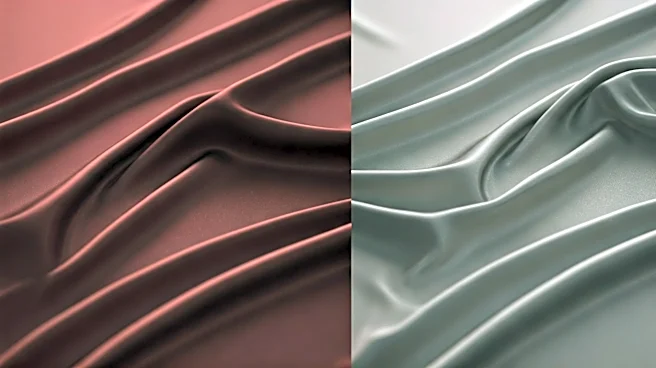
When most people think of satin, they picture a highly reflective, liquid-like fabric that drapes and flows. This is often a lightweight satin charmeuse, beloved for lingerie and slinky evening gowns. It’s undeniably glamorous, catching the light with
every movement. However, its greatest strength in the evening becomes its biggest weakness at a daytime event like Royal Ascot. In the harsh light of a summer afternoon, that high-gloss shine can look less 'luxurious' and more 'prom night.' It reflects light indiscriminately, often creating unflattering hotspots in photographs and highlighting every tiny wrinkle or imperfection in the garment—and after hours of socializing, there will be wrinkles. Its fluid nature also means it lacks the structure required for the sharp, tailored silhouettes that define Ascot's dress code.
Enter Duchess Satin: The Understated Powerhouse
Duchess satin is a different beast entirely. It’s a heavyweight fabric, woven with a high thread count that makes it stiff, substantial, and far less prone to wrinkling. While it is a satin—meaning it has a glossy surface on one side and a dull back—its finish is not a mirror-like shine but a deep, pearlescent lustre. Think less of a disco ball and more of a soft-focus glow. This subtle sheen looks rich and expensive under any lighting condition, especially daylight. Traditionally made from silk (though modern versions use fine synthetics), Duchess satin feels as luxurious as it looks. Its weight gives it a magnificent drape that doesn’t cling; instead, it skims the body, creating elegant lines.
Why Structure Is the Secret Weapon
The formal dress codes of Royal Ascot call for knee-length or longer dresses and tailored silhouettes. This is where Duchess satin truly shines—or rather, glows. Its inherent stiffness makes it a dream for designers creating structured garments. Think of the crisp fold of a lapel, the sharp line of an A-line skirt, or the dramatic volume of a puff sleeve. Duchess satin can hold these shapes without buckling or drooping over the course of a long day. A dress made from this fabric will look just as impeccable at the final race as it did upon arrival. For royals and other high-profile attendees who are photographed from every angle, this reliability is non-negotiable. It ensures a polished, put-together appearance from start to finish.
Winning in the Court of Public Opinion
The choice of Duchess satin is also a masterclass in the art of “quiet luxury.” It’s a fabric that signals quality and expense without being ostentatious. Its beauty lies in its texture and structure, something that is appreciated by those with a discerning eye for fashion. In a world of fast fashion and flashy logos, choosing a fabric for its inherent quality and performance is a powerful statement. Royal style icons like Catherine, Princess of Wales, and Sophie, Duchess of Edinburgh, are frequently seen in Duchess satin for this very reason. Their outfits look regal and appropriate, never garish. The fabric does the hard work, providing a flawless canvas for their elegant hats and classic accessories.