




The CFDA Fashion Awards have long been one of the industry's most exclusive nights. But this year, the velvet rope is loosening. A new initiative is inviting fashion students inside, signaling a quiet but powerful shift in American fashion.
A New Kind of Guest List
On November
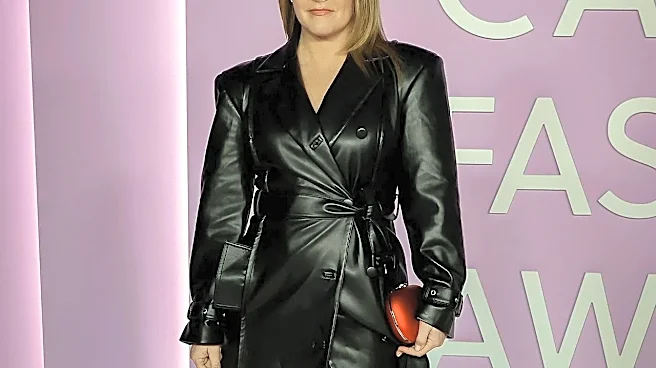
2, 2026, when the fashion world gathers at the American Museum of Natural History for its annual awards, a special group of guests will be in attendance. For the first time, the Council of Fashion Designers of America (CFDA) is hosting a dedicated Student Viewing Section. Presented in partnership with WYouth and Nuuly, the initiative invites current CFDA scholars and other fashion students to witness the ceremony firsthand. This isn't just a handful of token attendees; it's a structured program designed to give the next generation a seat at the table, quite literally. The move is part of a broader, multi-decade effort by the CFDA to invest in the future of the industry. The organization’s Scholarship Fund, which marked its 30th anniversary in 2026, awarded a record $1.5 million to students this year, working with brands like Carolina Herrera, Saint Laurent, and Tiffany & Co. to create pathways into the industry.
More Than Just a Seat at the Table
For the students, this opportunity is far more than a chance to see celebrities and star designers like Michael Kors and Tory Burch. It’s a powerful dose of inspiration and a critical step in demystifying an industry famous for its gatekeeping. Being in the room where careers are made and legends are honored provides an invaluable education that no classroom can offer. It allows emerging talent to observe the industry's ecosystem, understand its culture, and feel a tangible connection to the world they aspire to join. This access is a core part of the CFDA's evolving strategy. In recent years, scholarship recipients have been invited to major runway shows for brands like Carolina Herrera and Off-White, and have participated in events where they can present their work directly to CFDA members and the press. These experiences are designed to bridge the gap between academic training and professional reality, giving students the exposure and confidence needed to launch their careers.
Why the Industry Is Opening Up
So, why is this happening now? The push for greater access is part of a larger conversation within fashion about diversity, equity, and inclusion. For years, the industry has faced criticism for being too insular and disconnected from the real world. In response, organizations like the CFDA have launched programs aimed at creating a more representative and equitable pipeline of talent. Initiatives like the IMPACT program, which supports Black and Brown creatives, and various scholarships prioritizing students from diverse backgrounds, are testaments to this commitment. CFDA CEO Steven Kolb has stated that the goal is to create a platform that 'inspires and supports the generation that will define its future'. By bringing students into its most prestigious event, the CFDA isn't just offering a nice perk; it's making a strategic investment. It's an acknowledgment that for American fashion to remain globally competitive and culturally relevant, it needs to nurture a wider, more diverse array of voices from the ground up.
A Ripple Effect for the Future
While a student viewing section might seem like a small gesture, its symbolic importance is huge. The CFDA Fashion Awards set the tone for the American fashion industry. By making a visible effort to include students, the organization is sending a clear message: the future of fashion is collaborative, not exclusionary. This move could inspire other major cultural institutions, both within fashion and beyond, to reconsider their own velvet ropes. The long term impact could be a more dynamic, innovative, and accessible industry. Today’s student attendee is tomorrow’s nominee for American Emerging Designer of the Year. By giving them a glimpse of the pinnacle of their chosen field, the CFDA is not just filling seats; it’s planting seeds for the next thirty years of American design, ensuring that the industry’s future is as creative and vibrant as its celebrated past.