




The Bite Seen 'Round the World
June 24, 2014. Natal, Brazil. The stakes couldn't have been higher. Uruguay and Italy were locked in a tense, 0-0 battle for a spot in the World Cup knockout stage. With about ten minutes left, Uruguayan superstar Luis Suárez tangled with Italian defender
Giorgio Chiellini in the penalty box. As the two jostled, Suárez leaned in and inexplicably bit Chiellini’s shoulder. The Italian defender fell, pulling down his jersey to reveal clear teeth marks to a bewildered referee who, having missed the act itself, did nothing. Moments later, Uruguay scored the winning goal. The immediate on-field drama, however, was quickly overshadowed by what television replays showed the world, setting the stage for a firestorm.
A History of Bad Habits
For FIFA, the sport’s global governing body, the decision wasn’t just about one bizarre incident. It was about a pattern. This wasn't Suárez's first, or even second, time using his teeth on an opponent. In 2010, while playing for Ajax in the Netherlands, he bit PSV Eindhoven's Otman Bakkal, earning the nickname “The Cannibal of Ajax” and a seven-game ban. Then, in 2013, as a star for Liverpool in England’s Premier League, he bit Chelsea’s Branislav Ivanović, resulting in a 10-game suspension. This history was crucial. In the court of public opinion and, more importantly, in FIFA’s disciplinary chambers, Suárez was a three-time offender. A simple slap on the wrist was never going to be an option on the world’s biggest stage.
The Harshest Penalty in World Cup History
FIFA’s response was swift and severe. They handed down a punishment unprecedented in its scope. It wasn't just a match ban; it was a total exile from the sport. Suárez was suspended for nine international matches, effectively ending his World Cup. But the more punishing blow was the second part of the sentence: a four-month ban from *any* football-related activity. He couldn't play for his club, he couldn't train with his team, he couldn't even enter a stadium as a spectator. The message was clear: Suárez wasn't just a player being punished; he was an outcast being removed entirely from the world of soccer. This severity is what turned a disciplinary action into a global argument.
A Hero at Home, A Villain Abroad
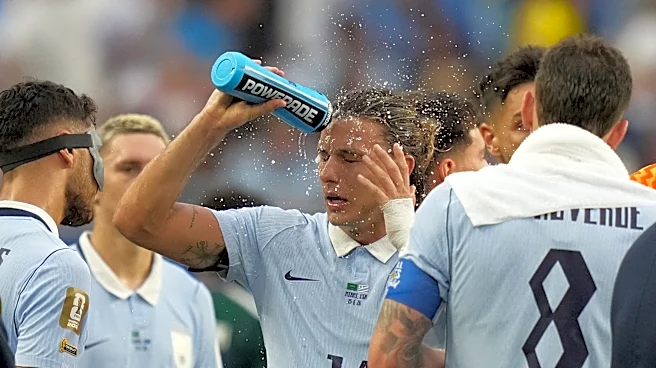
The world split into two camps. Outside of Uruguay, the reaction was a mix of condemnation and morbid fascination. The British press, in particular, portrayed him as a pantomime villain, a deranged genius who couldn't control his primal urges. He was a pariah, a cheat, and a disgrace to the game. But inside Uruguay, the narrative was completely different. He was their hero, the victim of a conspiracy by the powerful European football establishment and a biased English-speaking media. His grandmother claimed he was treated “like a dog.” The Uruguayan president, José Mujica, called FIFA “a bunch of old sons of bitches” and flew out to greet Suárez as a national hero upon his return. The team hung his jersey in the locker room for their next match, which they promptly lost, crashing out of the tournament. The ban wasn't just about a player; it became a symbol of a small nation standing against the world.
The Aftermath and Lingering Legacy
The ban threw Suárez’s career into temporary chaos. At the time, he was finalizing a massive, life-changing transfer from Liverpool to FC Barcelona. The ban nearly scuttled the deal, but the Spanish giants took the risk. He was unable to be formally unveiled at their stadium and had to train alone until the suspension ended in late October. When he finally returned, he did so with a vengeance, forming one of history's most potent attacking trios with Lionel Messi and Neymar. The incident, however, remains a permanent, indelible part of his story. It serves as a bizarre footnote in a brilliant career and a perfect case study in how sports, passion, nationalism, and media can combine to turn a single moment of madness into an argument that engulfs the entire planet.