





The Runways Speak in Earth Tones
The message from the recent Milan menswear collections was clear, consistent, and rendered in a thousand shades of brown. At Zegna, artistic director Alessandro Sartori presented entire collections that felt like a deep dive into the color, from cashmere
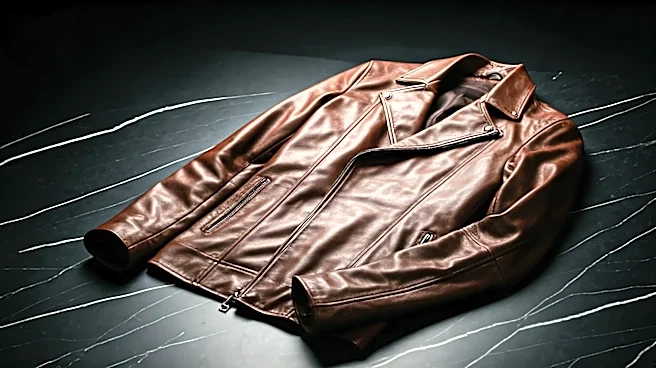
overcoats in rich espresso to tailored suits in muted, earthy clay. Fendi followed, showcasing luxurious chocolate-brown leather jackets and trousers that felt both powerful and plush. Even Prada, a house known for its intellectual and often stark use of black, embraced the warmth. Their collections featured sophisticated suiting and chunky knitwear in shades of tobacco and dark umber, proving that brown could be just as cerebral and commanding as its darker counterpart. This wasn't just a handful of brown pieces sprinkled in for variety; it was a full-throated endorsement from the world’s most influential designers. They weren't just showing brown clothes; they were building entire worlds around them.
Why Brown, Why Now?
So, what’s behind the shift? It’s more than just a cyclical trend. The move towards brown reflects a broader change in how we think about masculinity and power. Black, for all its merits, can feel severe, rigid, and uniform. It’s the color of authority, of after-hours formality, of a certain kind of impenetrable cool. Brown, on the other hand, offers a softer power. It’s approachable, grounding, and inherently sophisticated without being intimidating. In a post-pandemic world that continues to prize comfort and a more relaxed approach to life, brown feels right. It speaks to a desire for quiet luxury over loud statements, and for a wardrobe that is versatile, warm, and human. It’s less about being the most imposing person in the room and more about being the most self-assured.
The Art of the Right Brown
Of course, not all browns are created equal. The key to making it feel “sharper than black” lies in choosing the right shade and texture. The Milanese masters are leaning into deep, saturated tones that have a complexity black often lacks. Think of a dark espresso brown suit—it has the same formal gravity as a black one but with more depth and warmth under the light. A tobacco or cognac suede jacket offers a tactile richness that black leather can't always match. The trick is to treat brown not as a single color, but as a spectrum. For a modern, powerful look, consider a monochrome outfit, layering different shades of brown together. A dark chocolate trouser with a lighter caramel knit and a taupe overcoat creates a look that is visually interesting, deliberate, and exceptionally chic. This thoughtful layering is what elevates brown from a simple neutral to a true style statement.
It’s More Than Just the Color
The secret ingredient in Milan’s formula is that the “move” isn’t just about swapping one color for another. The sharpness comes from the marriage of color and form. Designers are applying these rich brown palettes to impeccable silhouettes: perfectly tailored trousers, structured overcoats with strong shoulders, and knitwear that drapes just so. The fabrics are just as important. We’re seeing brown used in luxurious cashmeres, heavy wools, supple leathers, and rich corduroys. When a color is rendered in a material that has its own character and depth, it takes on a new life. A brown wool suit isn't just brown; it’s a landscape of texture and shadow. This focus on materiality and cut ensures that the color doesn't look dated or drab, but instead feels modern, intentional, and undeniably sharp.