





From Marathon to Sprint
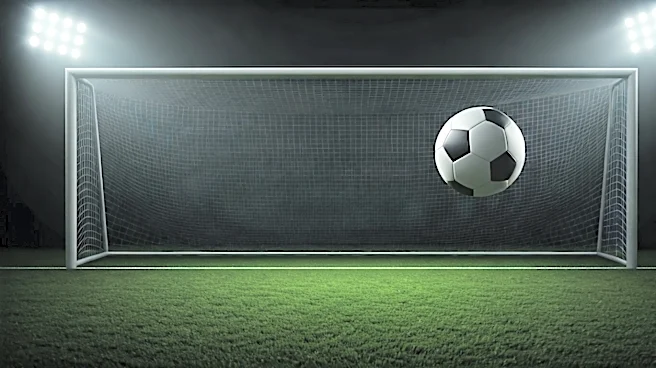
The core appeal of soccer is its continuous, flowing nature. It’s a game of endurance, strategy, and collective effort played over a vast green canvas. But after 120 grueling minutes of extra time in a knockout match, all of that changes. The team-based marathon abruptly becomes a series of five individual sprints. The game shrinks from a 115-by-75-yard field to the 12 yards between the penalty spot and the goal line. This sudden, dramatic shift in scale and pace is jarring, but for the American sports palate, it’s instantly familiar. The complex, interwoven patterns of the game are stripped away, leaving only a raw, simple contest: one kicker, one goalkeeper, one ball. Everything else is just noise.
A Language Americans Understand
The penalty shootout is soccer's ultimate
concession to the discrete, high-stakes moments that define American sports. Think of it as a series of game-winning free throws in basketball, a full-count pitch with the bases loaded, or a field goal attempt as time expires. In these moments, the team dynamic recedes, and an individual is placed under an immense, isolated spotlight. The American sports narrative thrives on this—the "clutch" player, the hero who delivers under pressure. The shootout provides a rapid-fire succession of these moments. There are no assists, no defensive rotations, just a binary outcome: goal or save, hero or goat. It’s a format that produces immediate, quantifiable results, perfect for a culture that loves statistics and clear-cut winners.
The Psychology of the Spot
The mental warfare of a penalty kick is a drama in itself. The kicker, who is statistically expected to score more than 75% of the time, carries the weight of a nation’s hope on their shoulders. They must appear confident while their heart is pounding, choosing a spot and committing to it while trying to ignore the 8-foot-tall, hyper-athletic goalkeeper trying to get in their head. The keeper, on the other hand, is in a uniquely powerful position. No one expects them to save the shot; any save is a bonus, a moment of pure, unexpected glory. This psychological imbalance—immense pressure on the attacker, a free shot at heroism for the defender—creates a captivating theatrical experience that is as much about nerve and composure as it is about physical skill.
Forging Instant Legacies
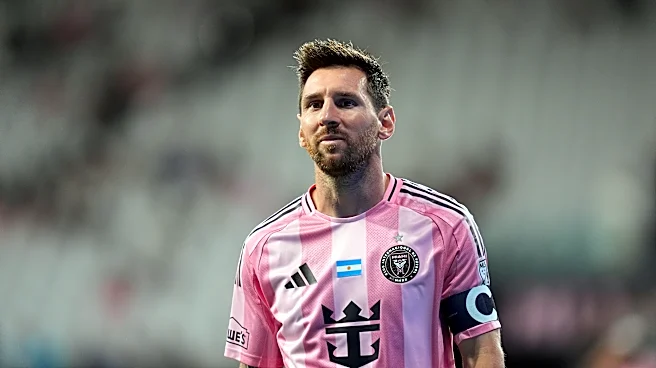
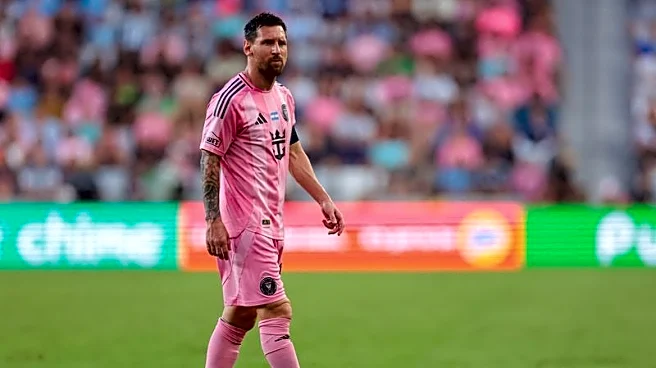
More than any other moment in soccer, the penalty shootout is a legacy machine. It has the power to define an entire career in a single kick. In the 1994 World Cup final, Italian superstar Roberto Baggio, one of the greatest players of his generation, skied his penalty over the crossbar, handing the trophy to Brazil. That single miss has haunted his legacy ever since. Conversely, a goalkeeper who saves multiple penalties becomes a national icon overnight. Think of Argentina's Emiliano Martínez in the 2022 World Cup, whose mind games and crucial saves were as vital to their victory as Lionel Messi's goals. The shootout doesn't just decide a game; it writes history in real time, anointing champions and creating tragic figures with a finality that is both brutal and beautiful.