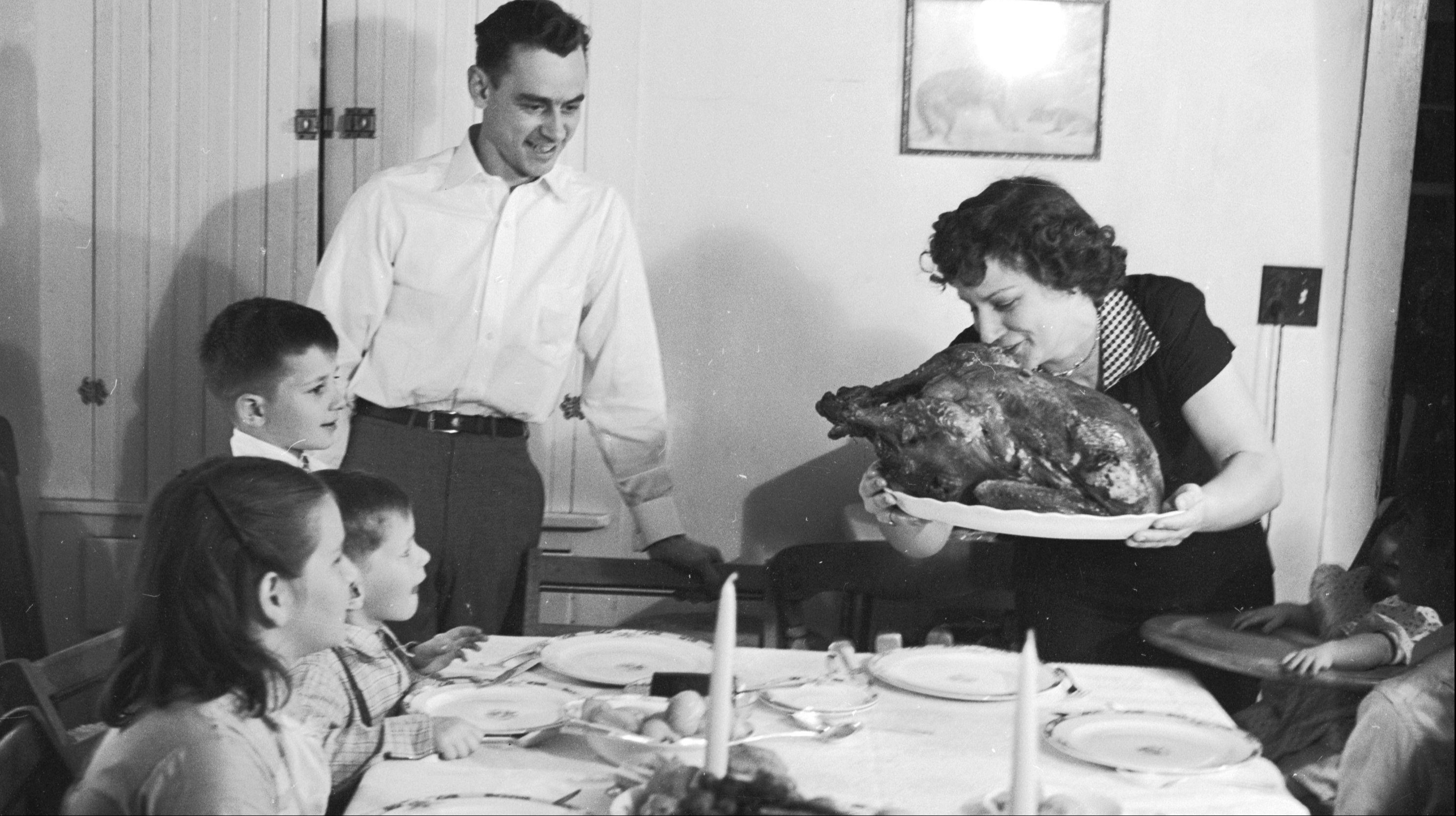





A family gathers for Thanksgiving in a cramped New York apartment. It sounds like the setup for a standard holiday drama, but in Stephen Karam's 'The Humans,' it becomes a masterclass in psychological dread, thanks to what you hear, not what you see.
A Holiday on the Brink
Before the first unsettling bang from an unseen source, the tension in 'The Humans' is already simmering. The Blake family—patriarch Erik (Richard Jenkins), matriarch Deirdre (Jayne Houdyshell), their daughters Brigid (Beanie Feldstein) and Aimee (Amy Schumer), and dementia-addled grandmother Momo (June Squibb)—convenes at the new, barely furnished Chinatown duplex Brigid shares with her boyfriend Richard (Steven Yeun). The apartment itself is a character: a pre-war space with stained walls, flickering lights, and an oppressive lack of natural light. The family's conversation is a minefield of passive aggression, unspoken resentments, and secrets waiting to detonate. It’s a familiar Thanksgiving pressure cooker, but director Stephen Karam, adapting his own Tony-winning play, uses cinematic language to turn this family drama into something that feels more like a haunted house movie.
The Symphony of Decay
The first layer of sonic dread comes from the building itself. The apartment is not just quiet; it’s aggressively noisy. Throughout the film, loud, inexplicable thuds rain down from the upstairs neighbor. Pipes clank and groan, radiators click, and the trash compactor in the alley roars to life like an industrial monster. These aren't random background sounds; they are a constant, intrusive presence that punctuates the dialogue and amplifies the family's anxiety. Karam, who once lived in a similar basement duplex, knows these sounds intimately. They function as a symphony of decay, mirroring the deteriorating state of the family's finances, health, and relationships. The apartment feels sick, with walls that bubble and leak a mysterious goo, and its sounds are the groans of an ailing structure that externalizes the characters' internal turmoil.
Terror in the Ambiguity
Beyond the identifiable noises of a decrepit building, Karam employs a more ambiguous, existential soundscape. The offscreen world bleeds into the apartment through unsettling, vague sounds. We hear sirens and the indistinct clamor of the city, but it’s all filtered through grimy windows that obscure the source. These noises are a constant reminder of an outside world that feels threatening and chaotic, reflecting the family's post-9/11 paranoia and economic insecurity. The most effective sounds are those that defy easy explanation. At key moments, sudden, sharp bangs interrupt quiet conversations, functioning like horror movie jump scares that have no visual payoff. This technique preys on a deep-seated human instinct: our brains are hardwired to identify the source of a sudden noise as a potential threat. By refusing to show us the cause, the film traps the audience in the same state of helpless anxiety as the characters.
When Silence Becomes the Threat
Just as powerful as the noise is the strategic use of silence. The sound design in 'The Humans' often works in contrasts. A scene filled with the apartment's groans and the family's nervous chatter will suddenly fall quiet. This abrupt absence of sound makes the space feel vulnerable and exposed. The audience, conditioned to the constant barrage of noise, leans in, and our own senses become heightened, anticipating the next sonic assault. This creates a powerful sense of anticipatory anxiety. The silence forces you to confront the emotional void between the characters, the things left unsaid. When patriarch Erik is finally left alone in the dark near the film's end, the sudden blackout and the amplification of the building's noises trigger a full-blown panic attack. It’s in this moment that the film's thesis becomes terrifyingly clear: the true horror isn't a ghost in the walls, but the crushing weight of loneliness and existential dread, given a voice by the sounds around us.