





The Never-Ending Novelty Machine
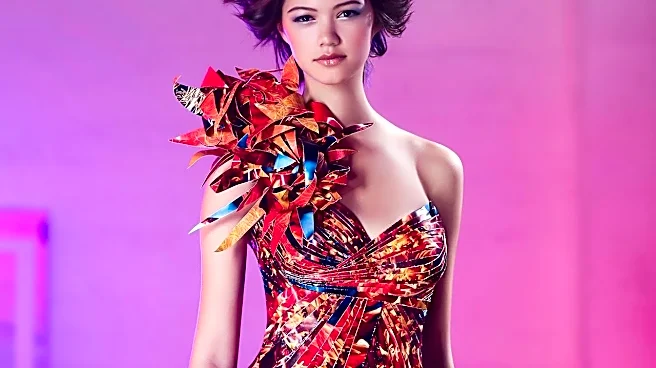
Fashion Week is the industry’s engine of newness, and our brains are wired to love it. Every debuting trend—whether it’s this season’s balloon pants or heeled thong sandals—offers a potential dopamine hit. Psychologically, this hunt for novelty creates
a powerful reward loop; acquiring something new feels exciting, a quick fix for the desire to fit in or refresh our identity. The modern fashion cycle, accelerated by social media, has turned this into a constant churn of micro-trends that emerge and fade within months. This creates a sense of urgency and a fear of missing out (FOMO), pressuring consumers to buy quickly before a look becomes dated. The result can be trend fatigue and a closet full of clothes that felt essential one moment and irrelevant the next.
Becoming Your Own Style Architect
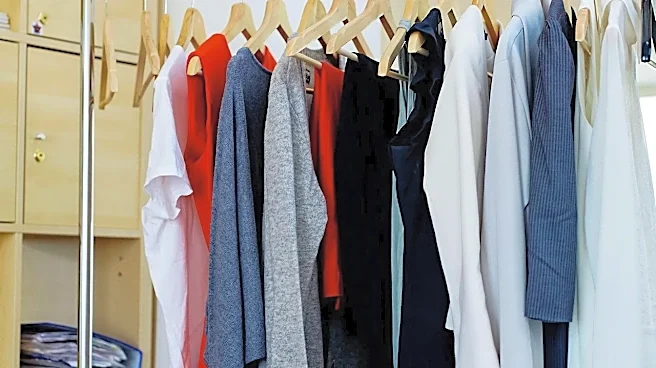
The antidote to this cycle isn’t rejecting fashion, but becoming more intentional. Better wardrobe planning is about shifting from a reactive consumer to a proactive architect of your own style. It starts with a simple audit: Who are you? What do you actually do all day? What clothes make you feel confident and comfortable? Answering these questions helps you build a personal style thesis. Instead of chasing disparate trends, you begin to see patterns in your own preferences for certain colors, fabrics, and silhouettes. This process of self-discovery is the foundation. It allows you to curate a collection of clothing that serves your life, rather than letting a fleeting trend dictate your purchases. It’s the difference between having a closet full of clothes and having a functional, cohesive wardrobe.
Building Your Personal Style Foundation
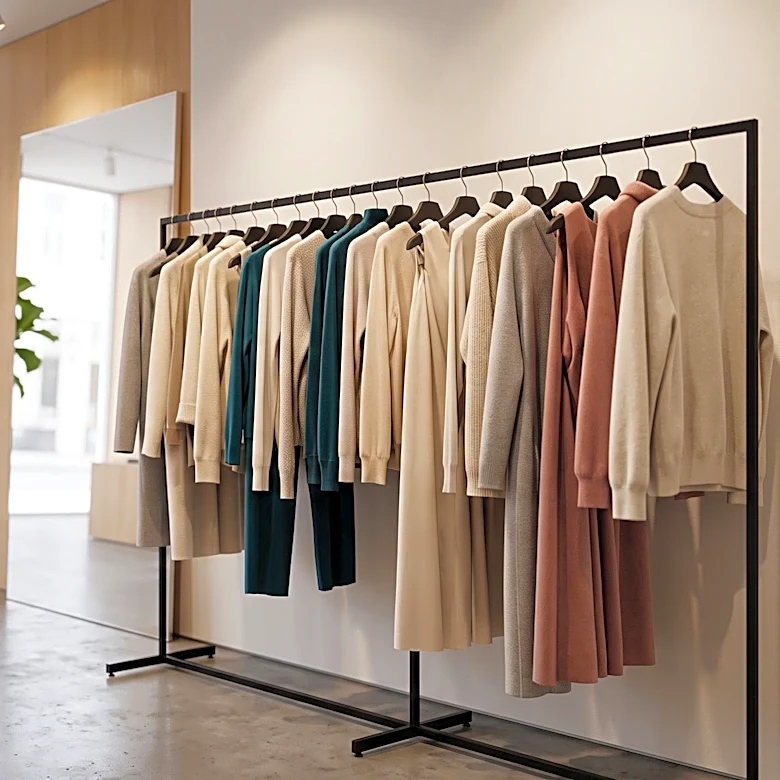
A well-planned wardrobe isn't about rigid minimalism; it's about creating a flexible, reliable system. Think of it as a 'Core Four' framework. First, identify your 'Uniforms': the go-to combinations for your daily life, like great jeans and a blazer or the perfect dress. Second, define your 'Investments': the high-quality, timeless pieces like a classic coat or a durable leather bag that will last for years. Third, add your 'Seasonal Accents': the items that adapt your core wardrobe to the weather, like linen shirts for summer or cashmere for winter. Finally, you have 'The Spice'—small, less expensive items that let you play with trends without overhauling your entire closet. A trendy headscarf or a bold-colored top can satisfy the craving for novelty without the commitment or waste. This structure ensures your wardrobe is both stable and adaptable.
Turning Trends into Inspiration, Not Mandates
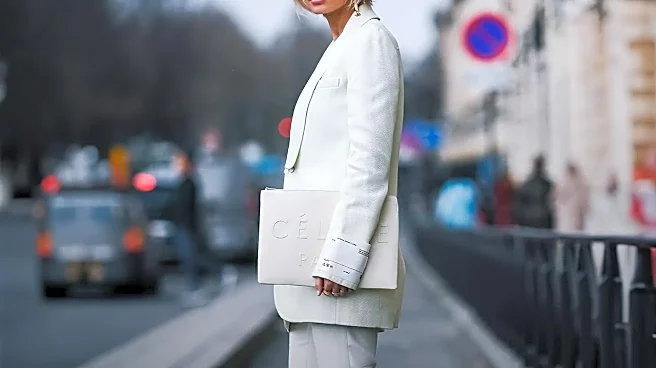
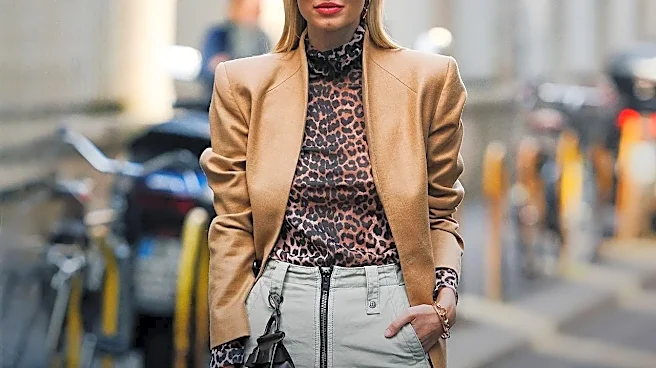
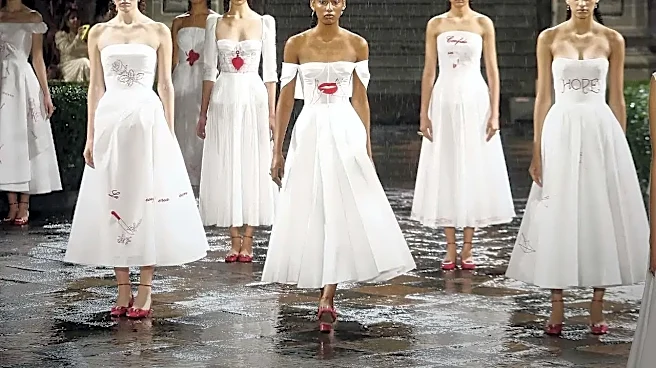
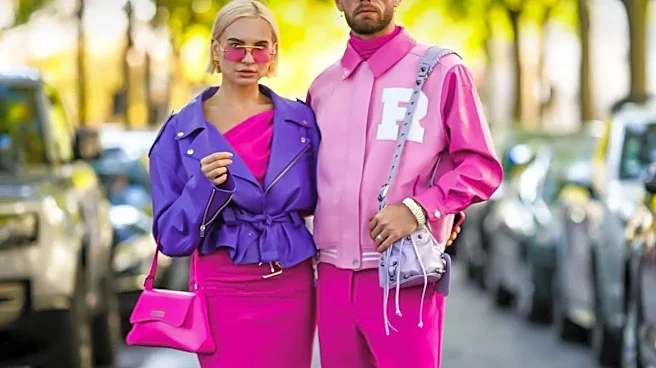
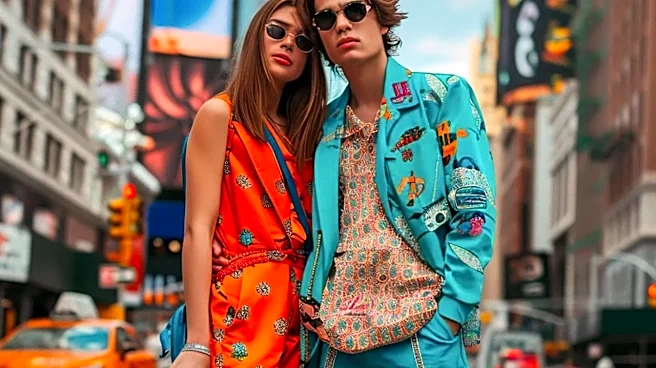
Once your wardrobe is built on a strong personal foundation, your relationship with events like New York Fashion Week fundamentally changes. The endless parade of newness is no longer a source of anxiety or a shopping list. You can look at the experimental silhouettes, the vibrant street style, and the runway artistry with appreciation, not obligation. You might see a new color combination and realize it works with pieces you already own. You might admire the craftsmanship of a fringed suede jacket or a dramatic band jacket without feeling compelled to buy it. Wardrobe planning gives you the confidence to distinguish between what you admire and what you actually need. Fashion Week becomes a gallery you can visit for ideas, freeing you to be the curator of your own style. It puts you back in control, allowing you to engage with fashion on your own terms.