



The Maximalist Default
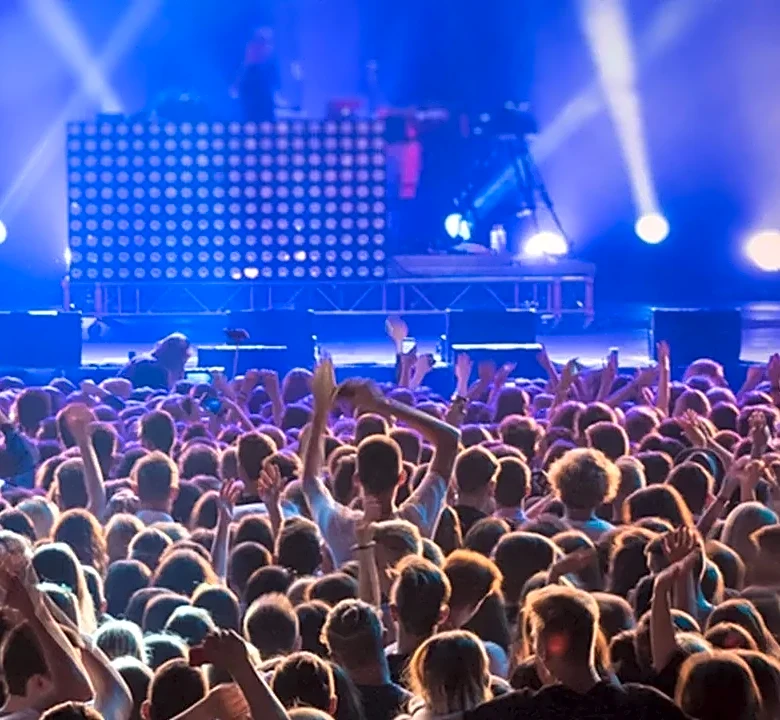
Las Vegas, where the iHeartRadio Music Festival unfolds, is a city built on sensory overload. The festival, held annually at the T-Mobile Arena, follows suit. It's a two-night blitz of chart-topping superstars where the implicit promise is a show bigger
and brighter than anything else. For performers on a lineup that has included everyone from BTS and Cardi B to Muse and The Smashing Pumpkins, the pressure is immense. The default strategy is to go big: massive LED screens, squads of dancers, intricate lighting cues, and a constant barrage of visual stimuli designed to fill every inch of the arena and justify the hype. It’s a formula built on the idea that at a pop spectacle, more is always more. The goal is to overwhelm, to create a moment so visually dense it becomes instantly iconic.
Cutting Through the Noise
The problem with a stage where everyone is shouting is that the audience eventually goes deaf. When every performance is a ten-course meal of visual effects, it can become monotonous. This is where minimalism becomes a secret weapon. A stripped-down stage—a single spotlight, a stool, an artist and their instrument—acts as a pattern interrupt. In a lineup defined by explosive energy, a moment of quiet focus becomes the most noticeable thing in the room. It forces the audience to lean in rather than be pushed back by a wall of sound and light. This contrast creates a vacuum of attention, pulling the focus from the periphery to the very center of the stage, where the artist stands alone and exposed.
Forging Intimacy in a Stadium
A cavernous arena is the natural enemy of intimacy. The distance between the performer and the fan in the back row is not just physical but emotional. Elaborate production can widen that gap, making the artist feel like a digital avatar on a giant screen. Minimalist staging does the opposite. By removing the layers of technological distraction, it shrinks the room. It creates the illusion of a private performance, a shared secret among thousands. This was a strategy seen effectively at other major festivals, like when Justin Bieber used a stark, clean set at Coachella to create the feeling of an intimate YouTube session, turning a massive field into a personal hangout. This approach fosters a powerful connection, making each person in the 20,000-seat arena feel seen.
The Artist Becomes the Spectacle
Without fireworks and dazzling video content, what’s left to look at? The artist. A minimalist set is a high-stakes bet on pure talent. There are no distractions to hide a weak voice or a lack of stage presence. Every note, every movement, and every flicker of emotion is magnified. The performance becomes a showcase of raw artistry. Think of Adele, who can command a stadium with just her voice and a piano, or the spellbinding quiet of a Hozier performance. In these moments, the spectacle isn't the production; it's the profound skill of the human being at the center of it all. It’s a declaration of confidence that says, "I am enough."
A High-Risk, Unforgettable Reward
This strategy isn't for everyone. It requires an artist with immense charisma and the vocal or instrumental chops to hold a massive crowd in the palm of their hand. For a performer still building their confidence or one whose music is intrinsically tied to high-energy dance production, going minimal could fall flat, feeling empty rather than intentional. But when it works, it creates the moments that people talk about for years. While others are remembered for their wild antics or surprise guests, the minimalist performer is remembered for the feeling they created. In an environment engineered for fleeting, explosive moments, the quiet power of a stripped-back performance offers something far more rare and valuable: a moment of genuine, lasting connection.