





A closet swap sounds simple: friends gather, trade clothes, and everyone goes home with a refreshed wardrobe for free. But the reality can be a chaotic pile of clothes and hurt feelings. A few smart details can elevate your event into a fun success.
1. Establish the Quality Mandate
The
success of a swap hinges on the quality of the items. Before you even send invites, establish clear rules about what is acceptable. The best guideline is simple: only bring items you would be happy to gift to a good friend. This means clean, gently used clothing with no stains, rips, missing buttons, or broken zippers. Be explicit in your invitations, stating that underwear and heavily worn items should stay home. This pre-screening prevents one person from bringing a bag of tired t-shirts while another brings a designer dress, ensuring a higher quality pool of items for everyone.
2. Use a Token System for Fairness
To prevent a free-for-all where someone brings three items and leaves with ten, implement a token or ticket system. As guests arrive and their items are checked for quality, give them one token (poker chips or unique buttons work well) for each piece they contribute. This token becomes their currency for 'shopping' the swap. A one-for-one rule is the simplest and fairest method: if you bring five items, you get five tokens and can take home five new-to-you pieces. This structure ensures everyone has an equal opportunity to claim items and keeps the exchange balanced.
3. Create 'Retail' Zones
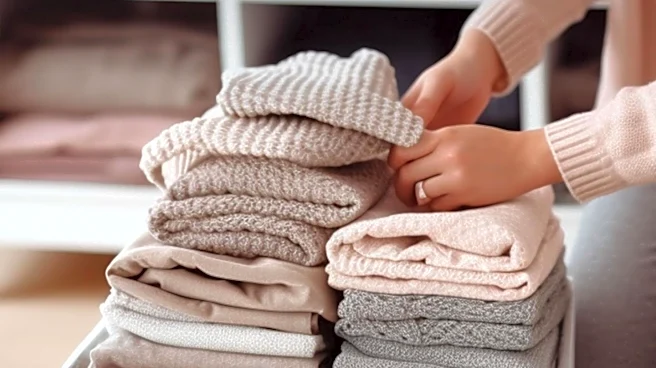
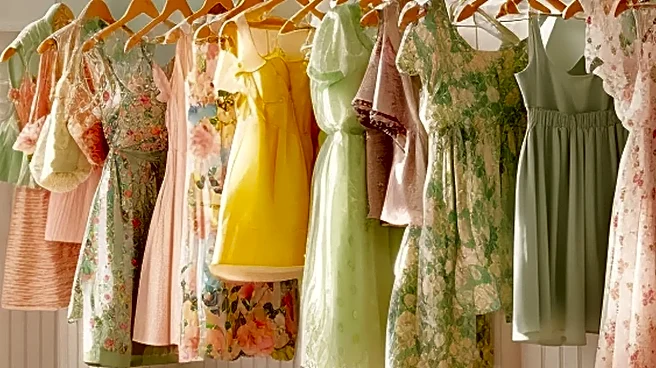
Don’t just dump everything on a bed. Treat your space like a pop-up boutique to make browsing easier and more enjoyable. Borrow or use a portable clothing rack for dresses and jackets, and use tables or cleared surfaces for folded items like sweaters and pants. Create clearly marked 'zones' for different categories: tops, bottoms, dresses, and accessories. This organization prevents a frantic treasure hunt and allows guests to navigate the collection efficiently. Having a few full-length mirrors and a designated changing area—even if it's just a bathroom—is also crucial.
4. Institute Phased 'Shopping' Rounds
Instead of letting everyone descend on the clothes at once, structure the 'shopping' in timed rounds. This prevents crowding and gives everyone a fair first look. A good system is to divide guests into small groups by drawing numbers. Group one gets to browse and select one item for a set period, like 8-10 minutes. Then, group two takes its turn, and so on. After every group has chosen one item, you can start a second round. This methodical approach ensures the most coveted pieces aren't all snatched up in the first 60 seconds by the quickest person in the room.
5. Make a Clear Plan for Leftovers
Inevitably, there will be clothes left at the end. Decide on the plan for these items before the party and include it in the invitation. The easiest and most common solution is to donate everything to a local charity. Having a designated charity in mind (like Dress for Success or a local women's shelter) adds a feel-good, community-minded element to your event. Announcing the plan upfront manages expectations and saves you from having to ask each person if they want their unclaimed items back, which can be awkward and leave you with bags of clothes in your living room for weeks.
6. Encourage an Abundance Mindset
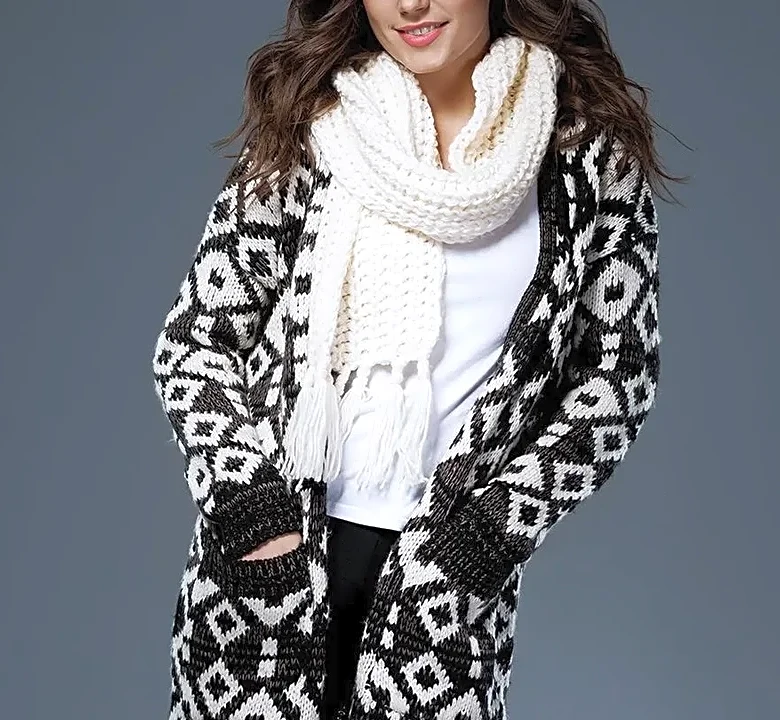
While rules create fairness, the overall vibe should be generous and fun, not competitive. Frame the event around sharing and community. Encourage people to tell stories about the items they brought or to offer styling advice to others. Including accessories like jewelry, scarves, and bags is a great way to ensure there's something for everyone, regardless of clothing size. The goal is for everyone to leave feeling good about the experience, whether they found a whole new outfit or simply enjoyed the company.
7. Set the Scene for Socializing
Remember, it's a party, not just a transaction. Create a welcoming atmosphere with music and some light snacks and drinks. It's also helpful to have the first 30 minutes be a social-only period where guests can mingle while you and a helper organize the incoming clothes onto the racks and tables. This prevents a bottleneck at the door, builds excitement, and lets guests connect before the swapping begins. A relaxed, social environment turns a simple exchange into a memorable event people will want to attend again.