



The Golden Goose: Defining TV Rights
At its core, a television right is a simple concept: it's the exclusive permission a broadcaster buys to show live games to its audience. But for an event like the FIFA World Cup, it’s anything but simple. FIFA, soccer’s global governing body, doesn't
just sell the right to show the final match. It slices and dices these permissions into a complex menu of options. A broadcaster isn't just buying games; they're buying a territory (like the United States), a language (like Spanish-language rights within the U.S.), and a platform (like traditional TV, streaming, mobile, or even radio). This unbundling is the first key to maximizing revenue. Instead of one big sale, FIFA can make hundreds of individual sales, each tailored to a specific market and media landscape.
FIFA’s Global Auction House
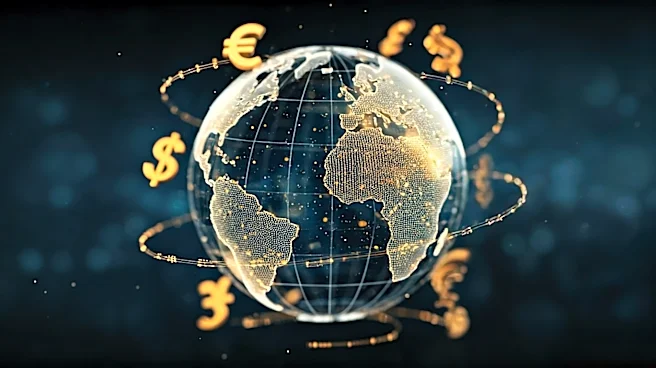
FIFA’s masterstroke is treating the entire planet as a single, integrated marketplace. Years before a ball is kicked, FIFA’s commercial team runs a sophisticated, high-stakes auction. They package the rights for different regions and invite broadcasters to bid. In powerhouse markets with multiple competing networks—like the U.S. (Fox and Telemundo), the UK (BBC and ITV), or Brazil (Globo)—this process sparks intense bidding wars. Each network knows that the World Cup delivers a massive, captive audience that is almost impossible to replicate. It's a four-week-long cultural event that transcends sport, pulling in casual viewers alongside die-hard fans. This predictable, colossal viewership is a goldmine for advertisers, which in turn justifies the enormous price tag for the rights themselves. For the 2022 World Cup cycle, FIFA reportedly generated over $3 billion from broadcasting rights alone, representing the largest slice of its revenue pie.
The Logic of the Billion-Dollar Bid
Why would a network spend hundreds of millions—or in the case of long-term deals, billions—on a month-long tournament? The answer lies in both prestige and pragmatism. Owning the World Cup rights establishes a broadcaster as a dominant player in sports media. It’s a crown jewel asset that can be used to promote the network's other shows, launch new streaming services, and lock in astronomical advertising rates. The games provide dozens of hours of premium content that fill schedules and draw eyeballs away from competitors. For networks like Fox in the U.S., securing the World Cup was a strategic move to cement their status as a major soccer destination, building an audience they can then retain for other leagues and tournaments they broadcast. The fear of a rival network gaining that advantage is a powerful motivator that drives prices ever higher.
Where Does All the Money Go?
Once FIFA collects these billions, the money flows back into the soccer ecosystem, creating a self-perpetuating cycle. A significant portion is used to cover the massive operational costs of staging the tournament itself, from stadium logistics to security. Another huge chunk is distributed as prize money to the participating national federations. The winner of the 2022 World Cup, Argentina, received $42 million in prize money, with every participating team receiving millions just for qualifying. Beyond the tournament, FIFA uses the revenue to fund its global development programs, providing financial support to its 211 member associations around the world. This system, known as the FIFA Forward Programme, helps fund infrastructure, youth leagues, and coaching in countries that lack major domestic revenue streams. In essence, the high-stakes bidding war in a London boardroom helps pay for a new soccer field in a developing nation.