



A Tale of Two Textures
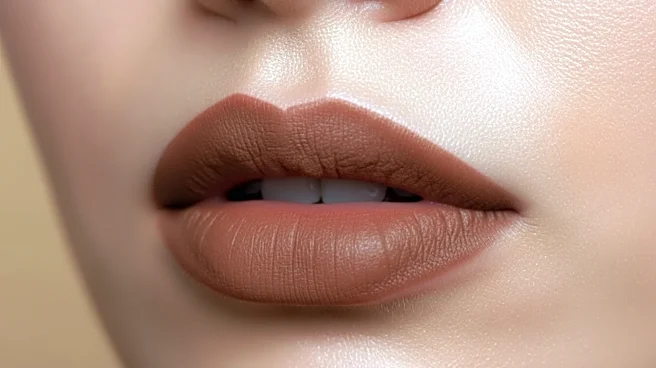
The latest Haute Couture shows in Paris have become a laboratory for unexpected beauty pairings. While fantastical garments floated down the runway, a specific makeup statement captured the attention of editors and artists: the combination of sharp, '90s-esque
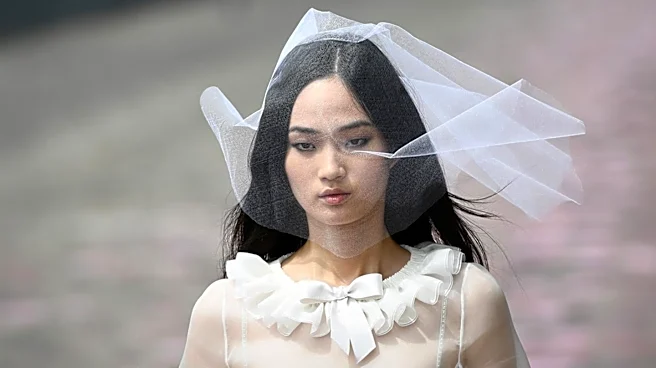
brown lip liner and luminous, perfected skin. At houses known for pushing boundaries, models sported a look that felt both nostalgic and new. The lips were sculpted and intentionally defined, a stark contrast to years of blurred, soft-focus pouts. Paired with this was not the expected grunge-era matte face, but skin with a high-shine, otherworldly glow reminiscent of fine porcelain. As seen at shows like Schiaparelli and Dior, the emphasis was on luminous, natural-looking skin, albeit perfected to an almost surreal degree. This deliberate contrast—the street-style edge of brown liner against the classical ideal of flawless skin—is what makes the trend so compelling.
The Liner's Loaded History
To understand the return of brown lip liner, you have to look back to its origins. In the '80s and '90s, it wasn't a trend for Black and Latina women; it was a solution. Mainstream beauty brands largely failed to create lipsticks and liners that complemented deeper skin tones. In an act of ingenuity, women of color turned to brown eyebrow pencils and eyeliners to define their lips, creating a signature look born from necessity. Icons like Mary J. Blige, Naomi Campbell, and Janet Jackson made the look iconic, transforming a beauty industry oversight into a powerful statement of style and identity. Its recent resurgence, sometimes controversially rebranded by influencers, often strips this crucial context away. The modern take, as makeup artist Pat McGrath recently noted with her new Louis Vuitton lip crayon collection, is about precision as an art form, but its roots remain firmly planted in a culture of creativity and resilience.
Decoding 'Porcelain Skin'
The term "porcelain skin" is also layered with historical weight, often tied to a narrow, Eurocentric standard of beauty. However, the 2026 interpretation appears less about a specific skin tone and more about a revolutionary skin finish. The look is characterized by a complexion so smooth, clear, and luminous it appears to be made of glass. This trend gained massive visibility thanks to makeup artist Pat McGrath's viral work for the Maison Margiela Artisanal 2024 show, where models' faces were coated in a hyper-shiny glaze that mimicked the reflective quality of glass. The effect was doll-like and surreal. Unlike the dewy, natural look of "glass skin" popularized by K-beauty, this couture version is more about an artistic, high-concept finish—a flawless canvas that allows other features, like a bold lip, to stand out with even greater intensity.
A Modern Contradiction
So, why pair these two elements now? On the surface, they seem to be in opposition. Brown lip liner is a symbol of street-style innovation, born from marginalized communities making their own beauty standards. Porcelain skin, in its historical context, is the epitome of a classical, often exclusive, ideal. Bringing them together on the couture runway creates a fascinating dialogue. It could be seen as high fashion finally acknowledging and incorporating the cultural significance of a look it once ignored. In this new iteration, the sharp, defined line of the '90s is often softened and blended, paired with creamy glosses for a more modern, less severe finish. This juxtaposition suggests a new kind of beauty ideal: one that embraces both the polished perfection of high fashion and the undeniable influence of cultural history. It's a look that is simultaneously edgy and elegant, historic and forward-looking.