






Curation Over Commerce
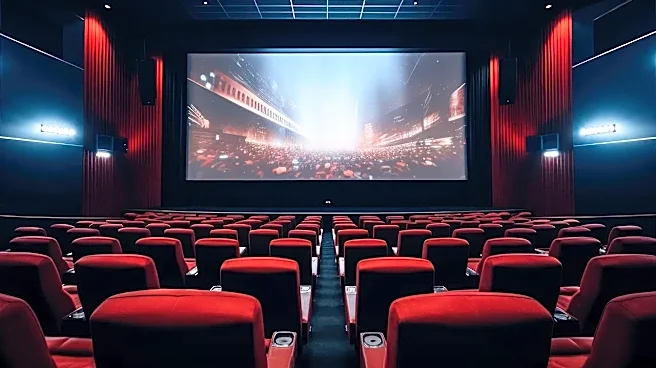
The fundamental difference between a multiplex and a film festival lies in their organizing principle. A multiplex is a retail space. Its goal is to maximize ticket and concession sales by minimizing risk. This means programming films with the broadest
possible appeal, backed by massive marketing budgets that create pre-sold familiarity. They are beholden to the predictable economics of blockbusters. The BFI London Film Festival, by contrast, operates on a principle of curation. Its brand is the main attraction, not any single film. The festival's programmers act as trusted guides, selecting hundreds of films from dozens of countries, many of which are world or European premieres. This year's 70th edition, for instance, features 251 works from 88 countries. The audience isn't buying a specific, heavily marketed product; they're buying into the festival's taste and its promise of discovery.
The Thrill of the Treasure Hunt
The psychology of the moviegoer is entirely different in each setting. At a multiplex, the viewer is a consumer choosing from a limited set of known quantities. At a film festival, the viewer is an explorer on a treasure hunt. The reward isn't just seeing a good movie, but the cultural capital that comes with discovering it before anyone else. This environment fosters a sense of adventure. The BFI even organizes its program into thematic strands like 'Dare,' 'Thrill,' 'Cult,' and 'Experimenta' to encourage audiences to venture out of their comfort zones. It reframes risk not as a potential waste of money but as the entire point of the experience. Seeing a film without the weight of a billion-dollar marketing campaign or Rotten Tomatoes score allows for a purer, more personal reaction.
The Power of Context and Community
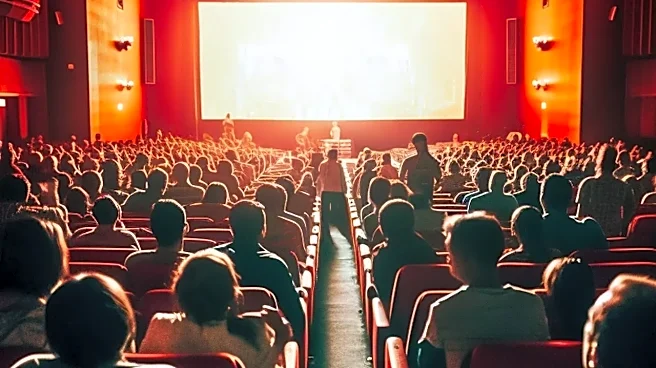
A film at a multiplex exists in a vacuum. You watch it, you leave. A film at a festival is an event. It's often accompanied by an introduction from the director, a post-screening Q&A, or panel discussions with the creative team. This context enriches the viewing experience, making challenging or unconventional narratives more accessible and rewarding. You're not just watching a movie; you're engaging in a conversation about it with its creators and fellow enthusiasts. This communal aspect is a powerful force. It transforms a solitary act of consumption into a shared cultural experience, where even a difficult or ambiguous film becomes a point of connection and debate rather than a disappointment. It's the difference between eating a meal alone and attending a dinner party.
An Audience Seeking Discovery, Not Reassurance
Ultimately, the two venues attract and cultivate different mindsets. The multiplex audience, conditioned by a risk-averse industry, often seeks reassurance: a familiar star, a beloved franchise, a story that follows predictable beats. The film festival audience, on the other hand, arrives seeking discovery. They are, by self-selection, more open to films from unknown directors, stories from different cultures, and experimental forms of storytelling. The BFI actively cultivates this, aiming to challenge perceptions and introduce new voices. While a multiplex offers a menu where every dish is a variation of something you've had before, a film festival presents a buffet of entirely new cuisines, trusting that its patrons came because they were hungry for something different.